Maison Law can help you through the claims process if you’ve been injured at Trinity National Forest.
Most people want calm and serenity when they visit Trinity National Forest, but that all goes away when there’s an accident. Suddenly, you’re faced with pain, confusion, and uncertainty. That’s where having someone to guide you through the aftermath can make all the difference.
Our team can help you understand your options and get through the next steps so you can focus on getting better. Set up a free consultation today to learn more.
Do I Need a Lawyer?
Trinity National Forest is beautiful, but an accident there is layered. There’s a mix of private property, areas run by the federal government, and everyday risks. But no matter what kind of accident you’re in, you have options.
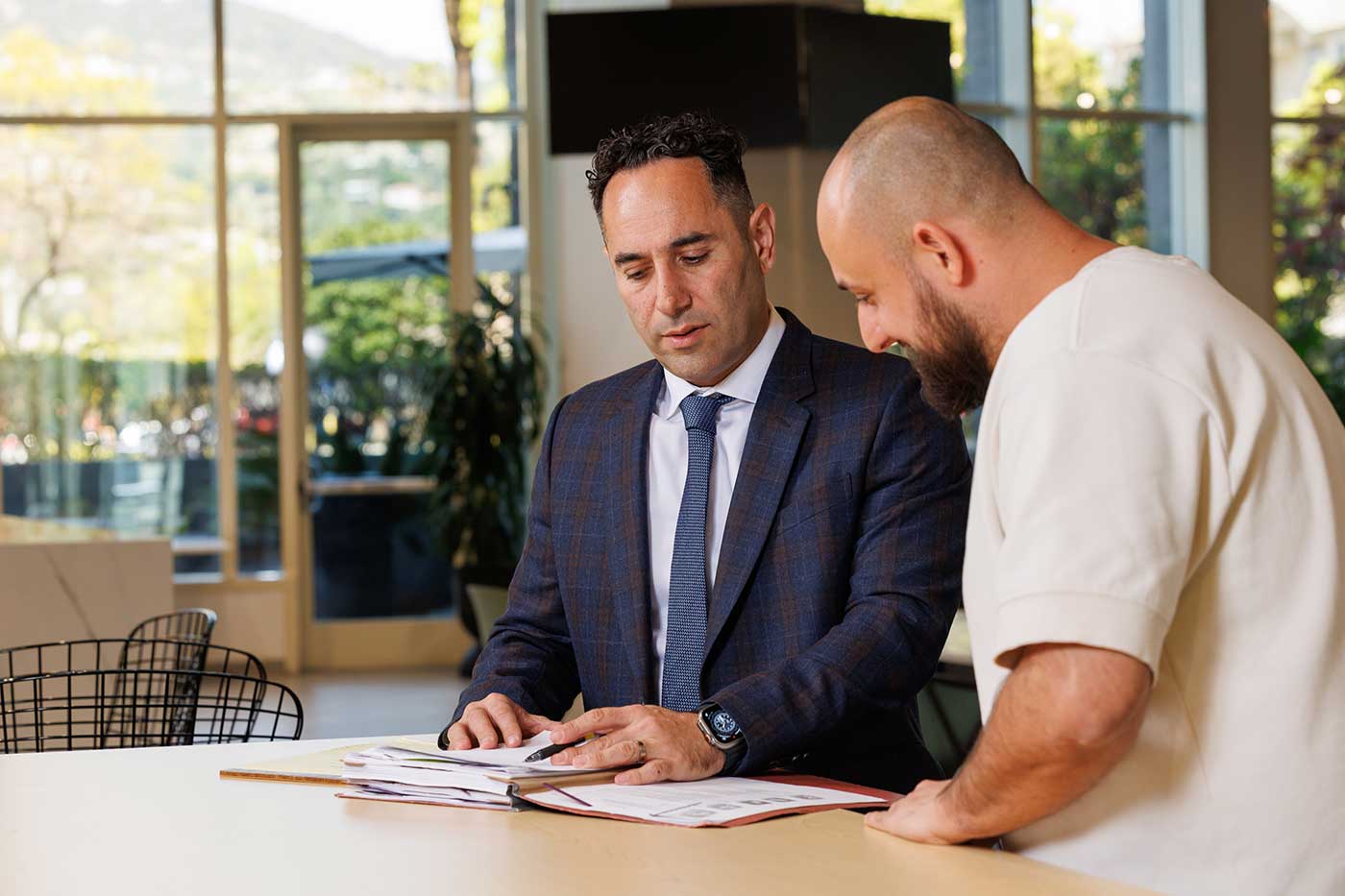
At the same time, you might not necessarily need a lawyer right away. If your injuries are minor, you can probably handle things on your own. But again, accidents in the forest aren’t clear-cut, and that’s where a lawyer helps. Our team can help you by:
- Looking into exactly what happened and why, including environmental conditions and any prior reports of hazards.
- Figuring out who might be legally responsible, whether it’s a government agency, a private company, or another visitor.
- Getting necessary records and evidence, from ranger logs to maintenance reports.
- Handling all the talks with insurance companies, contractors, and agencies on your behalf.
- Preparing for court if necessary, so you’re ready for every scenario.
No matter what the circumstances are, our goal is always the same: to give you clarity, guidance, and support during a stressful time. It’s hard to get your bearings in one of these situations, but a good starting point is the information you can get right after the accident.
What Types of Information Can Help My Injury Claim
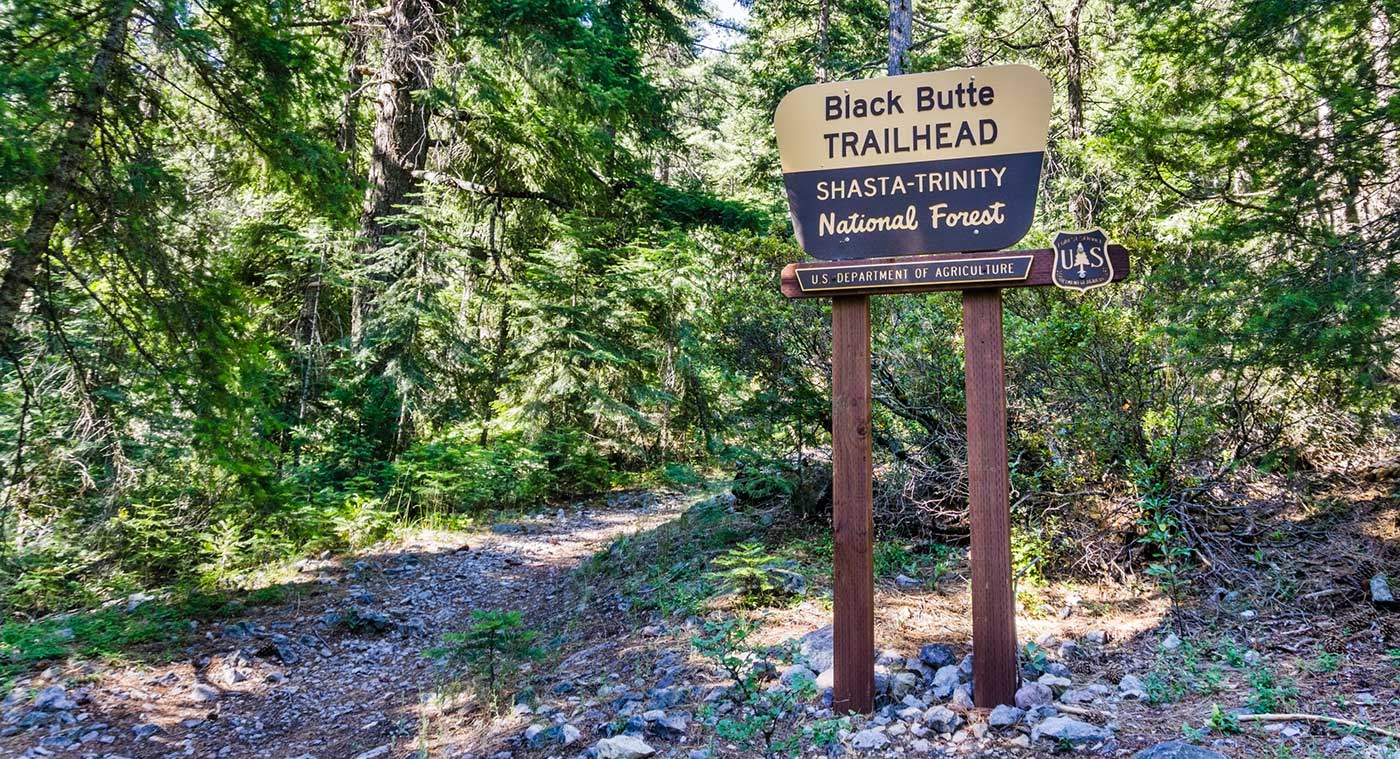
Getting hurt in an accident in Trinity National Forest is pretty scary. All of the confusion that comes with an accident is seemingly amplified here. But the information you can get ahold of—or have others get ahold of—can make all the difference in building a strong claim. Some helpful information includes:
- Accident reports from rangers, sheriffs, or the CHP confirming when and where the accident happened. These reports can also include witness statements and notes on environmental conditions.
- Medical records that document your injuries and the care you received. Even small details about treatment or follow-up appointments can strengthen a claim.
- Pictures and videos of the accident scene, vehicles, trails, campsites, or equipment involved. Lighting, angles, and even surrounding signage can be relevant.
- Witness information, including names and contact details of anyone who saw the accident or its immediate aftermath.
Even if you couldn’t get everything at the time, we can help track down ranger logs, maintenance records, and emergency dispatch reports to rebuild what happened. And once everything is gathered, we put it all together to form the foundation of your claim. But it’s all dependent on the circumstances and answering a key question: what happened and who’s responsible?
What Kinds of Accidents Could Happen to Me at Trinity National Forest?
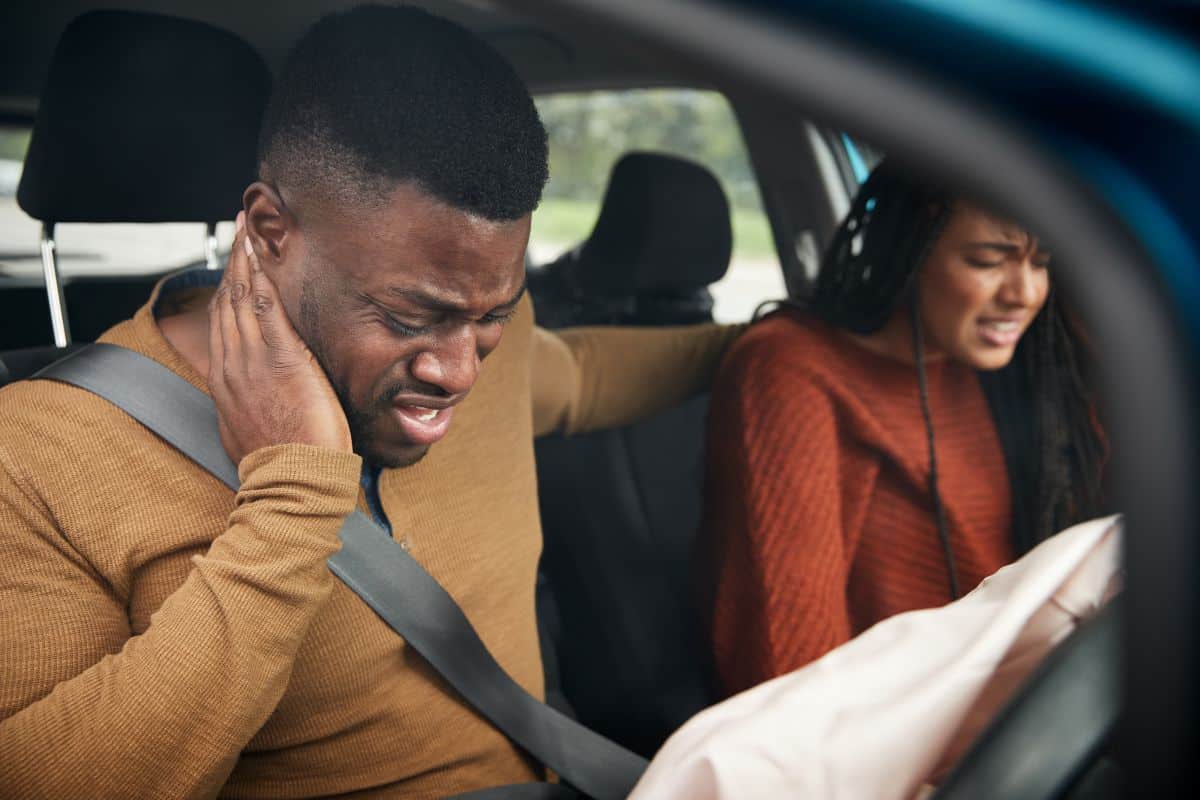
Accidents in Trinity National Forest can take many forms—some you might expect, others you might not. Just like in a city, you can get hurt in a car or truck accident, slip while walking, or be bitten by a dog. But the forest adds its own unique risks: winding roads, narrow trails, lakes, rivers, and campgrounds all bring hazards you wouldn’t encounter in an urban environment. A few examples of what can happen:
- Car, truck, or motorcycle accidents. The forest has long stretches of curvy roads like Highway 299 and shady backroads where visibility can be limited. Slippery surfaces, wildlife crossings, and blind curves make accidents more likely, even for experienced drivers.
- Bicycle accidents. Whether on a paved forest road or a mountain trail, cyclists face steep descents, loose gravel, and sharp turns. One small mistake can lead to serious injuries.
- Pedestrian accidents. Hiking trails, trailheads, and forest campgrounds may have uneven ground, muddy paths, or slippery rocks. A misstep can easily lead to sprains, broken bones, or worse.
- Dog bites. Campgrounds and picnic areas attract families with pets. Even well-behaved dogs can bite if startled, scared, or improperly restrained.
- Accidents involving children. Kids are naturally curious, but that can lead to falls from playground structures, slips near streams, or accidents while exploring trails.
- Drowning accidents. Trinity Lake, rivers, and streams are popular for swimming, boating, and fishing. Drowning or boating accidents are a real risk, even for strong swimmers.
No matter what type of accident happens, the next step is usually the same: gathering the right information to understand what happened and who might be responsible. Taking careful notes, collecting photos, and speaking with witnesses can make a big difference when moving forward with a claim. Even in the middle of the forest, small details can have a huge impact on resolving your case.
Who Can Be Legally Responsible For an Accident in Trinity National Forest?
Accidents in Trinity National Forest aren’t just tough because of the conditions—they’re tough because it can be extremely hard narrowing down who’s actually responsible for what happened. But ultimately, legal responsibility comes down to one thing: negligence.
That means someone didn’t take the necessary steps to keep you safe. And in an accident at Trinity National Forest, legal responsibility could fall on:
- A government agency. Overall, Trinity National Forest is overseen by the federal government, specifically the U.S. Forest Service. They’re expected to keep areas safe and warn of hazards, but they don’t always catch every problem. Other areas of the forest are managed by the state government, but their responsibility is the same.
- Private companies. Other times, the accident might happen on private land. This makes ownership or management responsible for maintaining a trail, dock, or campground. If something breaks or isn’t fixed properly, they could be partly responsible.
- Private people. Then, there’s situations where someone is being careless. If a driver backs into you in a parking lot or you’re bitten by someone’s dog, that person is probably going to be responsible for your injuries.
While it’s easy to say negligence, every situation is different. Legal responsibility often comes down to a mix of the conditions at the time, who was in charge of the area, what warnings were posted, and exactly how the accident unfolded. The key takeaway though, is that accidents in the forest are rarely simple. But once you have a general idea of who’s responsible, you can move forward to the next step: filing a claim.
What Are My Options for Filing a Claim After an Accident in Trinity National Forest?
After an accident in Trinity National Forest, you have the legal right to file a claim—but how you do it depends on who may be responsible. Accidents here often involve multiple parties, from federal agencies and state or local authorities to private companies and even other visitors. Knowing your options helps you take the right steps without getting lost in red tape.
- Federal Tort Claims Act (FTCA). If a federal agency is involved, such as the U.S. Forest Service managing a trail, campground, or lake, your claim falls under the Federal Tort Claims Act (FTCA). With this style of claim, you need to:
- File Standard Form 95, describing what happened, who was involved, and the injuries you’re facing.
- The agency has roughly six months to respond, either approving, denying, or offering a settlement. If your claim is denied—or if the settlement doesn’t cover your losses—you can file a lawsuit in federal court to get damages.
- California Tort Claims Act (CTCA). If a state or local agency is involved, like a county-maintained campground or city-managed trail, the claim falls under the California Tort Claims Act (CTCA). Here, you have to:
- File a notice of claim within six months of your injury, and typically your damages need to exceed $10,000.
- After that, the agency has 45 days to either accept or deny the claim, much like the federal process.
- Private claims. For accidents where a singular person or private company is involved, the process is similar to a standard personal injury claim, where you file:
- An insurance claim out of court.
- A personal injury lawsuit.
This covers things like slips on privately maintained docks, injuries from rented boats or bikes, or accidents caused by someone else’s negligence. Once your claim is filed, the goal is to recover your damages, which usually include:
- Current and future medical expenses
- Lost wages or potential future earnings
- Repair or replacement of damaged property
- Pain and suffering and emotional distress
- Reduced quality of life
- Funeral and related expenses in fatal accidents
When a private person or company is responsible for your accident, you have a bit more time to actually file your claim—two years from the date of the injury. But things can still change quickly, and it’s best to start getting things together as soon as you can. One way or the other, our team will be there to help you.
What Our Clients Say


Frequently Asked Questions
Possibly. Just because it’s public land doesn’t mean no one’s responsible. If a hazard should’ve been fixed or warned about, it’s worth looking into.
Often, yes. Injuries on federal land can come with shorter, stricter deadlines. Waiting too long can shut things down before they really start.
You probably won’t know that right away—and that’s okay. Our team can help you gather records, incident reports, and other evidence that shows who’s responsible.
Maison Law Can Help You Move Forward After an Injury in Trinity National Forest
People come to Trinity National Forest to unplug, explore, and enjoy the outdoors—not to leave with injuries, medical bills, and a bunch of unanswered questions.
If your time in the forest took an unexpected turn, you don’t have to sort everything out on your own. Our California personal injury lawyers at Maison Law can help you understand what happened, who may be responsible, and what your next steps actually look like. Set up a free consultation today.