Maison Law can guide you through the claims process if you’re hurt in a truck accident near Trinity National Forest. Trinity National Forest covers a huge swath of Northern California, and that means a lot of trucking routes cut right through it. And just like anywhere else, an accident can be extremely serious. We can help you through the aftermath. Set up a free consultation today.
Why Would I Need a Lawyer?
Even if you’re in a truck accident near Trinity National Forest, it doesn’t change your rights. But it does change how things work. So, while you don’t have to get a lawyer, our team can make things much easier for you by:
- Explaining your rights and options in plain language
- Looking into what actually caused the accident
- Finding all potentially responsible people or groups of people
- Gathering evidence like driver logs, maintenance records, and accident reports
- Dealing with insurance companies and agencies so you don’t have to
Even if you’re unsure whether you want to file a claim, getting reliable information early can help you avoid missteps and preserve your options.
What Information Helps After a Truck Accident in Trinity National Forest?
Being in a truck accident is never ideal, and rarely happens in a convenient place. So when one happens in a desolate place like Trinity National Forest, it’s even more troubling. Still, once things calm down, certain pieces of information can be extremely helpful to you later on:
- Note the location. Trinity National Forest is huge, so try to record the road, mile marker, bridge, campground, or trailhead—small details make a big difference in figuring out who’s responsible.
- Photos or videos of the vehicles, road conditions, weather, and hazards like debris or missing signs can tell the story better than reports sometimes do.
- Bystanders are rare in remote areas, so anyone who saw the accident can be invaluable.
- Keep official reports. Whether it’s CHP, a county sheriff, or a Forest Service ranger, make sure an accident report exists and get a copy.
- Save medical records. Every visit, prescription, and follow-up helps show the real impact of the accident.
Your first focus should always be on your health, so get medical care for your injuries and report the accident. Much of this information can be gathered later, but once a trucking company is involved, things are going to change quickly—even if they’re not fully responsible.
Who’s Legally Responsible For a Truck Accident Near Trinity National Forest?
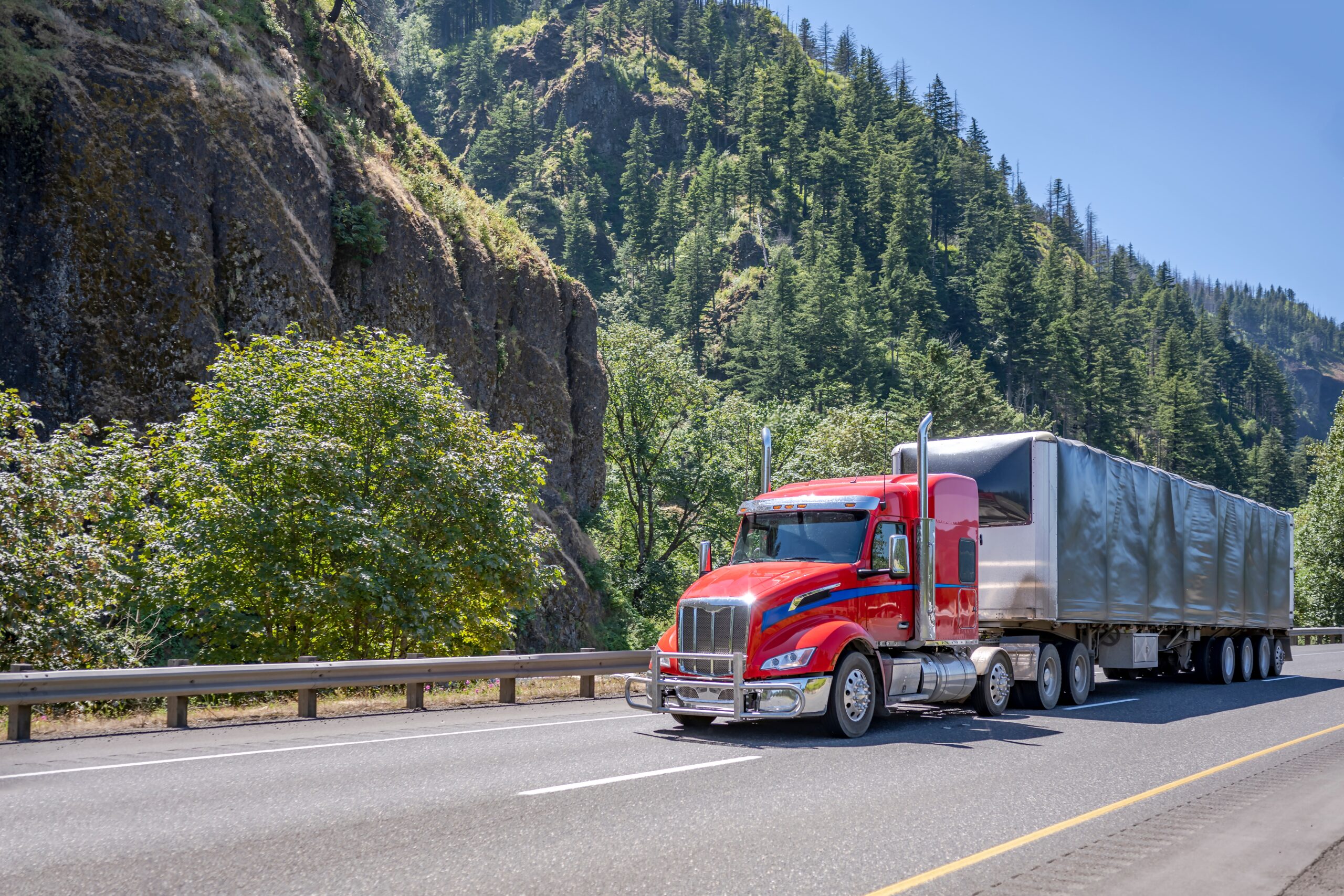
One of the most confusing parts of a truck accident is realizing it’s rarely about just one mistake by one person. In Trinity National Forest particularly, trucks are often hauling logging materials, construction equipment, fuel, or supplies through steep and winding terrain. When something goes wrong, responsibility could fall on a number of different people:
- The truck driver may be responsible if they were speeding, distracted, overly tired, or simply not prepared for steep grades and tight mountain roads
- The trucking company could be at fault if it cut corners on maintenance, ignored safety rules, or pressured drivers to meet unrealistic delivery deadlines
- Cargo loaders may share the blame when a load wasn’t balanced or secured properly and shifted while the truck was moving.
- Maintenance providers can be responsible if brakes, tires, or steering issues were missed or brushed off during inspections or repairs.
- Parts manufacturers may be involved if a truck part failed when it shouldn’t have and caused the driver to lose control.
- Government agencies can also be on the hook if the road itself was unsafe—because of poor design, missing warning signs, or maintenance that should have been done but wasn’t.
What makes this difficult is that—most of the time—this legal responsibility is going to overlap between the truck driver, company, and others. And when the government is involved, it changes the claims process.
How Does the Claims Process Work With a Truck Accident Near Trinity National Forest?
Your rights don’t change when you’re in a truck accident near Trinity National Forest—but the process can. Basically, you still have a right to file an injury claim when negligence results in your injuries. It’s just how you decide to do that:
- Filing an insurance claim. This is where most private truck accident cases start. You can file an insurance claim outside of court against the driver, trucking company, or any other private group.
- Filing a lawsuit. If talks with the insurance company stall—or their offer doesn’t come close to reflecting what the accident actually cost you—filing a lawsuit may be the next step. Lawsuits take more time, but they allow for a closer look at what really happened and often push the other side to take your claim more seriously.
- Claims involving government agencies. Things work a little differently when a public road or government vehicle is part of the picture. These cases follow special rules and much shorter timelines:
- Federal Tort Claims Act (FTCA). Under the FTCA, you must first file a formal claim with the federal agency involved—often the U.S. Forest Service—using a Standard Form 95 that explains what happened, where it happened, why the government is responsible, and how you were harmed. You have two years from the date of the accident to do this.
- Federal Tort Claims Act (FTCA). Under the FTCA, you must first file a formal claim with the federal agency involved—often the U.S. Forest Service—using a Standard Form 95 that explains what happened, where it happened, why the government is responsible, and how you were harmed. You have two years from the date of the accident to do this.
The agency then has up to six months to investigate and decide whether to deny the claim, ask for more information, or offer a settlement, and you generally can’t take the case to court until that review period ends.
- California Tort Claims Act (CTCA). This applies to state or county agencies and also comes with strict requirements:
- You have to file a Notice of Claim within six months of the accident.
- Your damages have to be over $10,000.
- The government has 45 days to respond.
No matter what option you go with, the goal is getting “damages” that include things like:
- Medical care and future treatment
- Lost income
- Vehicle and property damage
- Physical pain and emotional distress
- Long-term limitations or loss of enjoyment of life
- Wrongful death expenses in fatal cases
One way or the other, timing is important. Acting quickly can make sure your rights are protected, and it’s also important for getting timely evidence. But again, it’s all about location.
Where Do Truck Accidents Happen Near Trinity National Forest?
The roads around Trinity National Forest weren’t designed with heavy commercial traffic in mind. While they’re scenic, they can be unforgiving—especially when large trucks are added to the mix.
- Highway 299. This is one of the main routes through the area and one of the most common places for serious truck accidents. The highway is full of tight curves, elevation changes, and narrow shoulders.
- Forest Service roads. Many trucks use these roads for logging, maintenance, or supply runs.
- Mountain passes and higher elevations. Fog, ice, snow, and fallen debris are common here—sometimes without much warning.
- Campground and trailhead access roads. These areas mix large trucks with pedestrians, bike riders, RVs, and passenger vehicles. The same is true with the rec areas and parking lots.
Even experienced truck drivers can struggle in these conditions. And when something goes wrong, it can quickly lead to an accident. You still have options, but it’s key to start as soon as you can.
Frequently Asked Questions
How long do I have to file a claim?
It depends. You have up to two years to file an injury claim against a private truck driver or company, but sometimes as little as six months if the state government is involved.
What if I don’t know who’s responsible?
That’s likely—especially early on. You should focus on getting pictures/videos and medical help at the scene. From there, our team can help you narrow down who’s at-fault.
Can I be held partially responsible?
Potentially. California uses “comparative negligence”, which means any fault that’s placed on you will reduce your damages. You can still file a claim, though.
Talk With Maison Law About a Truck Accident Near Trinity National Forest
At Maison Law, we want to help you understand your options after truck accidents in and around Trinity National Forest. We know the roads, the common risks, and the unique challenges that come with accidents involving commercial trucks and government land.
If you’ve been hurt and want guidance about your next steps, we’re here to walk you through your options—reach out today to set up a free consultation.
