Maison Law can help you or your family when there’s a drowning accident near Trinity National Forest. A day at Trinity Lake or some other water source is meant to be relaxing and fun. But unfortunately, just like anywhere else, something could go wrong. And when it does, a drowning or near-drowning might not be far away. Our team can guide you through a claim. Set up a free consultation today.
Do I Need a Lawyer After a Drowning or Near-Drowning?
Drowning and near-drowning incidents are terrifying. Even when someone survives, the aftermath can include serious injuries, long hospital stays, and emotional trauma that lingers long after the water is gone. Even still, you’re not required to get a lawyer. But in this situation particularly, you’ll probably need one to help you cut through all the noise. Our team will:
- Explain your options in clear, straightforward language
- Look into what happened and gather key evidence
- Figure out who may be legally responsible
- Handle talks with insurance companies or government agencies
You and your family can focus on healing and getting through the day-to-day. We take care of the paperwork, deadlines, and back-and-forth that tends to pile up after a serious water accident. And one of the most helpful things early on is understanding what information matters most.
What Information Helps With a Drowning Accident Claim in Trinity National Forest?
If you’ve lived through a drowning or near-drowning, you know how quickly everything changes. Your focus is on survival—calling for help, getting medical care, and making sure your child or loved one is okay. Once things settle, the questions start creeping in: How did this happen? Was it preventable? What do we do now? If you’re able, gathering the following information can be incredibly helpful:
- Photos or videos of the location, such as the shoreline, dock, boat ramp, or swimming area where the incident occurred
- Witness contact information from anyone who saw what happened or noticed unsafe conditions
- Medical records showing injuries, treatments, and any ongoing care needs
- Accident reports from Forest Service staff, rangers, law enforcement, or campground personnel
- Physical evidence, like damaged boats, broken dock boards, or faulty life jackets
- Your own notes, including the time of day, water conditions, warning signs (or lack of them), and who was nearby
These details can feel small in the moment, but later they often become the foundation of showing what went wrong and who had a responsibility to prevent it.
Who’s Liable When There’s a Drowning in Trinity National Forest?
When people hear “drowning,” they often assume it was just a tragic accident. Sometimes that’s true. But other times, something failed—maintenance was skipped, hazards weren’t marked, or safety rules weren’t followed. In Trinity National Forest, responsibility depends heavily on where and how the incident happened.
That means liability could fall on:
- Private property owners, such as cabin or dock owners, if unsafe conditions or missing warnings played a role
- Government agencies, including the U.S. Forest Service or state and county entities, if a public swimming area, dock, or access point wasn’t reasonably safe
- Campground staff, rangers, or volunteers, if supervision was lacking or known hazards weren’t addressed
- Equipment makers, if a life jacket, boat, or other gear failed when it shouldn’t have
Even in cases involving serious injuries or loss of life, responsibility isn’t automatic. It takes investigation to understand who had a duty to manage the risk and whether that duty was ignored. In other words, “accident” doesn’t always mean “no one is at fault.”
How Does the Claims Process Work After a Drowning Accident?
As quickly as a drowning can happen, it’s hard to think about the claims process. But the reality is, your options depend largely on where it happened—and who was ultimately responsible. What’s more, when the government is involved, it speeds up the entire process. Here’s how each process works:
- Federal claim. If the drowning happened at a Forest Service–managed lake, campground, dock, or boat launch, the claim usually falls under the Federal Tort Claims Act (FTCA). This requires you to:
- File a claim directly with the federal agency (usually the USDA), typically using Standard Form 95.
- The agency then has six months to investigate and respond before a lawsuit is possible.
- State or county claim. If the area is managed by the state or a county government, the California Tort Claims Act (CTCA) applies. This is very similar to the federal process, but there a few key differences:
- You file a Notice of Claim within six months of the accident.
- Damages have to exceed $10,000.
- The government has 45 days to respond.
- Private claim. If the drowning happened at a private dock, rental cabin, marina, or resort area, the case usually follows standard personal injury rules through insurance or a personal injury lawsuit.
No matter what option you go with, damages are available. They can include things like:
- Current and future medical expenses
- Lost income or reduced earning capacity
- Property damage or replacement
- Physical pain and emotional suffering
- Long-term impacts on quality of life
- Wrongful death expenses in fatal cases
No matter which option applies to your situation, the core issue is the same: showing how negligence led to what happened and how it’s impacting–and will continue to impact—you and your family.
Where Do Drownings Happen in Trinity National Forest?
It’s easy to look back and think, We were being careful. Most families are. But Trinity’s waterways—while beautiful—can be unpredictable, especially for kids and inexperienced swimmers. Drownings and near-drownings often happen in places like:
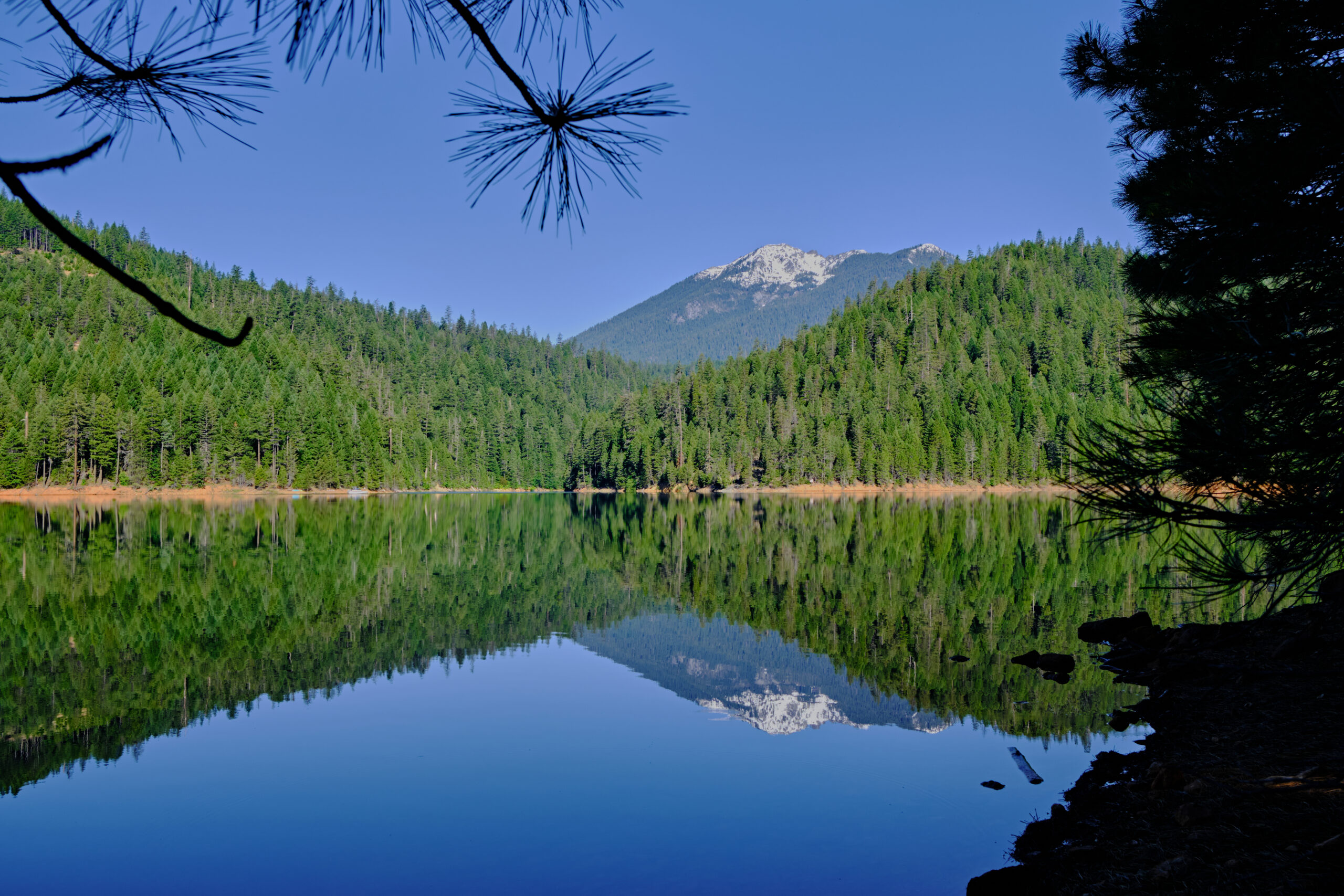
- Lakes and reservoirs. Trinity Lake and Lewiston Lake are two of the most popular, where cold water, sudden drop-offs, and boat traffic create hidden risks
- Rivers and creeks. The Trinity River and its creeks have fast currents, slippery rocks, and changing water levels that can easily overwhelm swimmers quickly
- Campgrounds near water. These have easy access, limited supervision, and a lack of warning signs that can give a false sense of safety
- Boat launches and docks. These spots have wet surfaces, missing railings, and overcrowding, All of which increases the risk of falls into deep water
- Remote swimming holes can feel peaceful, but are also dangerous when help is far away
Even when everything looks calm, water conditions can change in seconds. When something goes wrong, the impact can last a lifetime.
Frequently Asked Questions
How do I know if I have a claim?
If unsafe conditions, missing warnings, broken equipment, or lack of supervision played a role, there may be grounds for a claim. We can help determine whether state or federal rules apply.
What should I do right after a drowning or near-drowning?
Call 911 immediately and alert nearby rangers. Once everyone is safe, take photos of the area, note any missing safety features, and get contact information from witnesses.
What if I don’t know what caused the drowning?
That’s okay. It can be difficult to pinpoint how a drowning or near-drowning happens. It sometimes takes careful investigation, but our team can help you through everything.
Get Help After a Drowning Accident in Trinity National Forest
A drowning or near-drowning in Trinity National Forest is more than an accident—it’s a moment that changes everything. One minute you’re enjoying the water, and the next you’re facing fear, uncertainty, and questions no family expects to answer.
At Maison Law, we understand how overwhelming this time can be. We’re here to help you make sense of what happened, explain your options, and support your family every step of the way. Reach out for a free consultation when you’re ready.
