
Maison Law can guide you through the claims process after you’ve been hurt in a bicycle accident in Livermore. It might not seem like it at first, but a bicycle accident is rarely a minor thing. All it takes is one mistake by a driver or a problem with the road to leave you seriously hurt. All of a sudden, you’re dealing with medical bills, time away from work, and questions about who’s going to pay for everything. We can answer those questions and help you. Set up a free consultation today.
Why it Makes Sense to Get a Lawyer After a Bicycle Accident
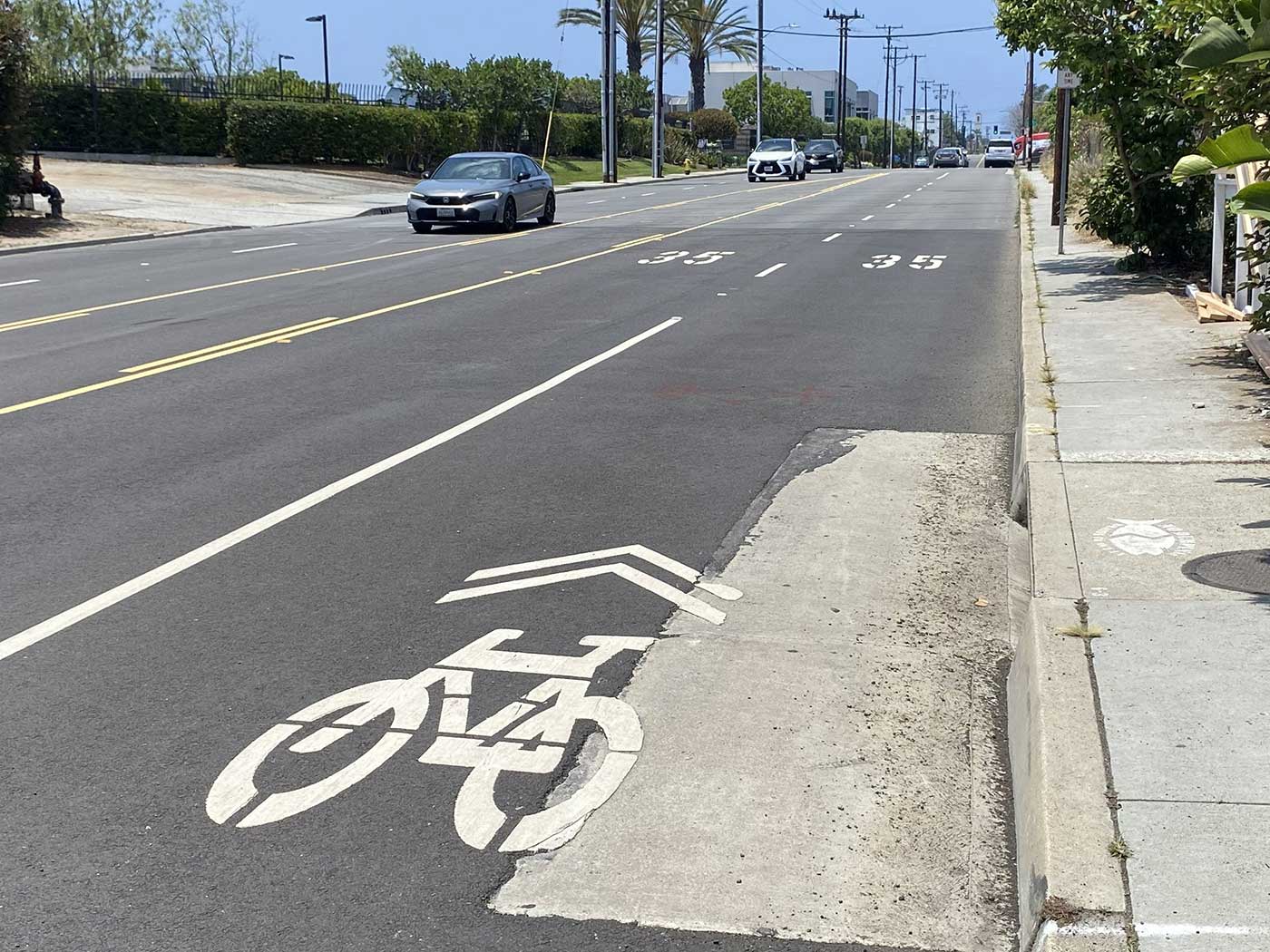
No matter how careful or experienced you are on your bike, an accident can happen in a split-second. You simply can’t account for what a driver is going to do when you share the road with them, and you also can’t always avoid a pothole or rough patch in a bike lane. Basically, there’s no protection in the event something goes wrong.
That’s when it makes sense to have someone on your side who can help, and that’s exactly what our bicycle accident team here at Maison Law can do by:
- Explaining your rights and helping you understand what comes next.
- Looking into what happened and figuring out who might be responsible.
- Dealing with the insurance companies so you don’t have to keep going back and forth with them yourself.
- Getting the information and evidence you need to support your claim.
After a bike accident, you’ve already got enough to worry about. You shouldn’t have to spend your recovery chasing down paperwork or trying to get an insurance company to listen to you. Focus on getting better. We’ll help you deal with the legal side of things.
What Else Helps After a Bicycle Accident?
A bike accident can leave you shaken up, in pain, and unsure what to do next. Gathering evidence probably isn’t the first thing on your mind, and that’s understandable. Still, some of this information can make a difference when it comes time to file a claim. Just remember, your health comes first. Everything else can wait while you:
- Call 911, report the accident and ask for medical help and police.
If you’re seriously hurt, don’t worry about moving around or trying to collect evidence. Let the professionals take care of you first. Then if you feel up to it, try get a few basics like:
- Pictures/videos of your bike, the vehicle involved, your injuries, road conditions, traffic signs, and anything else that might help show what happened.
- Names/contact information of any bystanders or witnesses.
- Any nearby businesses or traffic cameras that might have recorded the accident itself.
- The driver’s name, contact details, license plate number, and insurance information.
Of course, none of this is worth putting yourself at risk. If you need medical attention, get it. Let paramedics check you out and take you to the hospital if necessary. You can deal with the rest once you’re safe, which usually means keeping track of:
- Medical records and bills showing your injuries, the treatment you’ve received, and any care you still need.
- The police report documenting the accident and recording important details about what happened.
- Notes about your recovery, including how much pain you’re in, what you’re having trouble doing, and how your injuries are affecting your normal routine.
- Pay stubs and work schedules showing how much time you’ve missed from work and any income you’ve lost because of your injuries.
- Video footage from nearby businesses, traffic cameras, or other sources that might have captured the accident. We can help track this down, but don’t wait too long. Some recordings get erased or recorded over before you have a chance to get them.
Remember, while this information can help, it’s not more important than your health and safety. You might be hurt badly enough that all you can do is get medical attention and focus on recovering. That’s completely understandable. Our team can help fill in the gaps, track down evidence, and work out what happened while you focus on getting back on your feet.
Where You’ll Find Bike Lanes and Routes in Livermore
One of the nice things about biking around Livermore is that you’ve got different ways to get around, whether you’re heading through town or taking advantage of the area’s trails.
Most of the time, that means you’re using one of the city’s bike paths, lanes, or routes. According to this map provided by the city, you can see where these are found and how they’re categorized:
- Class I Shared-Use Paths give you a separate path away from most motor vehicle traffic. The Iron Horse Trail and Arroyo Mocho Trail are examples of these paths in Livermore. They’re a good option if you want to avoid riding alongside cars, but you still need to watch for pedestrians and be careful where trails cross streets or driveways.
- Class II Bike Lanes give you a designated space on the road, usually marked with painted lines. Some have extra space between cyclists and moving traffic, but you’re still close enough to cars that a driver who isn’t paying attention can cause a serious accident. You’ll find these throughout the city, with a prominent one running along East Avenue and Greenville Road.
- Class III Bike Routes are different because you’re sharing the road with drivers rather than riding in a separate lane. Signs or pavement markings may identify the route, but you’re still dealing with traffic, intersections, and drivers who don’t give you enough room. These are scattered throughout the city, but you’ll find one running along 6th Street near Rotary Park.
Obviously, different types of bike routes come with different risks. Even a painted bike lane can’t protect you from every careless driver or dangerous road condition. And when an accident happens, where you were riding can be an important part of figuring out what went wrong. It’s not the only thing that matters, though.
Who Has to Pay for My Damages After a Bicycle Accident?
It’s easy to assume the driver is automatically responsible when you’re hurt in a bicycle accident. And in many cases, that’s exactly what happens. But liability isn’t always that simple. It depends on what caused the accident and who was responsible. Depending on what happened, that could include:
- Drivers who were speeding, distracted, driving recklessly, or failed to watch for cyclists.
- City or state agencies that failed to maintain safe roads, repair dangerous potholes, or address hazards involving signs and traffic controls.
- Other cyclists or pedestrians who move into your path or create a dangerous situation without looking.
- Bike or parts manufacturers if a defective bicycle or component contributed to the accident.
Sometimes, it’s pretty clear who’s responsible. A driver who turns across a bike lane without checking for cyclists, for example, may be liable for the injuries that follow. Other accidents aren’t so straightforward, especially when more than one person or a dangerous road condition played a part.
That’s why it’s important to look at what actually happened before deciding who’s responsible. Figuring that out helps determine who you may be able to file a claim against and what insurance coverage might be available.
Ways You Can Get Financial Help After a Bicycle Accident
No two bicycle accidents are exactly alike, even though many happen for similar reasons. What matters is how the accident happened, who was responsible, and what kind of losses you’re dealing with. If someone else’s negligence leaves you injured, you may have grounds to file a personal injury claim. Most of the time, that means starting with one of two options.
- Filing an insurance claim outside of court. This is usually the starting point and works a lot faster since it’s outside of court. The problem is that it’s totally controlled by the insurance company. They get to decide how to interpret the facts and what to offer you in terms of a settlement.
- Filing a lawsuit. In the event that the insurance company won’t be fair, you can go forward with a lawsuit. It takes more time and effort, but it’s a much more impartial process. A judge and potentially a jury decide what the facts say and how much you should get in “damages” for things like:
- Medical bills and any ongoing treatment you need
- Current lost income or loss of future earning potential
- Repairs or replacement costs for your bike and damaged gear
- Pain and suffering
- Emotional distress
- The ways your injuries have changed your quality life
- Funeral and burial expenses in fatal bicycle accident cases
California generally gives you two years from the date of the accident to file a claim, but it’s usually better not to wait. The longer you wait, the more injuries heal, evidence disappears, witnesses move away, and the harder it generally becomes to answer the important questions about who has to actually pay for your damages.
Who Has to Pay for My Damages After a Bicycle Accident?
When a driver hits you while you’re riding your bike, you’d think it would be pretty clear who’s responsible. And sometimes it is, especially when you can show that the driver was:
- Distracted
- Speeding
- Under the influence
- Recklessly switching lanes
- Not yielding to you while turning or trying to get around you
But outside of those circumstances, bicycle accidents don’t always work that way. Depending on how it happened, someone other than the driver could be at fault, too.
- City or state agencies that let dangerous road conditions go unfixed, like potholes or poorly maintained bike lanes.
- Other riders or pedestrians who suddenly move into your path and cause a crash.
- Companies that made or sold the bike if a defective part causes you to lose control or leads to the accident.
The tricky part is that responsibility isn’t always limited to one person. A driver might hit you after swerving to avoid a pothole, for example, or a poorly maintained road could make an already dangerous situation worse. No matter what, though, our team can help you sort through those details and understand what options you have.
Frequently Asked Questions
What if I was hit while riding in a bike lane?
Being in a bike lane doesn’t automatically make the accident your fault. Drivers still have to watch for you and other riders, give you room, and check before turning across your path.
How much is my bicycle accident claim worth?
There’s no set formula to figure this out. It’s totally dependent on your injuries and other losses. Plus, it’s ultimately going to come down to how well you can present those things through documentation and other evidence.
Do I need to call the police after a bicycle accident?
If you’re hurt, call 911. A police report can also document the driver’s information, witness accounts, and other details that may be hard to track down later.
Talk to Our Livermore Bicycle Accident Team
Getting hurt in a bike accident can leave you with a lot to figure out, especially when you’re trying to recover at the same time. You may have medical bills piling up, time off work, and an insurance company asking questions before you even know how badly you’ve been hurt.
You don’t have to figure everything out on your own. At Maison Law, we can help you understand your options, look into what happened, and deal with the insurance company while you focus on getting better. Set up a free consultation today.
