Maison Law can help you if you’ve been injured in a skateboard accident caused by a pothole in Bakersfield. A skateboarding accident is rough enough without adding broken sidewalks, uneven pavement, or crumbling asphalt into the mix. But in Bakersfield, surface problems like these cause more injuries than most people expect—and they’re completely out of your control. If a bad stretch of pavement sent you down, we can help you sort out what comes next. Set up a free consultation today.
Do I Need to Get a Lawyer?
Skateboards aren’t just for parks and tricks anymore. People ride them through neighborhoods, along downtown streets, near schools, and around apartment complexes—sometimes because it’s quicker than walking, sometimes because it’s just how they get around.
The issue is that skateboards don’t forgive surface problems. A shallow pothole, a cracked sidewalk panel, or a patch of sinking asphalt can stop a wheel instantly. These defects rarely appear overnight. And once you get hurt, figuring out who was responsible for fixing the area—and how long the problem has existed—can get complicated fast.
This is usually the point when you need legal help. Our team at Maison Law can:
- Walk you through what your real options are, based on what actually happened.
- Look into who was responsible for maintaining the road, sidewalk, or parking area where you fell.
- Help preserve evidence early, before repairs or patchwork make it disappear.
- Handle talks with insurance companies or government agencies so you’re not stuck dealing with them yourself.
The real issue isn’t whether skateboarding has risks. It’s whether the surface you were riding on should’ve been reasonably safe in the first place. If you were injured because it wasn’t, you do have options—and those start with understanding what actually matters.
What Information Do I Need for a Skateboard Accident Caused by a Pothole?
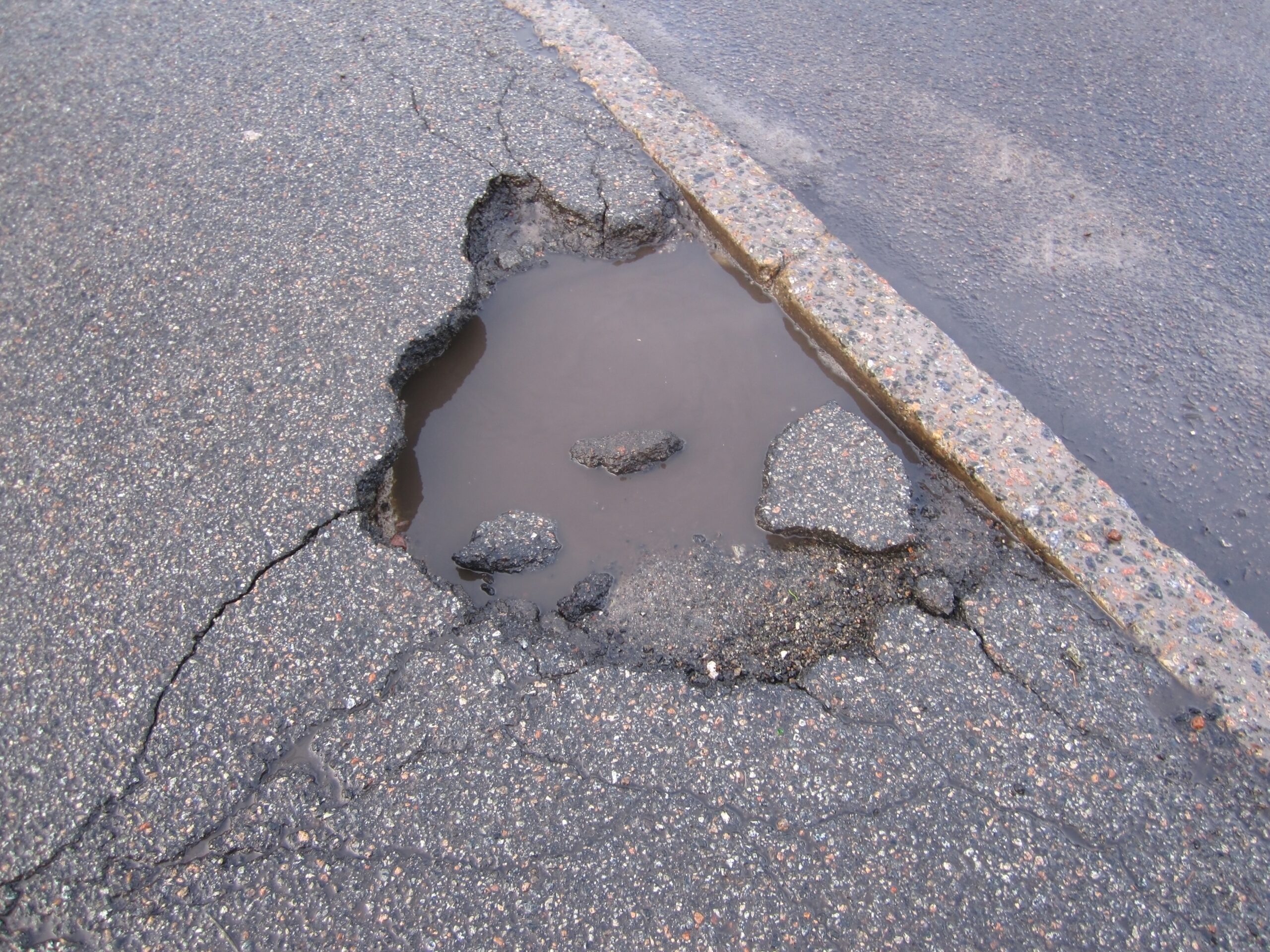
If you’re able to gather information early, it can help far more than most people realize. Surface defects have a way of disappearing once someone gets hurt. They get patched, ground down, or replaced—sometimes within days. Here’s what you should try to focus on:
- Photos and videos can be especially helpful, because they show the size, depth, and shape of the pothole or damaged pavement before it’s fixed. Wider shots that show the surrounding area, lighting conditions, and sightlines also help explain why the hazard wasn’t obvious while riding.
- Damage to your gear can also tell part of the story. A cracked deck, bent trucks, chipped wheels, or a damaged helmet can all help show how the fall happened and how hard the impact was.
- Statements from bystanders can matter more than people expect. Someone who saw the fall—or even someone who casually says the spot has been dangerous for a long time—may later help confirm that the defect wasn’t new.
- Official reports can provide a neutral account of what happened. If police, campus security, or a property manager created a report, asking for a copy can be important later on.
Once the pothole is repaired, proving that it caused your injury becomes much harder. That’s often the argument insurance companies or public agencies rely on, which is why early documentation can make a real difference.
Who’s At-Fault When a Pothole Causes a Skateboarding Accident in Bakersfield?
This is often the hardest part to sort out. In California, responsibility usually comes down to:
- Whether the person or agency in charge of the property knew—or reasonably should have known—about the dangerous condition and failed to fix it.
Depending on where the accident happened, fault may rest with:
- The City of Bakersfield, Kern County, the State of California for public sidewalks or roads
- A private property owner, or a business or property management company that controls the area.
Sidewalks, parking lots, shared paths, and building entrances don’t always have a single, obvious owner. In some situations, more than one group may be involved. Figuring this out early helps narrow down which options actually make sense and which ones don’t.
How Does the Claims Process Work for a Pothole Skateboarding Accident?
Your options for getting financial help depend almost entirely on who was responsible for the pothole itself. Here’s generally how the claims process plays out once you reach that point:
- If the pothole was on city, county, or state property, California law usually requires a government claim to be filed first. This process—through the California Tort Claims Act (CTCA), comes with strict rules, where you have to:
- File a Notice of Claim within six months.
- The government has 45 days to respond.
- Your damages have to be over $10,000.
- If the pothole was on private property—such as a shopping center, apartment complex, or business parking lot—the process is more familiar. It usually starts with:
- An insurance claim against the property owner, and if that goes nowhere, a personal injury lawsuit may be the next step.
Either way, the point is to recover “damages” that can involve:
- Medical bills and follow-up care
- Time missed from work
- Damage to your skateboard and personal belongings
- Ongoing pain or physical limitations
- Emotional distress
- Reduced quality of life
Where the pothole was located—and whether it had been a known problem—often explains why it was left unfixed in the first place.
Where Do These Accidents Happen in Bakersfield?
It might be easy to see how a skateboard accident happens with a pothole, but that doesn’t necessarily tell you where they happen. The truth is, though, these accidents usually happen in the same places over and over again:
- Older sidewalks in and around Downtown Bakersfield, especially along streets like Chester Avenue and Union Avenue, often have cracked concrete and uneven slabs that don’t get repaired quickly.
- Areas near Bakersfield College and Cal State Bakersfield see constant foot traffic, which can make worn pavement and sunken sections easy to overlook until it’s too late.
- The Kern River Parkway and nearby shared paths can develop surface issues where tree roots, erosion, or age have shifted the pavement.
- Shopping centers like Valley Plaza and surrounding retail lots frequently have broken asphalt, dips, or patched areas that don’t sit flush with the rest of the surface.
- Apartment complexes throughout Bakersfield often have older walkways and parking areas that wear down over time without regular maintenance.
- Construction zones near Highway 99 frontage roads and expanding residential areas can leave behind temporary surfaces that aren’t level or clearly marked.
- Poorly lit streets and sidewalks in quieter neighborhoods make surface defects even harder to see during early morning or evening rides.
Most of these situations have nothing to do with reckless riding. Skateboards react instantly to surface changes, and riders in Bakersfield have a reasonable expectation that sidewalks, walkways, and other commonly used areas will be kept in safe condition.
Maison Law Can Help You After a Pothole Skateboarding Accident in Bakersfield
A skateboard accident caused by a bad patch of pavement can leave you sore, frustrated, and unsure whether it’s even worth looking into. Many people don’t know where to start—or assume they don’t have any real options.
At Maison Law, we help people sort through what happened and decide what actually makes sense next. We help protect evidence, explain deadlines, and keep the process straightforward. If a pothole or broken surface caused your injury in Bakersfield, a free consultation can help you understand your options.
