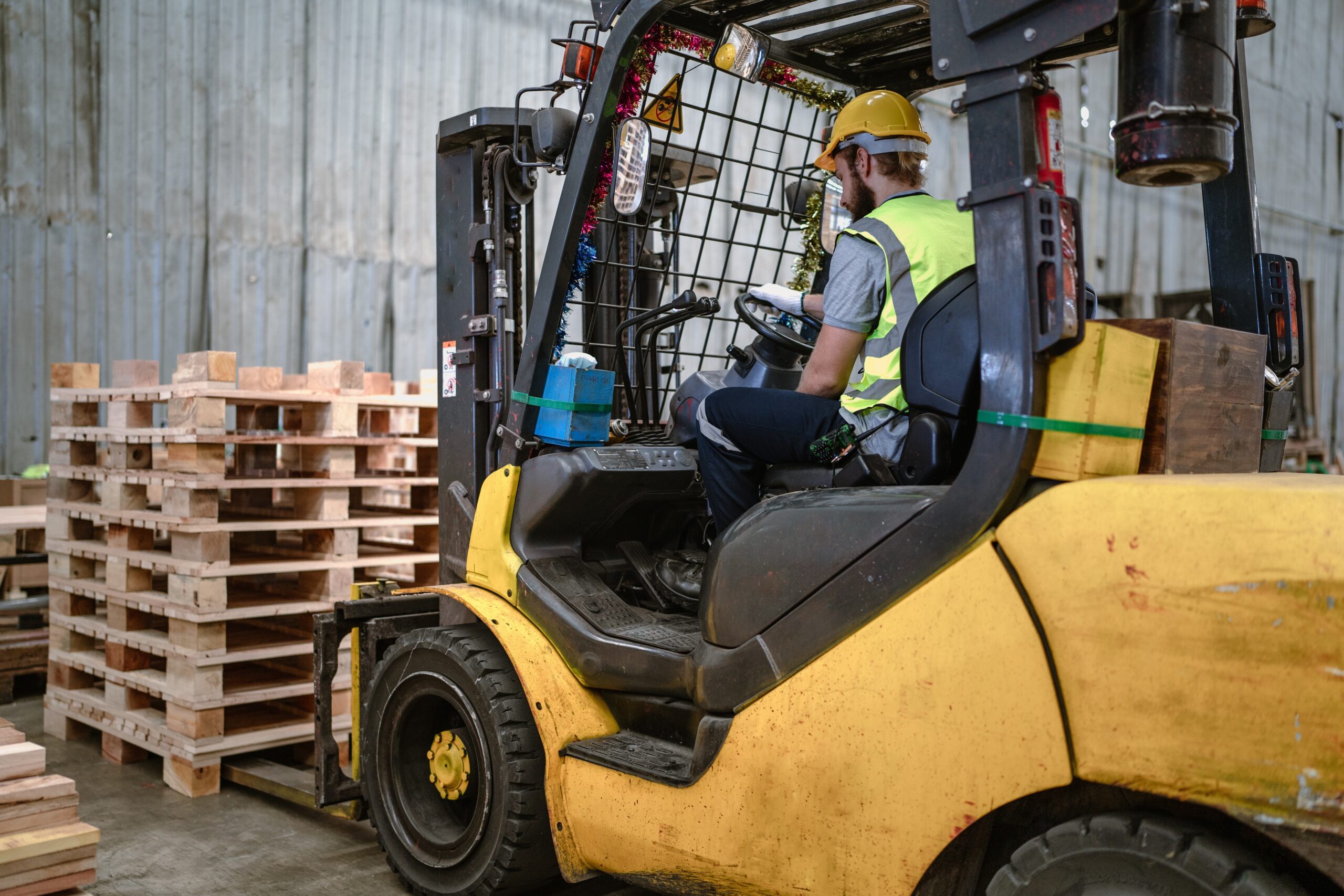
Maison Law helps workers in Livermore through the workers’ compensation claims process when they suffer a forklift injury on the job. While any worker can experience a fall or something similar, forklifts injure workers in very specific environments and situations. But no matter where or how it happens, you have options. Set up a free consultation today to talk them through with us.
Why Would I Need a Lawyer?
A lot of people try to handle workers’ comp on their own at first. And sometimes that works out. But forklift injuries tend to be more complicated than they look on the surface. There may be questions about how the equipment was being used, whether it was properly maintained, or what the work environment looked like at the time.
That’s usually when things get confusing or, worse, misleading. While you don’t need a lawyer, you also don’t want to have to face these challenges on your own—espcially when you’re also dealing with the pain and issues from your injury. Our team at Maison Law can help you by:
- Making sense of what actually happened
- Handling communication with the insurance company
- Looking at the long-term impact on your work life
- Spotting issues beyond workers’ comp, then helping you explore further options
At the end of the day, it’s about making sure the process works the way it’s supposed to—for you, not against you. But even workers’ comp carriers are worried about themselves first. Working with our team just makes things easier and keeps things moving toward a fair result.
What Benefits Can I Get If I Need to File a Workers’ Comp Claim After a Forklift Injury?
After a forklift injury, workers’ compensation is there to help cover what you need while you recover. You don’t have to prove fault—just that the injury happened while you were doing your job. With that, the actual benefits that you can get are going to be pretty much the same across the gamut of injuries. They include:
- Medical care related to your injury. This includes treatment like ER visits, doctor appointments, imaging (such as X-rays or MRIs), surgery if needed, and physical therapy as you recover.
- Temporary disability benefits while you heal. If your doctor says you can’t work for a period of time, you may receive partial wage replacement to help cover your day-to-day expenses.
- Permanent disability benefits if the injury doesn’t fully heal. If you’re left with lasting limitations, there may be ongoing benefits based on how your ability to work has changed.
- Job retraining if you can’t return to your previous role. If your injury prevents you from going back to the same kind of work, you may be eligible for support to learn new skills or transition into a different position.
These benefits are meant to create some stability during a difficult stretch. But getting them approved—and making sure they reflect what you’re actually dealing with—often depends on how well your claim is supported.
Where Forklift Injuries Happen in Livermore
Obviously, a forklift accident probably isn’t going to injure you if you work behind a desk or at an office. So that may cut down on the incidents, but that doesn’t mean they aren’t serious when they happen in one of the following workplaces:
- Warehouses and distribution centers. Tight aisles, tall shelving, and constant movement make these environments one of the most common places for forklift-related injuries.
- Retail stockrooms and loading areas. Behind the scenes, forklifts are often used in spaces that aren’t always designed for heavy equipment, especially during busy shifts.
- Manufacturing plants. Fast-paced production lines can increase the risk of collisions, tipping, or dropped loads when things get rushed.
- Construction sites. Uneven ground, shifting surfaces, and elevated loads create additional challenges when forklifts are used outdoors.
- Farms or wineries. Forklifts are often used in open areas where terrain can slope, shift, or become slippery depending on conditions.
What these environments have in common is shared space—people and equipment moving at the same time. That’s where small oversights can quickly turn into serious injuries. And although you don’t have to prove fault with a workers’ comp claim, your benefits are still going to rely on the information you can present.
What Types of Information Can Help My Claim For Benefits After a Forklift Injury?
When it comes to workers’ comp, the details matter more than most people expect. You don’t have to prove fault—but you do need to clearly show what happened and how it’s affected you.
The strongest claims are built on clear, consistent information. After a forklift injury, here’s the kind of evidence that can really help:
- Your own account of what happened. Write it down as soon as you can while it’s still fresh. Include where you were, what the forklift was doing, and how the injury occurred. Small details tend to matter more later than people expect.
- Workplace incident reports. Your employer should have an internal incident report that they make once you report the accident. Get a copy and make sure it accurately reflects what happened. If something is missing or off, it’s better to catch it early.
- Photos or video of the scene. If you’re able to safely take pictures or video with your phone, focus on the forklift, the surrounding area, and any hazards—tight aisles, uneven flooring, blocked views, or anything else that played a role in what happened.
- Equipment and maintenance records. These can show whether the forklift had prior issues or if inspections and repairs were skipped.
- Training records. Records showing whether proper forklift training was provided can become important, especially if your injuries happened because of a lack of training.
- Coworkers who saw the incident—or who understand the conditions you were working in—can help support your version of events.
- Medical records from the beginning. Early treatment records help connect your injury directly to the incident. Ongoing care shows how it continues to affect you.
- Proof of missed work. Pay stubs, schedules, or employer records can help show how the injury has impacted your ability to work and earn income.
Each piece helps tell the full story. And when everything lines up clearly, it’s much easier to keep your claim moving without unnecessary pushback. This gets you the most out of your benefits, but another way of doing that is by working with our team.
Maison Law Can Help You With a Workers’ Comp Claim After a Forklift Injury in Livermore
Forklift injuries can happen in a split-second when something goes wrong in a Livermore warehouse—or any other workplace where forklifts are used. That doesn’t make dealing with them any easier, but with our Livermore workers’ compensation lawyers at Maison Law, we can make things easier. If you’ve been injured and want help through the claims process, set up a free consultation today.
