Maison Law can help you if you’re hurt in an accident in or around Trinity National Forest. You probably don’t expect to be in a car accident there, but with so many different roads, trails, parking lots, and vehicles, it’s not as far-fetched as you might think. And while your options for filing a claim are the same, the process can be a bit different. That means it’s helpful to get guidance early, and that’s what our team can give you. Set up a free conversation today.
Should I Get a Lawyer?
Right after a car accident in Trinity National Forest, most people feel stuck. These situations don’t look like a typical fender-bender in town. That’s because they usually aren’t. There’s a lot of moving parts with these kinds of accidents:
- Multiple agencies with overlapping responsibilities
- Remote locations that make evidence harder to gather
- Insurance companies eager to downplay responsibility
While you’re not legally required to get a lawyer in this situation, having someone in your corner can make a real difference. Our team can help by:
- Explaining your rights in plain language
- Figuring out what actually caused the accident
- Tracking down reports, records, and evidence
- Handling talks with insurance companies or government agencies
- Taking your case to court, if necessary
You obviously don’t want to be in a car accident when you’re just trying to unplug and enjoy the surroundings. But when one does happen, you should approach it like you would for one anywhere else.
What Details Can Help Me After a Car Accident in Trinity National Forest?
Accidents in the forest can feel especially overwhelming. Cell service can be unreliable, help can take longer to arrive, and the scene itself may not be obvious once vehicles are moved. But once things calm down, collecting the right details can make a huge difference in how strong your claim is. Here’s what to try to focus on:
- Get the exact location. Trinity National Forest covers over two million acres. If you can, note the road name, mile marker, nearby trailhead, campground, or landmark. Even a rough GPS pin, photo of a sign, or visible marker can help determine who maintains that stretch of road.
- Photos and videos. Take pictures of vehicle damage, road conditions, signage, weather, and anything unusual—fallen trees, gravel, potholes, or blind curves. If conditions like ice, fog, or heavy rain contributed, document them.
- Witness information. If anyone saw what happened or stopped to help, get their name and contact info. In remote areas, even one witness can make a huge difference.
- Official reports. Whether the response comes from a Trinity County deputy, CHP, or Forest Service ranger, make sure a report is filed and request a copy for yourself. These reports can be key in showing fault and documenting the conditions.
- Medical records and bills. Keep everything: hospital visits, follow-up care, prescriptions, physical therapy, and even travel costs for treatment. These details show the real impact the accident had on your life.
You don’t need to have everything put together perfectly. We can help fill in missing pieces, track down records, and make sense of the evidence you do have. Once the details are in place, the next step is figuring out responsibility.
Who’s At-Fault for a Trinity National Forest Car Accident?
One of the biggest issues with any car accident is figuring out who’s at-fault for your injuries. And this can get pretty complicated when it happens around or inside Trinity National Forest. But at least legally, the standard is still the same: showing that someone’s negligence caused the accident. That means fault could fall on:
- Another driver. Even in the forest, mistakes happen. Speeding around blind curves, distracted driving, or driving under the influence can all lead to accidents.
- Government agencies. Federal, state, or county agencies are responsible for maintaining forest roads, signage, and public access areas. Poorly marked hazards, unmaintained roads, or delayed cleanup of debris can create liability.
- Private companies or workers. Some campgrounds, lodges, or recreation facilities are run by private companies. If their property or operations contributed to the accident, they may share responsibility.
- Construction or maintenance crews. Unsafe repairs, unfinished work, or poorly marked construction zones can point to contractor negligence.
- Vehicle owners or rental companies. If a commercial vehicle, tour van, or rental car was involved, the company’s policies or driver supervision may come into play.
As you can see, there’s a lot of different ways fault could shake out in these kinds of accidents. That doesn’t change your overall options, but it does also play into how the claims process works–depending on who’s ultimately at fault.
How Does the Claims Process Work After a Car Accident Near Trinity National Forest?
A car accident near Trinity National Forest is still a car accident at its core. There’s just a few key differences if the government is responsible. Here’s how that can play out in these kinds of situations:
- Federal claim. If a federal employee or property is part of the accident—like a Forest Service vehicle or a neglected federal road—your claim usually falls under the Federal Tort Claims Act (FTCA):
- File a Standard Form 95 with the correct agency
- The agency has six months to respond
- Only after that can the case move to federal court
- State or local government claim. Accidents involving California state or local government fall under the California Tort Claims Act (CTCA). It’s very similar to a federal claim, except that:
- You have to file a Notice of Claim within six months of the accident.
- Your damages have to exceed $10,000.
- The government has 45 days to respond.
- Private claim. Then, there’s the standard injury claim process that comes into focus when another driver or some private company is responsible for the accident. This means you have two years to file either:
- An insurance claim.
- A personal injury lawsuit.
No matter who’s involved, your claim is about covering your damages. That can include things like:
- Medical care and future treatment
- Lost income or reduced earning ability if you can’t work anymore
- Vehicle repair or replacement costs
- Pain and suffering
- Emotional distress
- Loss of enjoyment of life
- Wrongful death expenses in fatal accidents
Obviously, the time you have could be a lot less if a government agency is involved. But one way or the other, it’s best to act as quickly as you can—evidence disappears, government agencies scramble to fix issues, and blame can get passed around. The quicker you know what your options are, the better your chances are.
Where Do Car Accidents Usually Happen Around Trinity National Forest?
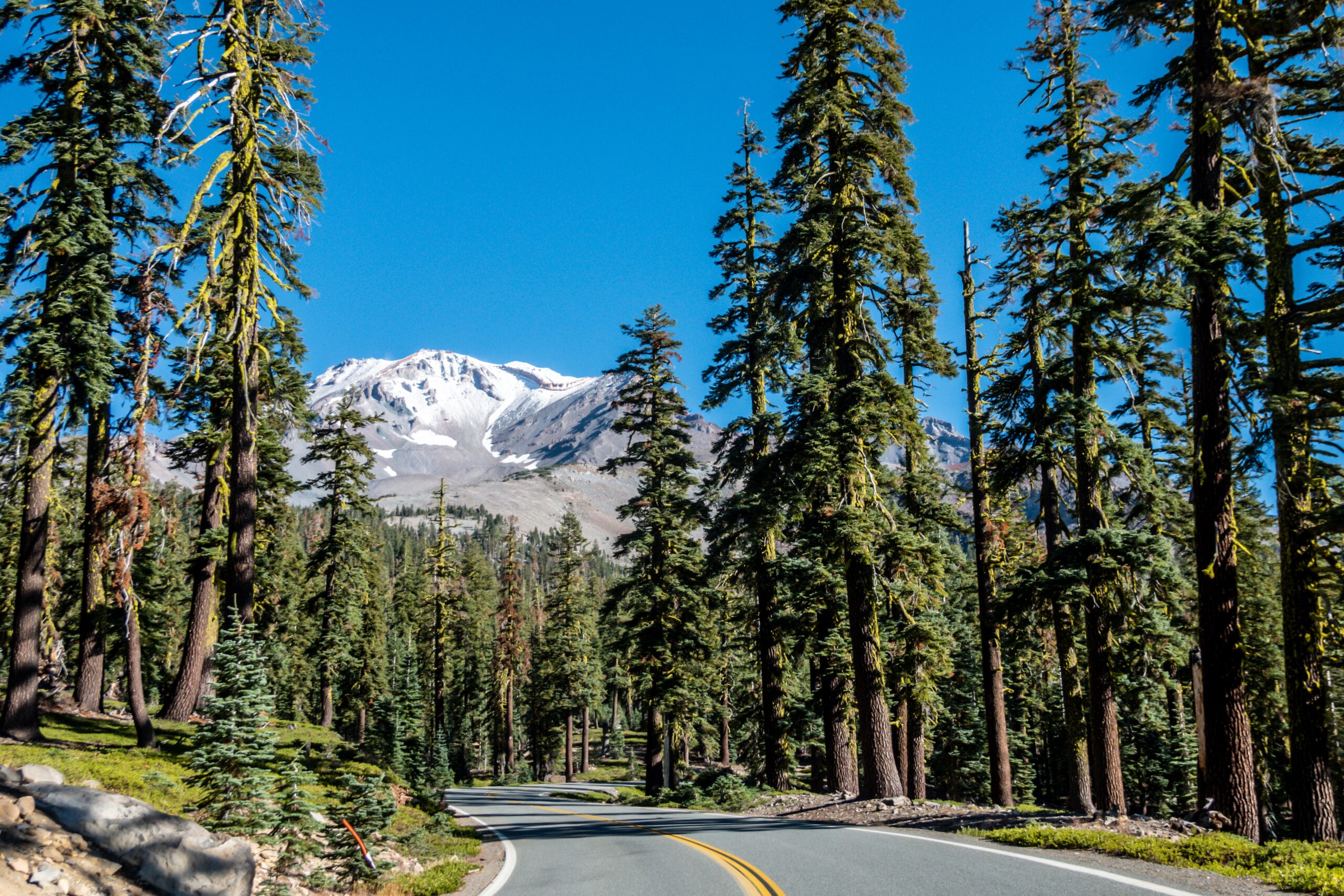
When you’re driving through Trinity National Forest, you’re probably focused on the views or getting to your next destination. What you don’t plan for is an accident. But unfortunately, there’s certain spots that see more than their fair share of car accidents here:
- Highway 299. This is one of the main routes through the forest, and it comes with winding stretches, elevation changes, and tight curves. In colder months, snow, ice, or even wet leaves can make traction unreliable—especially around shaded bends.
- Forest Service roads near campgrounds and lakes. Many of these roads are narrow, uneven, or unpaved. Potholes, loose gravel, and limited visibility can catch drivers off guard, particularly if they’re unfamiliar with the area.
- Mountain passes. Fog, ice, and fallen branches or rock debris can reduce visibility and make stopping distances longer than expected. These areas often feel quiet and empty, but that doesn’t make them any less risky.
- Trailhead and campground access roads. These spots see a mix of cars, pedestrians, cyclists, and people backing out of tight parking areas. Low speeds don’t always mean low risk when everyone is sharing a small space.
- Recreation areas and parking lots. Boat launches, lakeside pull-offs, and picnic areas create their own hazards—wet pavement, sharp turns, distracted drivers unloading gear, and crowded parking conditions.
Even the most careful drivers can’t control everything the forest throws at them. When an accident happens in one of these areas, getting clear guidance early can make a real difference in how smoothly things move forward.
Frequently Asked Questions
How long do I have to file a claim?
It depends on who’s responsible. Private parties usually allow two years, while claims involving government agencies can require action within six months.
Do I need to report the accident?
Yes. Always report it to local law enforcement or Forest Service staff. A report helps document the accident, its location, and any hazards.
What if the other driver left the scene?
You may still have options through uninsured motorist coverage or other recovery avenues. We can help figure out all possibilities.
Can I handle this without a lawyer?
Yes, technically. But forest accidents often involve multiple agencies, remote locations, and federal or state rules. Having someone who knows the process can save time, reduce stress, and prevent mistakes.
Reach Out to Maison Law After a Car Accident Near Trinity National Forest
If you’ve been hurt in a car accident near or in Trinity National Forest, it can feel like everything is working against you. Timelines are tighter, responsibility is up in the air, and your medical bills and car repairs keep piling up.
At Maison Law, our Trinity National Forest car accident lawyers understand what you’re facing and can help you through the process. Reach out today to set up a free consultation and let us help you explore your options.
