
Maison Law can help you through the claims process when you’re injured in a slip-and-fall accident on government property in Salinas. Slip-and-falls on government property are frustrating—but they’re not uncommon. They happen in places that are supposed to be maintained and safe. And while the process is different, our approach isn’t. Set up a free consultation today to talk through your options.
Do I Really Need a Lawyer After a Slip-and-Fall on Government Property?
Not every slip-and-fall calls for a lawyer. But when it happens on government property, the rules change quickly—and quietly. The deadlines are shorter, the paperwork is stricter, and figuring out who’s actually responsible isn’t always obvious.
Basically, you have to deal with all the regular things that come with a slip-and-fall, with the added stress of a faster process. Our team can help you from the very beginning by:
- Explaining how the process works and what your path ahead looks like
- Helping you get the right information and evidence
- Figuring out which government agency is responsible—or if a private person or group is
- Handling the claims process to make sure your rights are protected
Obviously, this is a pretty challenging situation. But it doesn’t take your options away, and our team can make sure that you have what you need in terms of information. With that said, there’s a few things you can get on your own that can help you later.
What Information Should I Try to Gather After a Slip-and-Fall?
Slip-and-falls happen quickly, and the aftermath can feel disorienting. It’s normal to feel embarrassed, shaken, or unsure of what to do next. Your health always comes first. Once you’re safe, a few key details can help protect you later.
- The accident report. If your fall happened in or around a government building, park, or facility, there’s usually a report completed by staff, security, or maintenance. This helps document when and where the fall happened—and shows the agency was put on notice.
- Medical records. Doctor visits, urgent care, imaging, prescriptions, and physical therapy all create records. These tie your injuries directly to the fall and show how serious the impact has been over time.
- Photos or video. If you can, take pictures of the hazard itself—uneven pavement, slick flooring, poor lighting, missing handrails. Conditions on government property often get fixed quickly once an incident is reported.
- Your own notes. Write down what you remember while it’s fresh. Where you were going. What caused you to slip or trip. How you felt afterward. These details matter more than people expect.
- Witness information. If anyone saw the fall, their names and contact details can help later—especially when responsibility comes into play.
You don’t need everything to move forward, but the more you have early on, the stronger your foundation tends to be.
Where Are Slip-and-Falls Common on Government Property in Salinas?
Slip-and-falls on government property in Salinas rarely feel dramatic when they happen. They happen in familiar, everyday places—spots people move through without thinking twice. Here’s where they’re the most common:
- Downtown city buildings and offices. Entryways, exterior walkways, and interior hallways see steady foot traffic throughout the day. Worn flooring, slick surfaces near doors, and uneven transitions can become dangerous quickly, especially when people are focused on getting in and out.
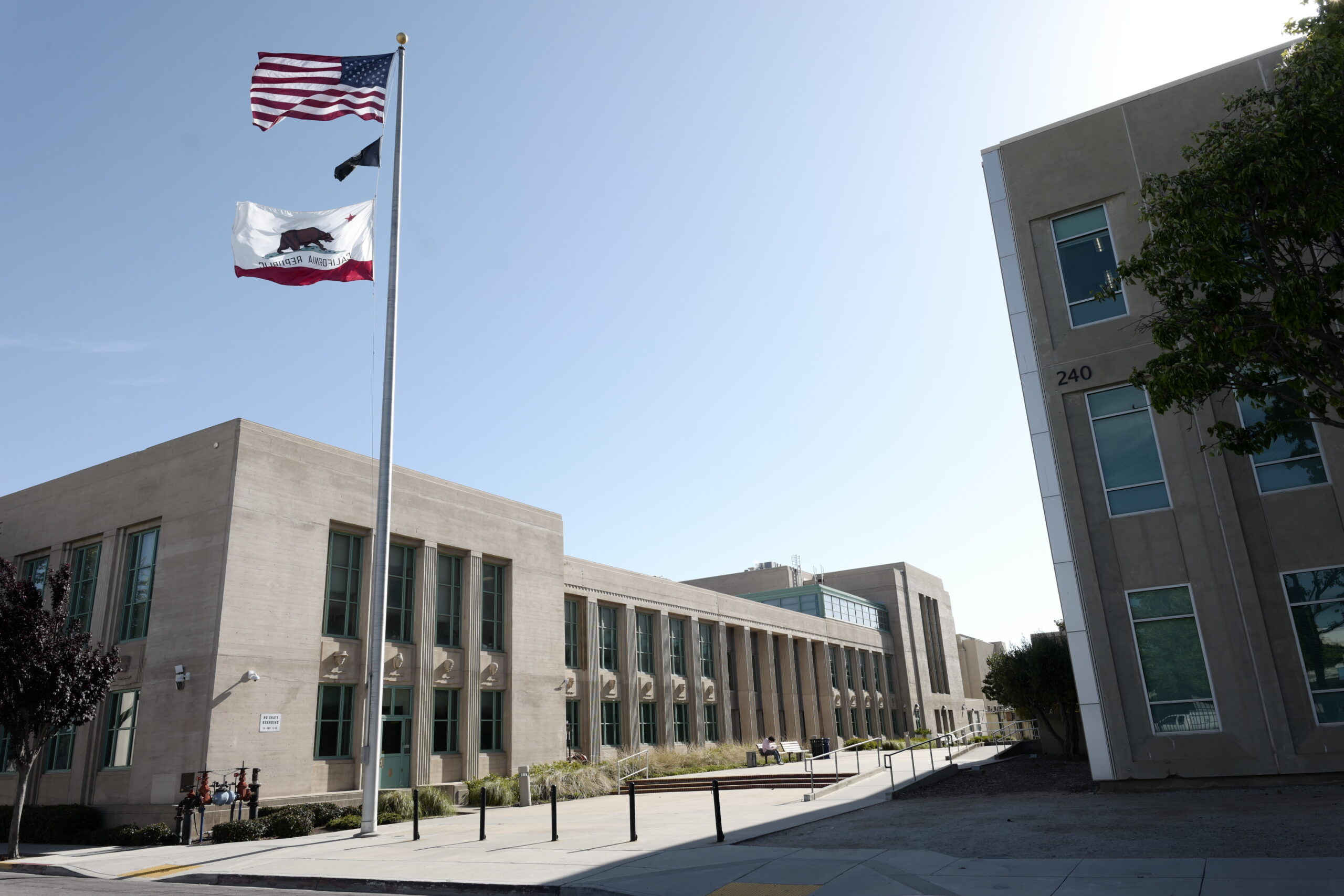
- Monterey County Superior Court, particularly on sidewalks connecting public parking areas to courthouse entrances. People are often distracted, stressed, or rushing. A raised slab, broken curb ramp, or uneven patch of pavement doesn’t look like much—until you trip on it.
- Cesar Chavez Library and other buildings see a steady mix of seniors, parents, and people carrying books, bags, or paperwork. Recently cleaned floors, worn carpet edges, and older building layouts can catch people off guard.
- Central Park or Sherwood Park often deal with early-morning irrigation, algae buildup, uneven repairs, and raised concrete from tree roots. These are relaxed spaces—people aren’t watching every step, which is why falls happen.
- Salinas Union High School District and nearby colleges include students, parents, teachers, and others regularly walking across outdoor campuses after hours. Cracked walkways, temporary construction zones, and poor lighting can turn a routine visit into an injury.
- City- and county-owned parking lots tie many of these locations together. Uneven pavement, faded striping, broken curbs, and low lighting don’t always stand out—until someone steps wrong getting in or out of a car.
Across all of these locations, the pattern is usually the same. The hazard didn’t appear overnight. It existed long enough that someone should have noticed and fixed it—or at least warned people.
Who’s Responsible for a Slip-and-Fall on Government Property?
Even when the property is publicly owned, slip-and-falls are still handled as premises liability claims. The central question stays the same:
- Did the party responsible for maintaining the property know—or should they reasonably have known—about the fall risk and fail to take care of it?
Depending on where the fall happened, responsibility could rest with:
- A city, county, or state agency
- A public school district
- A third-party maintenance or cleaning company
- Outside contractors handling repairs or landscaping
Sorting this out can be frustrating. Multiple agencies and contractors are often involved, and responsibility tends to get passed around. Finding the right party early matters, especially when deadlines are short.
How Do Claims Work When the Government Is Involved?
Slip-and-falls on government property in Salinas follow a different process than standard injury claims. These cases fall under California’s government claims system—the California Tort Claims Act (CTCA). With this, here’s how it works:
- You have to file a formal notice of claim within six months of the injury. Missing that deadline can bar the claim entirely—even if your injuries are serious and clearly connected to the fall. Also, your damages have to exceed $10,000.
- Once the claim is filed, the government has 45 days to investigate and respond. If the process is handled correctly, you may be able to recover damages related to:
- Medical expenses and future care
- Lost income or reduced earning ability
- Repair/replacement costs for damaged property (clothing, shoes, electronics, etc.)
- Pain and suffering
- Emotional distress
- Reduced quality of life
Sometimes a fall happens on government property, but the hazard was created by a private contractor. In those cases, the claim may follow standard injury timelines instead. Knowing which path applies early can protect your options.
Talk With Our Salinas Premises Liability Lawyers After a Government Property Slip-and-Fall
A slip-and-fall on government property can feel especially frustrating. You were walking where the public is expected to walk. When injuries linger or bills start piling up, understanding your options before time runs out matters.
At Maison Law, we focus on making things clearer—not more complicated. If you were hurt on government property in Salinas, we can walk you through what happened, explain what deadlines apply, and help you understand what your next steps look like—starting with a free consultation.
