
The Motorcycle Helmet 2-2-2 fit rule is a general guideline, using fingers, to make sure riders have a helmet that fits and protects what it should. When sizing a helmet, motorcyclists should also rely on a tape measure to check the size of their heads in centimeters to compare with the manufacturer’s sizing recommendations.
Checking Your Motorcycle Helmet Fit with Two Fingers
The 2-2-2 fit is a good, simple way to check if a helmet fits a rider’s head properly. It’s a reliable method that can be used before hopping on a bike. It’s a good habit for making sure the straps on a helmet haven’t shifted or loosened.
When there’s time and a place to take more exact measurements, it’s a good idea to use more exact methods to gauge the utility and safety of a helmet.
Here’s a brief overview of the Helmet 2-2-2 rule:
- Two Fingers of Room From Helmet to Brow. Motorcyclists can do a quick spot check on where their helmet should sit by using the width of two fingers together. There should be room to place the two fingers between the brow and the helmet on the forehead. There shouldn’t be much more space allowed. If there is, you probably need to adjust the helmet. The helmet should cover most of the forehead, because it’s one spot that commonly hits the road surface first if riders are thrown from their bikes.
- Two Fingers in a V-Shape on the Upper Chin Strap. To test the fit around the ears and on the cheek, put your two fingers in a “peace” sign, separated. Place the base of the V shape under your earlobe and slightly in front. Your fingers should extend upward around both sides of the ear. This is the general path the straps should take up from your chin and around your ears. Proper tightness will keep your helmet from sliding off kilter.
- Two Fingers of Room Between the Chin Strap and the Throat. Riders should be able to fit two fingers together between their chin strap and their throat and chin. A chin strap that rubs the rider’s skin raw or affects breathing is too tight. However, don’t leave a chin strap so loose that it can fall off.
Remember, a properly fitting helmet doesn’t rock back and forth when you shake your head. It should never block your vision.
Your helmet should fit tightly without creating pressure points, leading to headaches. A visor on your helmet should sit level with your head.
California Motorcycle Helmet Requirements
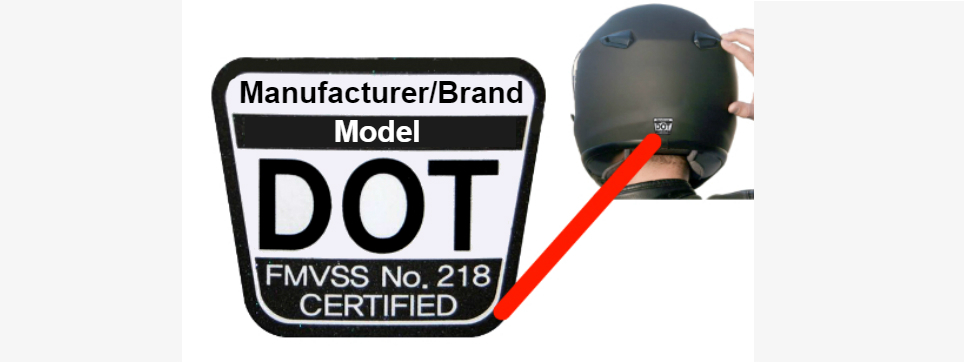
California requires all motorcyclists to wear helmets. They must choose a U.S. Department of Transportation (DOT) compliant motorcycle safety helmet.
The National Highway Traffic Safety Administration (NHTSA) advises riders on choosing the right helmet and informs motorcyclists to look for the DOT sticker on approved helmets.
There are ways to spot an unapproved helmet. Maison Law’s page on motorcycle helmet requirements in California can help you tell a safe helmet from an unsafe model.
Do I Need a Motorcycle Accident Lawyer After Being Hit by a Reckless California Driver?
If your accident was caused by a careless driver and you come out of it with serious injuries, it’s a good idea to discuss your case with a skilled California motorcycle accident lawyer.
With a broken leg, a neck or back injury, or brain trauma, your medical bills will be much higher. That tempts car insurance companies to look for ways to blame you for what happened. They love to blame motorcyclists for accidents, no matter the circumstances.
If they can get away with changing the facts, they can reject your case or write you a settlement check that doesn’t cover all of your recovery expenses.
Your attorney is a strong protection against these tactics. Your lawyer can also often earn you much more for your injury than you could by taking on a giant insurer yourself.
Contact Maison Law for a free case consultation. It comes with no obligation, but if you do end up needing our help, you don’t have to stress about how you’ll pay a lawyer. We don’t get paid unless we are successful in litigating your case. If we win, our attorney’s fee comes out of the settlement check that an auto insurance company must send to you.
