Maison Law can help you if you’ve been injured at a skate park in California. Despite what an insurance company might say, you still have a reasonable expectation of safety when you’re at one of these places. The question is usually how much liability, if any, the city or local government has. Our team can help you answer those questions. Set up a free consultation today.
How HSC § 115800 Handles Injuries and Liability at Skate Parks
California is pretty well-known for skateboarding culture, and because of that a lot of cities here have skate parks. But no matter how skilled or experienced you are, there’s always the chance that you could be injured in an accident at one of these places. And most of the time, the city government is going to try to say that because skating is inherently risky, they shouldn’t be responsible for your injuries.
However, that’s not exactly how HSC § 115800 handles the situation. Instead, it sets a few different requirements for both riders and the people that actually run the skate park. Here’s a quick look at those requirements:
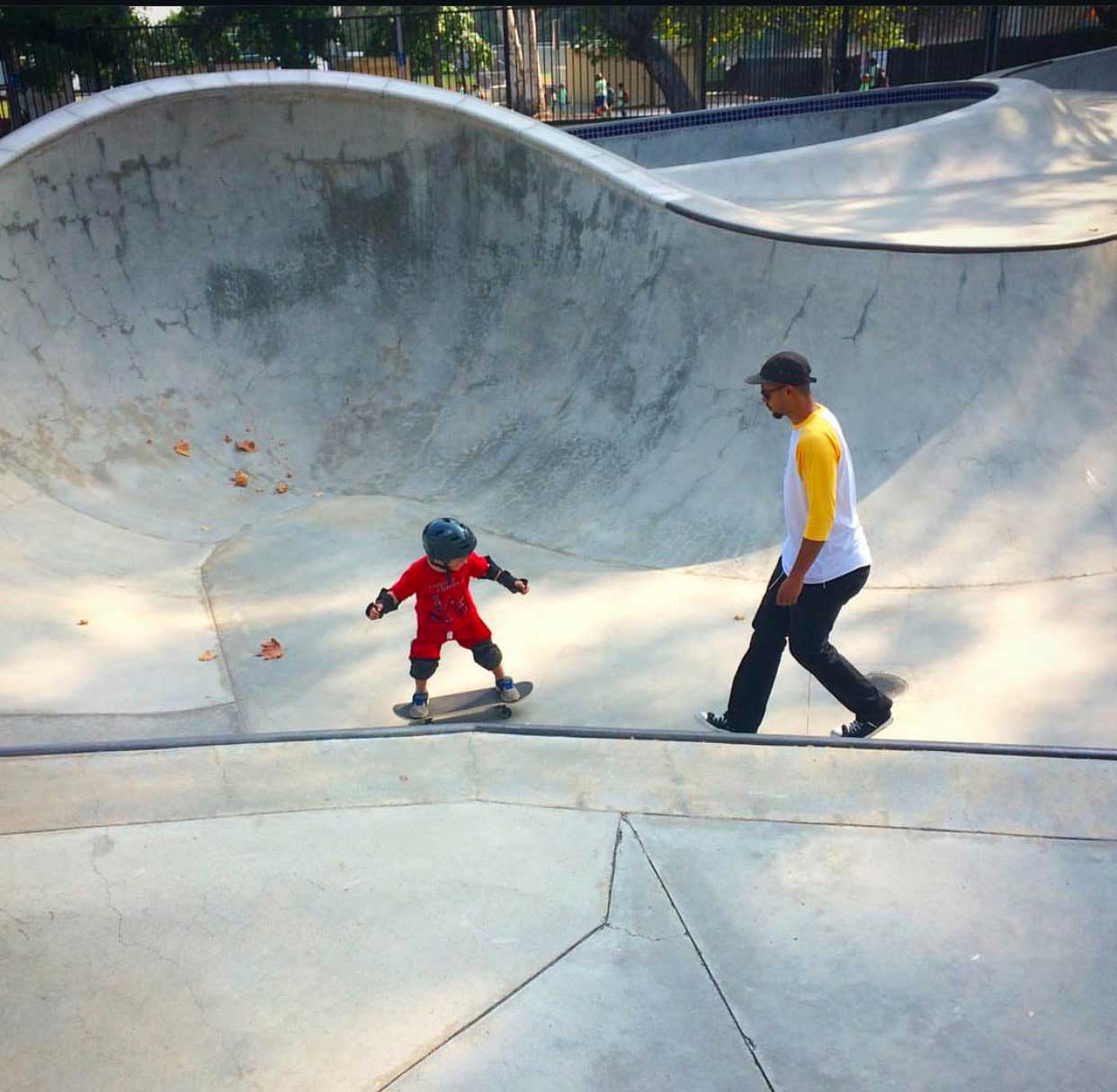
- Skate parks generally can’t allow someone to ride a skateboard without a helmet, elbow pads, and knee pads.
- Certain stunts, tricks, or other actions by a rider that’s 12 or older are considered “hazardous.”
That’s a pretty easy requirement to understand when it comes to skateboarding, even at a skate park. But the law doesn’t just cover what you and other riders need to do, it also covers the parks themselves. Basically, if the park is operated by the city, they have to enforce this law, which they can do by passing ordinances and posting signs that lay out this requirement. This is especially true because a lot of public skate parks are unsupervised.
But all of this can come into question when there’s an accident and you or some other skateboarder is injured. At that point, it becomes a question of what everyone was doing and what actually caused the accident.
Is the City Government Responsible If I’m Injured at a Skate Park?
When you’re hurt at a skate park, it obviously brings up a lot of questions. HSC § 115800 might cover what the requirements are in terms of safety gear, but it doesn’t necessarily answer the question of whether the city is actually responsible.
And as you might expect, it really comes down to the details of your accident—how the accident happened and whether the city knew (or should have known) that an accident was possible. City governments in California are generally responsible for making sure their property is safe. With a skate park, that means:
- Inspecting the park and looking for anything that could cause an injury.
- Keeping ramps, rails, pavement, and other features in good condition.
- Fixing cracks, potholes, damaged surfaces, and other hazards.
- Taking care of known safety issues before someone gets hurt.
- Posting signs about required safety gear and other rules where necessary.
If the city didn’t do these things, it basically amounts to negligence. And while HSC § 115800 acknowledges that doing certain things at the park are hazardous, it doesn’t mean the city has blanket immunity from this negligence. So when you get hurt because of the city (or someone else’s negligence at the park, you have the right to file an injury claim.
What makes these claims difficult is that responsibility isn’t always clear. A skate park might be publicly owned but maintained by a contractor, for example. And if the injury involves damaged pavement, faulty equipment, or something similar that the contractor is responsible for, the city might point the finger at the contractor as being responsible. One way or the other though, you still have the right to file an injury claim.
How You Can File a Claim After an Injury at a California Skate Park
It’s obviously pretty frustrating when you’re injured at a skate park, especially if you were doing everything you were supposed to be doing per HSC § 115800 and the city government wasn’t. That’s where the claims process can help, but when a city government is involved, the claims process works a bit differently because it actually falls under the California Tort Claims Act (CTCA).
With a CTCA claim, you have to:
- File a Notice of Claim within six months of the accident.
- The city then has 45 days to respond.
If the city doesn’t respond within 45 days or denies your claim altogether, you can file a lawsuit in state court.
But there’s an important distinction here. If your injuries happened because of something that a private contractor or person did at the skate park, the claims process works as normal. In other words, you have two years from the date of the accident to file either:
- An insurance claim outside of court.
- A personal injury lawsuit in civil court.
And remember, whether your claim is against the city or a private business or person, the overall goal is the same: financial support for what the accident has cost you. These are your damages, and they’re based on your:
- Medical bills and follow-up treatment
- Lost income from missed work
- Damage to your skateboard and other personal property
- Physical pain and limitations
- Emotional distress and the effect the injury has had on your daily life
When you’re hurt in this situation, it’s incredibly difficult to try to handle everything yourself. That’s exactly where our California skateboard accident lawyers at Maison Law can step in and help. We’ll walk you through your options, help you gather evidence, handle all the talks with the city government, and guide you through the claims process. Set up a free consultation today to get started.