
Maison Law can help you if you’ve been injured in an accident as a pedestrian in California. Of all the different ways this can happen, one of the most common is when a driver doesn’t give you the right-of-way. At that point, you’re left facing a lot of issues and questions about how you’ll be able to get better. Our team will be there to answer those questions. Set up a free consultation today.
What Happens When Drivers Fail to Yield to Pedestrians?
This isn’t all that difficult to figure out. When a driver doesn’t give you or another pedestrian the right-of-way, it quickly leads to an accident. But the reason that CVC § 21971 is in place is to keep you and other pedestrians safe. It does this by setting penalties for any violation of the statute, which include fines of:
- $220 for the first infraction
- $320 if there’s a second infraction within a year of the first
- $370 if there’s a third infraction within a year of the others
While that covers what the driver is facing, a failure-to- yield accident for you as a pedestrian is a lot heavier. It usually results in things like:
- Traumatic Brain Injuries (TBIs)
- Spinal injuries
- Injuries to your back and neck
- Broken bones, especially your arms and legs
- Damage to your internal organs
- Dislocations and other joint injuries
- Road rash, cuts, and bruises
Oftentimes, these kinds of accidents leave you facing multiple serious injuries at once. That makes everything that comes after harder. But because the circumstances matter, it’s helpful to look at where these kinds of accidents happen here in California.
Where Failure-to-Yield Pedestrian Accidents Happen in California
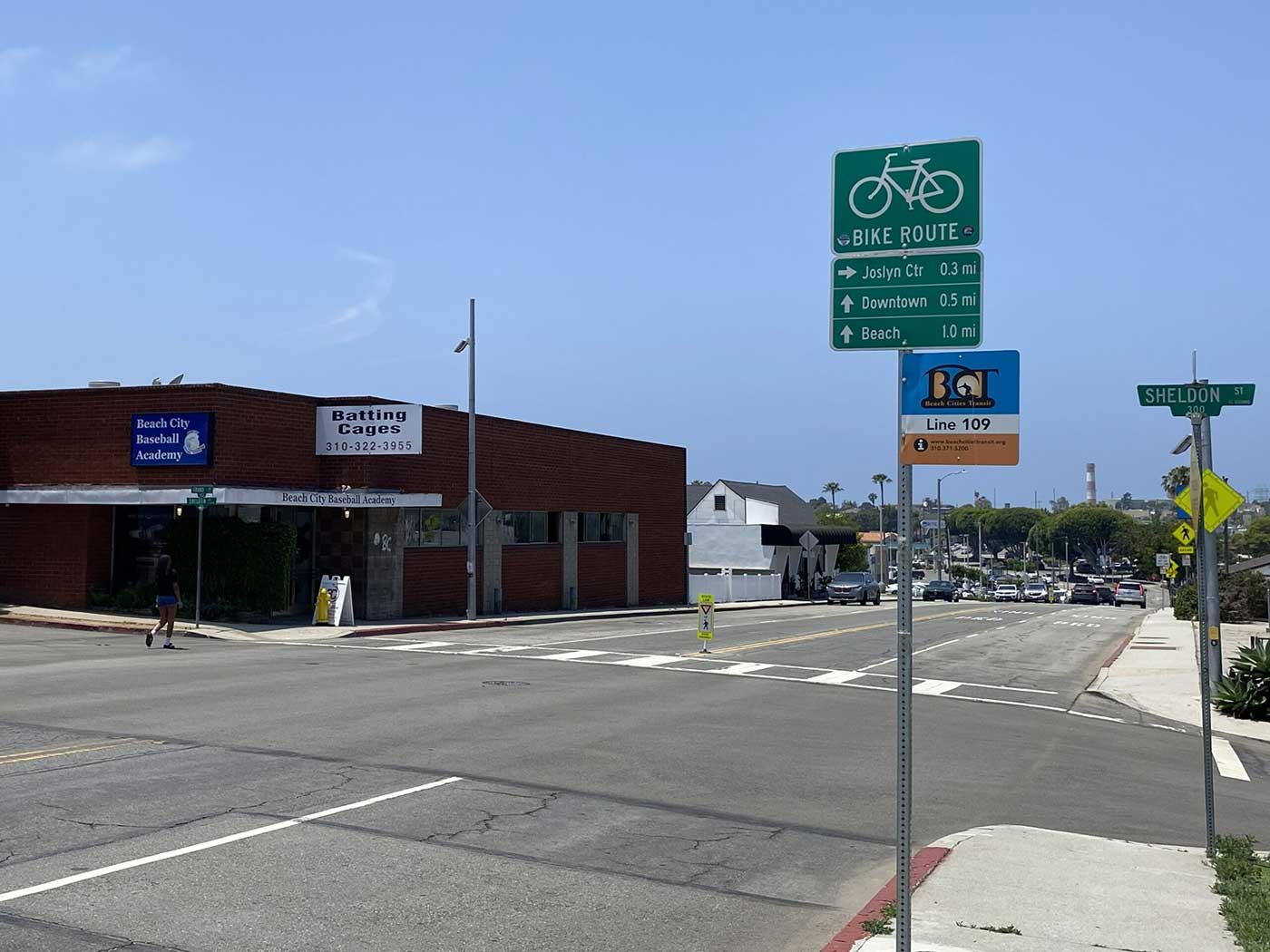
Anytime a driver fails to give you the right of way as a pedestrian, it puts you at risk of injuries in an accident. But as a pedestrian it can help to know where things like this usually happen in California. And not surprisingly, they tend to happen in the same types of areas throughout the state, like:
- Intersections and crosswalks. Drivers turning left or right may focus on traffic and fail to yield to pedestrians crossing in front of them.
- Busy downtown streets and commercial areas. Drivers entering businesses, pulling onto busy roads, or passing through crosswalks may overlook pedestrians who have the right of way.
- Parking lots and shopping centers. Drivers backing out of spaces or turning between parked cars may fail to notice pedestrians walking nearby.
- Driveways and private entrances. Drivers crossing sidewalks to enter or leave driveways may overlook pedestrians approaching from either direction.
- School zones and neighborhood streets. Drivers who roll through stop signs or turn without checking can put children and other pedestrians at risk.
- Roads with multiple lanes or faster-moving traffic. Drivers focused on other vehicles may turn across a pedestrian’s path without yielding when required.
The common thread with all of these locations is that drivers can become focused on other vehicles, turns, or where they’re going and overlook pedestrians walking nearby. That’s what leads to accidents, but you do have a way of getting financial help for what you’re left with.
What Your Options Are For Filing a Claim After Your Accident
After a driver fails to yield and hits you while you’re walking, you may be left trying to figure out what happens next. You might have medical bills, time away from work, anxiety, pain, stress, and a lot of unanswered questions.
That’s exactly what the claims process is designed for. It gives you the chance to file an injury claim and get financial help for all those things through:
- Filing an insurance claim outside of court
- Filing a personal injury lawsuit
Most of the time, things start off with insurance and then progress to a lawsuit, but one way or the other, you’re going after “damages.” This is the legal term for what you’ve lost, and a claim includes costs associated with your:
- Medical bills and future treatment
- Lost wages or a reduced ability to work
- Damage to personal belongings, like your phone or glasses
- Physical pain and emotional distress
- Changes to your everyday life because of your injuries
- Wrongful death-related losses in fatal accidents
No matter which option you decide to go with, there’s deadlines to keep in mind. In California, you have two years from the date of the accident to file your claim. And the longer you wait, the more the circumstances can change.
Maison Law Helps Pedestrians Injured By Drivers That Fail to Yield in California
When a driver fails to yield, you’re the one who may end up dealing with the injuries and everything that follows. You might have been crossing at an intersection, walking through a parking lot, or using a crosswalk when a driver turned or pulled out without checking.
Now, on top of trying to recover, you’re left dealing with doctor’s appointments, hospital trips, time away from work, and questions about what happens next. That’s where having a pedestrian accident lawyer can help. Our team of California pedestrian accident lawyers at Maison Law can help you by:
- Gathering medical records and other evidence to document your injuries.
- Looking into whether the driver failed to yield and caused the accident.
- Handling calls and other communication with the insurance company.
- Reviewing your medical expenses, lost income, and other ways the accident has impacted you.
- Explaining your options so you can make informed decisions about what to do next.
You don’t have to hire a lawyer to file a claim, and some people choose to handle things on their own. But when you’re trying to recover from an injury and an insurance company is questioning what happened or downplaying your injuries, the process can get overwhelming. We’ll be there to make things easier. Set up a free consultation today.
