Maison Law helps pedestrians in California who have been injured in accidents. As a pedestrian, you’re going to encounter a lot of traffic, both at a crosswalk and at other places along the road. But if you’re a blind pedestrian, you need an even higher level of protection and care. That’s why laws like CVC 21963 are in place, but our team can help you understand your options when you’re injured. Set up a free consultation today.
What CVC 21963 Says About Blind Pedestrians in California
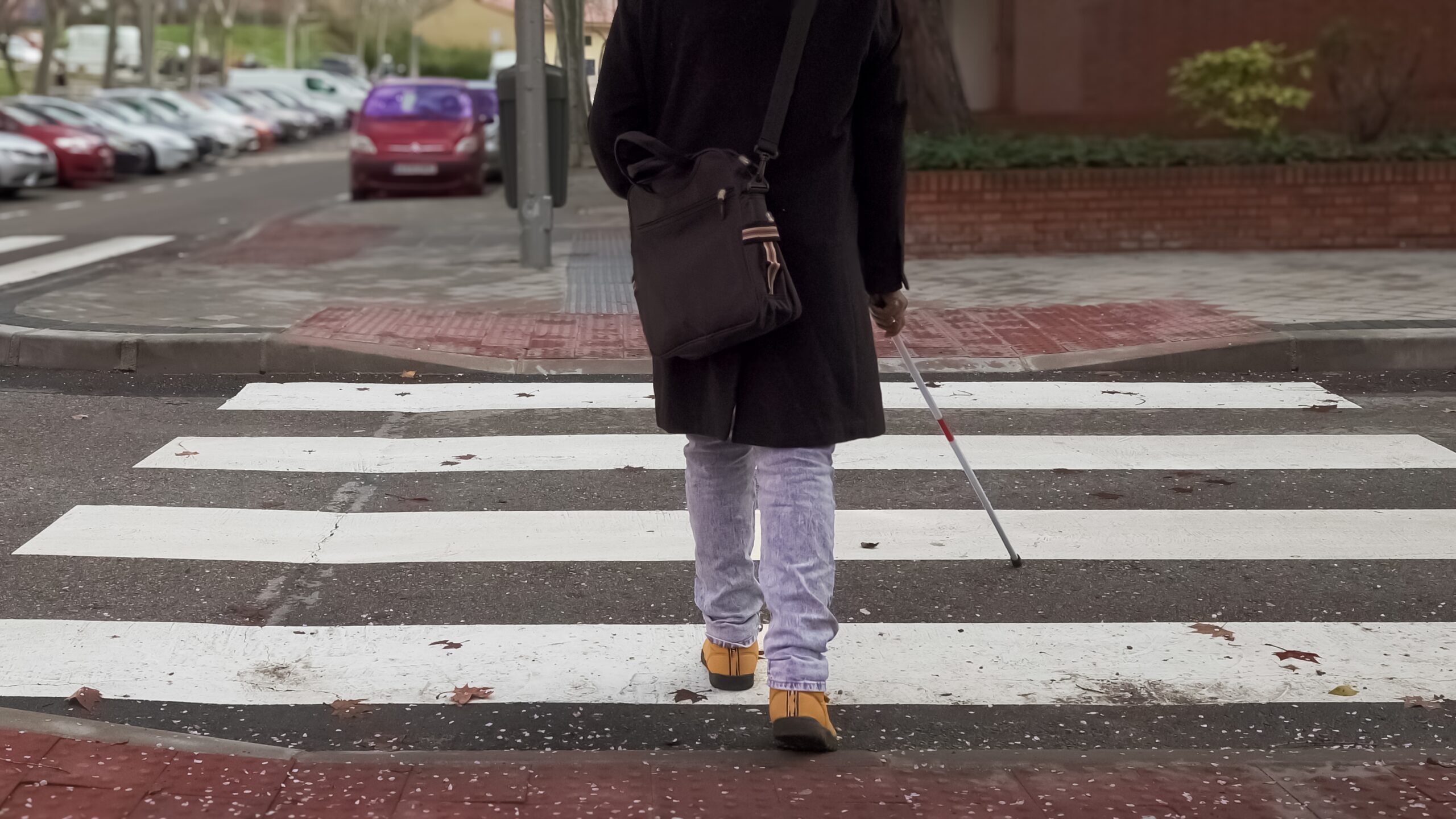
Because they’re even more vulnerable, California Vehicle Code § 21963 specifically protects pedestrians who are totally or partially blind. Under this law, blind pedestrians not only have the right-of-way when crossing the street, but drivers also have to take even more precautions to keep from injuring them.
Practically speaking, that means drivers have to:
- Watch for you at crossings. If you’re using a white cane or guide dog, drivers need to recognize that and give you the right-of-way.
- Check before turning. Drivers need to look for you before turning, backing up, or moving through an intersection.
- Give you time to cross. Drivers shouldn’t try to get around you or move forward when you’re still crossing. They need to give you the time and space to get across safely.
These rules are especially important because blind pedestrians have to rely on the surroundings and other cues to understand what’s happening around them. But the important thing to understand is that CVC 21963 puts a clear responsibility on drivers to yield and take reasonable steps to keep you safe. Unfortunately, that doesn’t always happen, and that can leave you facing even more challenges.
What Are Your Legal Options After a Blind Pedestrian Accident?
As a blind pedestrian, you already face enough challenges just trying to get from one place to another. And while the law is clear in terms of what drivers have to do when they see you at a crosswalk, it’s still incredibly frustrating when they don’t follow the rules and cause an accident.
At that point, though, there are legal options available to you, just like it would be for any other pedestrian that’s injured because of a driver’s careless actions. That means you can either file:
- An insurance claim outside of court
- A personal injury lawsuit in court
No matter which option you decide to go with, the goal is the same: get financial help for what the accident has cost you. Normally, that includes costs associated with your:
- Medical bills and future treatment
- Lost wages and reduced ability to earn a living
- Damaged belongings, like your phone, glasses, white cane, or other mobility equipment
- Physical pain and emotional distress
- Changes to your daily routine and independence
- Family’s losses if the accident was fatal, which can happen through a wrongful death claim
Ultimately, it comes down to what happened and what you’re dealing with now and how that’s going to continue to impact you in the future. But even with CVC 21963 in place, how the claims process plays out is going to depend on the specifics of your accident.
Information That Can Help Your Claim
The hard part about being a blind pedestrian is that you have to rely on drivers to pay attention and follow the rules of the road. You can do your part to cross safely, but you can’t control what a driver does. So when an accident does happen, there’s something important to do even before you try to start gathering information:
- Calling 911 so you can get medical attention and have the accident reported to police. Your health comes first, and you shouldn’t feel like you have to gather this information while you’re hurt.
Once that’s done, ask a bystander or somebody with you to get a few basics like:
- Pictures/videos of the surrounding area, the vehicle, your injuries, and any relevant crosswalks, signs, or traffic signals.
- Names and contact information of anyone who saw what happened or helped you after.
- Contact and insurance information from the driver, along with the license plate number and vehicle details.
Keep in mind that you don’t need to try to gather everything right there at the scene. Once you’ve received medical care and things have settled down, other records can help fill in the picture, including:
- Medical records and photos showing how your injuries change over time.
- The police accident report.
- Video footage from nearby businesses, dashcams, or cell phones, if available.
- Damaged clothing, glasses, your white cane, or other personal belongings.
- Records of missed work and accident-related expenses.
- Notes about how your injuries affect your everyday activities and ability to get around independently.
Obviously, it’s pretty demoralizing to be injured as a blind pedestrian, especially when you were doing everything you were supposed to do. And even though your rights and options aren’t any different from anyone else, it’s still usually in your best interest to work with our team so that nothing gets overlooked.
Why It Makes Sense as a Blind Pedestrian to Get Legal Help After an Accident in California
Being hit by a car can leave someone dealing with much more than physical injuries. There may be medical bills, time away from work, and changes to everyday routines. For a blind pedestrian, an injury may also make it harder to get around independently or manage activities that were already part of daily life.
On top of that, dealing with an insurance company can be frustrating. The driver or insurer may dispute what happened, question the extent of the injuries, or try to shift some of the blame onto you. That’s where having our team on your side really makes sense. We can:
- Explain your options and what to expect from the claims process.
- Look into the accident, including whether the driver followed CVC 21963.
- Gather police reports, witness statements, medical records, and other evidence.
- Handle the back-and-forth with the insurance company.
- Account for medical expenses, lost income, and other ways the accident has affected your life.
If you or someone you love has been hurt in an accident involving a blind pedestrian, Maison Law can help you understand your options and work through the next steps. Set up a free consultation today.
