
Maison Law’s Redwood National Park personal injury team can help you through the claims process if you’re hurt in a pedestrian accident there. It’s probably not the first thing you think about, but it can happen. Whether you’re hiking on a trail or simply walking through a parking lot, our team can support you. Set up a free consultation today.
Do I Even Have Legal Options After Being Hit?
A lot of people hesitate to ask this question—and that’s fair. After a pedestrian accident in Redwood National Park, you’re main focus is probably just getting better and back on your feet. Further, talking to a lawyer doesn’t even mean you’re filing a claim. It’s more for peace of mind. However, the reality is that these types of claims are confusing, and at that point, it’s worth talking to our team to explore your options. We will:
At this stage, help often looks pretty simple and practical:
- Explain how fault is actually determined.
- Flag deadlines you may not even realize exist.
- Figure out who controlled the road, walkway, or crossing.
- Deal with insurance calls and government agencies so you don’t have to.
- Help preserve evidence before it disappears.
You’re going through enough when you’re hurt. Trying to also deal with a complicated legal process can quickly overwhelm you. That enough is worth getting a lawyer, but when you look at the actual claims process, it becomes even more important.
What Information Is Actually Worth Saving After My Accident?
Even in a vast place like Redwood National Park, the scene changes fast after you’re hurt while on foot. Vehicles leave. Paths grow over. Weather shifts. That’s usually all it takes for a claim to dry up, which is why getting information right after the accident happens is critical. Here’s what you should focus on:
- Take pictures or a quick video of exactly where you were walking—whether it was a trail, a pullout, a crosswalk, or the side of the road. It helps show what the area really looked like. You’ll want to focus specifically on anything that could have blocked someone’s view—like curves, trees, or thick brush.
- Try to see if any signs or warnings were nearby or if something that should have been there wasn’t. That can make a big difference later.
- If anyone saw what happened, get their name and phone number. Even a hiker or park ranger who happened by can be helpful.
- Keep any official reports, like police or ranger notes. They’re an important record of what happened.
- Save your medical records, from the first ER visit to follow-ups and therapy. They show how the accident affected you.
- Write down what the conditions were like—was it foggy, rainy, dark, or busy with cars or hikers? Small details can matter a lot.
Obviously, this isn’t the same for every accident. And while your main priority should always be your health first, getting what you can at the scene can be everything as you move forward.
Where and How Do Pedestrian Accidents Happen in Redwood National Park?
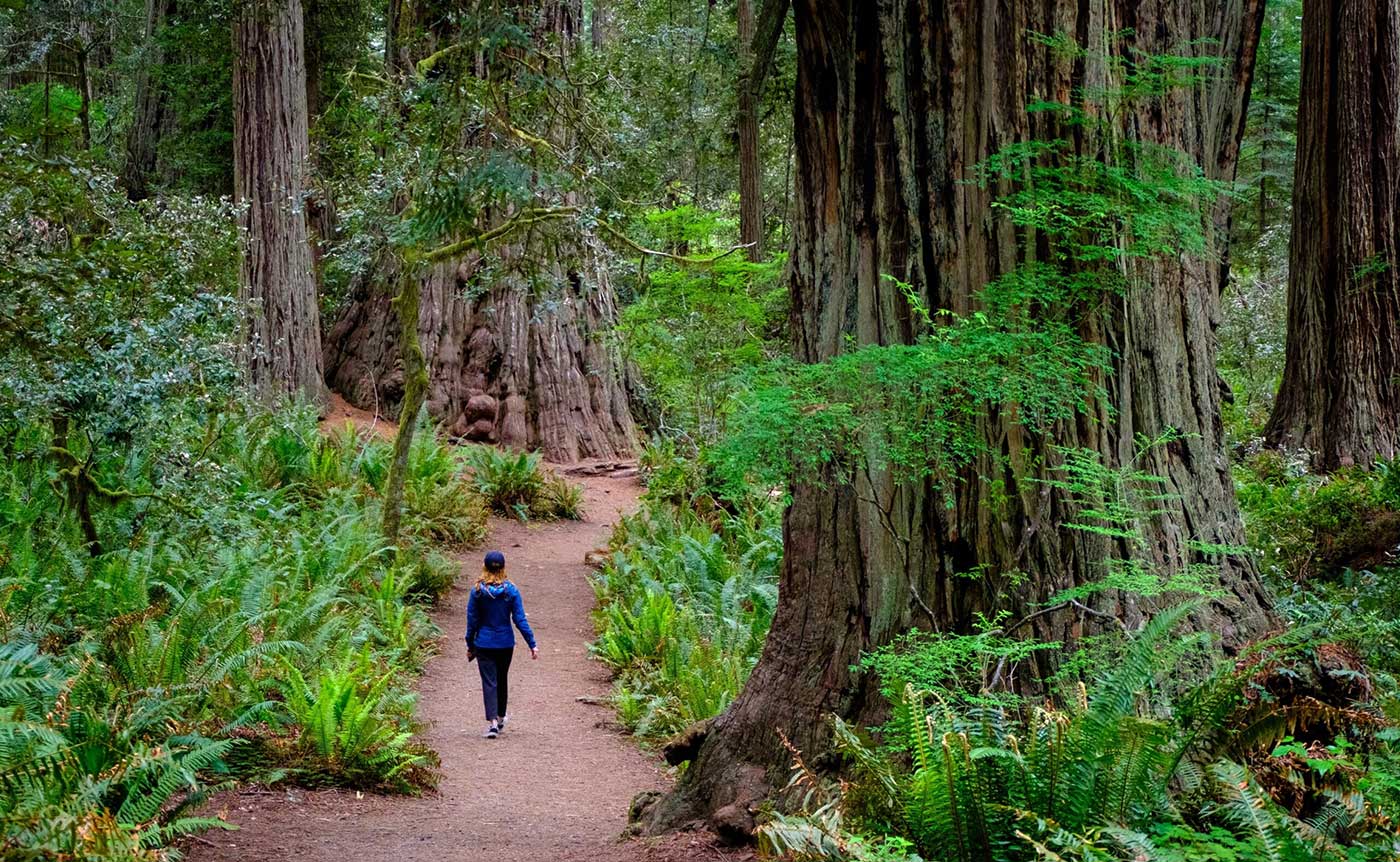
Walking in and around Redwood National Park is amazing—you’re surrounded by towering trees, quiet trails, and breathtaking scenery. But those same trails and roads can be tricky, and accidents can happen in an instant. Here’s what you should know about the spots and situations that tend to cause pedestrian injuries:
- Trail crossings and narrow paths. Some paths wind tightly between trees or over uneven terrain. Drivers, cyclists, or even other hikers may have limited visibility, which makes collisions more likely.
- Park roads and pullouts. Roads like the ones that wind along the coast or through the forest are often narrow and curvy. Vehicles may be moving quickly to catch views or to reach trailheads, leaving little room for pedestrians.
- Crosswalks and parking areas. Even marked areas aren’t always safe. Drivers distracted by scenery, wildlife, or GPS devices may fail to see someone crossing.
- Blind corners and curves. Many of the park’s roads and trails have sudden bends. A hiker stepping out, or a driver turning too fast, can create a dangerous moment in seconds.
- Shared-use areas. Some spots combine pedestrians, cyclists, and vehicles. Confusion or miscommunication can quickly lead to accidents.
Even careful walkers aren’t immune. The key is understanding where risks are higher and having the right documentation if something does happen. From there, it’s about looking at the claims process. And that starts with trying to untangle liability.
Who Could Be Responsible for a Pedestrian Accident Here?
Pedestrian accidents in Redwood National Park can feel confusing at first. With winding roads, quiet trails, and open forest areas, it’s easy to think an accident was just “bad luck.” But many times, someone’s carelessness—or failure to prevent something risky—plays a role in what happened.
But even with the risks, it comes down to negligence. With that, here’s a few of the possibilities when it comes to legal responsibility for your injuries:
- Drivers. Anyone behind the wheel who failed to yield, was distracted, or drove too fast for conditions could be at fault. That includes delivery drivers, rideshare drivers, or even rental car companies.
- Government agencies. Roads, trails, and crosswalks need to be safe. If signage was missing, crossings were confusing, or maintenance was neglected, the agency in charge could share responsibility.
- Construction companies and crews. Work zones, temporary closures, or improperly marked hazards can create unsafe conditions for pedestrians.
- Property owners or managers. Parking lots, access paths, or private recreation areas that aren’t properly maintained—or that fail to warn visitors about risks—may also be on the hook.
Understanding who could be responsible is important because it guides the steps you need to take next—and also impacts how the claims process plays out.
How Do Pedestrian Accident Claims Usually Play Out in Redwood National Park?
While being a pedestrian that’s injured in or near Redwood National Park doesn’t change your options, it does change how the process plays out. And there’s not a one-size-fits-all solution. It comes down to who was responsible for what happened and where exactly it happened. So then, here’s a look at how the process plays out in a typical scenario:
- Federal claims. If the accident happened on federal land—like a trail, parking area, or road managed by the National Park Service—or involved a federal employee, your claim usually falls under the Federal Tort Claims Act (FTCA):
- You start by filing a formal claim with the responsible federal agency (usually The National Park Service) using Standard Form 95. Your claim should explain what happened, where it happened, why the government may be responsible, and how you were harmed.
- The agency generally has up to six months to review and respond.
- Only after that process can you take the case to federal court, if necessary.
- State claims. If a California state or local agency had a role—like maintaining a park road, crosswalk, or trail—the California Tort Claims Act (CTCA) usually applies, where you have to:
- File a Notice of Claim within six months of the accident.
- Generally need to exceed $10,000 in damages.
- Allow the government 45 days to respond to your claim.
- Private claim. If the accident involved private property—like a cabin, rental, campground, or privately owned road—standard personal injury rules usually apply. That means you have two years from the date of the accident to file either:
- An insurance claim outside of court
- A personal injury lawsuit
No matter what applies, it’s about recovering your damages. And in a pedestrian accident, they can be pretty steep. They usually include things like:
- Current and future medical expenses and lost wages
- Repair/replacement costs for damaged property
- Pain and suffering
- Emotional distress
- Reduced quality of life
- Funeral and burial expenses in fatal accidents
Remember, every situation is different, but your rights are steady. It’s still a challenging process, though, and with such strict deadlines, it’s vital that you start sooner rather than later.
Frequently Asked Questions
Does it matter that this happened inside Redwood National Park?
Yes. Some areas are federally managed, others fall under state or county control. That impacts who may be responsible and what rules apply to your situation.
What if the driver was a tourist?
Tourist traffic is common, but unfamiliarity with the area isn’t an excuse. Drivers are still required to adjust to fog, foot traffic, and narrow roads. When they don’t, they could be responsible—even if they’re driving a rental car.
What if I wasn’t in a crosswalk?
Many pedestrian accidents here happen near trailheads, pullouts, and campgrounds where crosswalks don’t exist. That alone doesn’t make you at fault.
Have a Real Conversation About What Comes Next After a Pedestrian Accident Near Redwood National Park
Getting hit as a pedestrian can change how you feel about places that once felt peaceful or familiar. But soon after the accident, your injuries and the resulting damage to your life are going to become more pronounced. That’s when it helps to have real guidance and support from our team at Maison Law. We’ll give you a better idea of your options and help you understand what the path forward looks like. Set up a free consultation today to learn more.
