
The Support You Need.
The Settlement You Deserve.

Personal Injury Lawyer Near Redwood National Park

Maison Law can help you through the claims process when you’re hurt in any kind of accident near Redwood National Park.

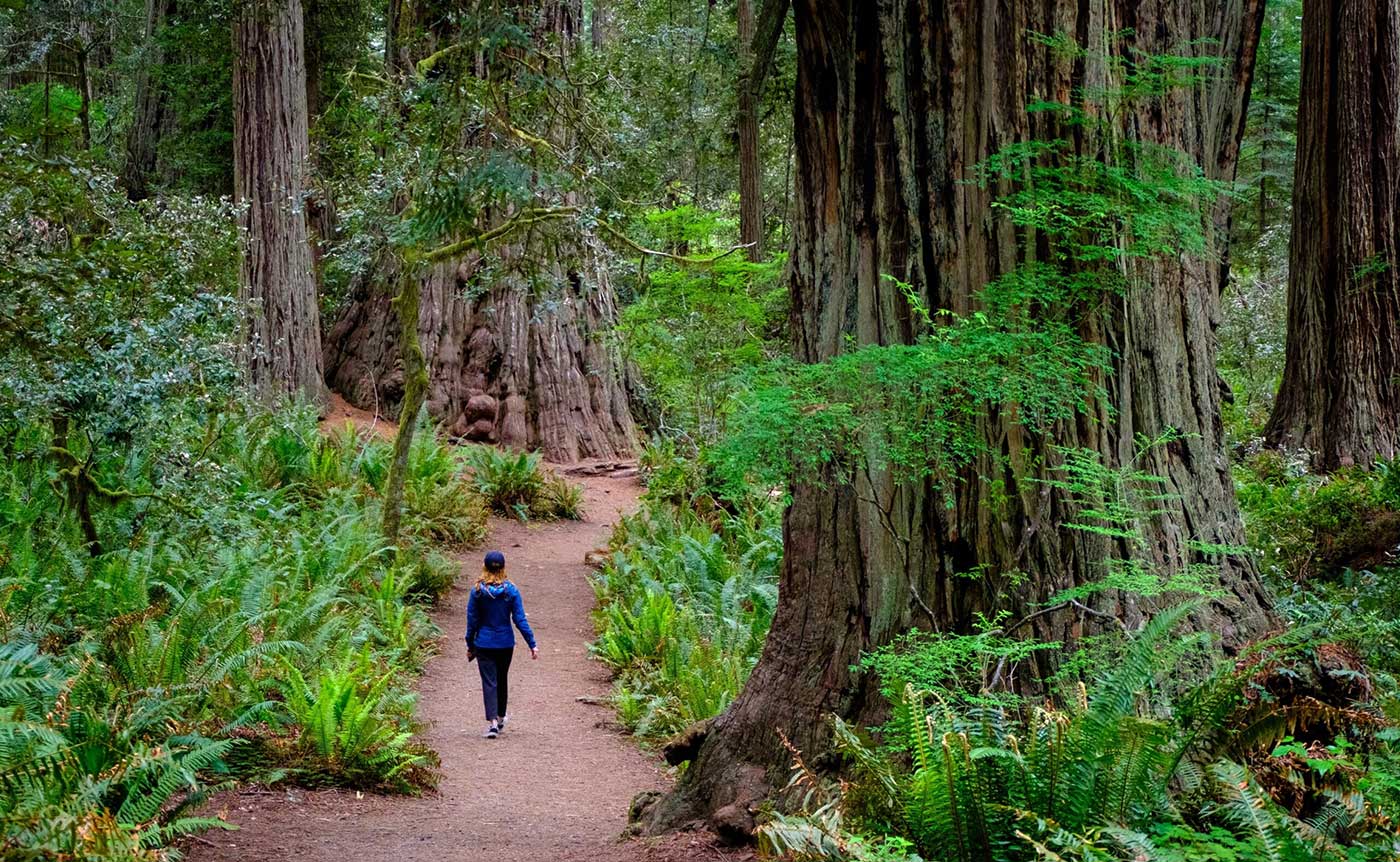
Most people come to Redwood National Park looking for quiet—towering trees, coastal fog, long hikes, and a chance to slow down. But when an accident happens, that sense of calm disappears fast. Suddenly you’re dealing with injuries, confusion, and a lot of unanswered questions.

We can answer them and help you through it. Set up a free consultation today.

Should I Get a Lawyer?

Not every accident in Redwood National Park automatically means you need a lawyer. If you tripped, had a minor injury, and everything about the situation is clear, you may be able to handle the aftermath on your own. But many accidents in and around the Redwoods aren’t that clean.

Redwood National and State Parks are jointly managed by the National Park Service and California State Parks. On top of that, nearby roads like U.S. Highway 101, Newton B. Drury Scenic Parkway, and access roads to trailheads may be maintained by the state or county. Campgrounds, tours, and rentals may involve private companies. When something goes wrong, figuring out who was responsible isn’t always obvious.

That’s where our team can be helpful, and you should think about getting a lawyer if:

  • Your injuries required hospital care or ongoing treatment
  • The accident happened on a trail, road, or facility maintained by a government agency
  • There were environmental hazards, such as fallen trees, erosion, flooding, or poor visibility
  • Responsibility is being passed around
  • You’re being asked to deal with insurance companies or government claims offices
  • You’re unsure how much time you have to act

In park-related cases, deadlines can be much shorter than people expect, especially when federal or state agencies are involved. Speaking with a lawyer early doesn’t lock you into anything—it helps you understand what options you actually have before time and evidence slip away.  

What Information Should I Try to Get After My Accident?

After an accident in Redwood National Park, your safety comes first. Medical care should always be the priority, especially since some areas of the park are remote and emergency response times can vary. If you’re able—or if someone with you can help—gathering certain information can make a big difference later. Here’s what to focus on:

  • Accident reports. Park rangers, local sheriffs, or the California Highway Patrol may respond, depending on where the accident occurred. These reports often document the time, location, conditions, and initial observations about what happened.
  • Pictures and videos. Images of the scene can be critical. This might include trail conditions, exposed roots, fallen trees, damaged guardrails, foggy roadways, missing signage, vehicles, bicycles, or equipment involved.
  • Medical records. Emergency room visits, urgent care records, follow-up appointments, and physical therapy notes all help document the extent of your injuries and how they’re affecting you.
  • Witness information. Other hikers, campers, drivers, or cyclists may have seen what happened or arrived shortly afterward. Even brief statements can help fill in gaps.
  • Personal notes. Details like the exact location (trail name, mile marker, campground, or turnout), time of day, weather, and visibility can fade quickly. Writing them down early helps preserve accuracy.

If you weren’t able to collect this information at the time, that’s common. Many visitors are injured while traveling and focused on getting home or getting care. In Redwood cases, records like ranger logs, maintenance schedules, hazard reports, and emergency dispatch records can often be gathered later to help reconstruct what happened.

What Kinds of Accidents Happen in Redwood National Park?

Redwood National Park is peaceful, but the environment creates risks that don’t exist in urban settings. Accidents here tend to fall into several common categories.

  • Car accidentstruck accidents, and motorcycle accidentsS. Highway 101 runs directly through parts of the park, alongside forest roads and scenic routes like Newton B. Drury Scenic Parkway. Heavy fog, narrow lanes, wildlife crossings, fallen branches, and sharp curves all increase the risk of collisions, especially for visitors unfamiliar with the area.
  • Bicycle accidents. Bike riders often share roads with vehicles or ride along scenic park routes with limited shoulders. Uneven pavement, loose gravel, sudden elevation changes, and low visibility can quickly turn dangerous.
  • Hiking and pedestrian accidents. Trails throughout the park—including popular areas near Prairie Creek, Fern Canyon, and Tall Trees Grove—can become slippery from moisture, mud, or moss. Exposed roots, footbridges, and uneven terrain contribute to falls and serious injuries.
  • Campground and picnic area injuries. Uneven ground, poorly maintained facilities, fire pits, and shared spaces can lead to trips, burns, or other injuries, especially after dark.
  • Dog bites. Campgrounds and rest areas bring together families and pets. Even dogs that are normally calm can bite if startled or improperly restrained.
  • Accidents involving children. Kids are naturally drawn to water, fallen logs, and natural features. Slips near streams, falls from embankments, or injuries while exploring are common concerns.
  • Drowning accidents. Rivers, creeks, and coastal areas near the park are cold and unpredictable. Strong currents, slippery rocks, and changing tides create serious risks, even for strong swimmers.

Each type of accident raises different questions about responsibility, which is why no two cases are handled exactly the same way.

Who’s Legally Responsible When There’s an Accident in Redwood National Park?

While Redwood National Park is vast, the people in charge of the different areas there still have a basic responsibility to keep things safe. This issue is that there’s overlapping responsibility. Some areas are managed by the federal government, but are maintained by state authorities or private groups. This makes narrowing down responsibility for your accident difficult—but not impossible. Here’s a breakdown of who’s responsible when you’re hurt:

  • Federal agencies. The National Park Service oversees certain trails, facilities, and areas of the park. If a known issue wasn’t addressed or clearly warned about, federal responsibility may come into play.
  • State agencies. California State Parks jointly manage large portions of the Redwoods. Their responsibilities may include trail maintenance, campground upkeep, and visitor safety.
  • Local agencies. Some access roads, parking areas, or nearby facilities may fall under county or local control.
  • Private companies. Tour operators, rental services, concessionaires, or privately run campgrounds may be responsible for injuries tied to unsafe equipment or poor maintenance.
  • Private people. Drivers, cyclists, or pet owners can be responsible if careless behavior caused the injury.

While this is indeed confusing, it’s vital to narrow down responsibility the best you can. This is because your rights don’t change after an accident, but the process does depending on who’s responsible.

What Kind of Claim Do I File After My Accident?

With so many different people and situations, it’s hard to think about your options when you’re injured in an accident. But when medical bills start piling up and your life changes, filing an injury claim might be the only way you’re able to restore some normalcy to your life. The issue, again, is that the kind of injury claim you file depends on who’s responsible. Here’s a breakdown of your options:

  • Federal Tort Claims Act (FTCA). If a federal agency like the National Park Service is involved, claims are handled under the FTCA. This requires filing:
    • A formal administrative claim (through Standard Form 95) with the agency
    • The government also has up to six months to respond, and only after that can a lawsuit be filed in federal court.
  • California Tort Claims Act (CTCA). If a state or local agency is involved, California law requires your claim be filed under the CTCA. It means you have to:
    • File a “notice of claim” within six months of the injury.
    • Your damages have to be more than $10,000.
    • The agency then has 45 days to respond before further legal action is possible.
  • Private injury claims. When a private person or company is responsible, the claim follows standard personal injury rules. This means you have up to two years to file either:
    • An insurance claim out of court.
    • A personal injury lawsuit.

No matter which kind of claim you file, you’re trying to recover “damages” for your:

  • Medical expenses and future care
  • Lost income or reduced earning ability
  • Property damage
  • Pain, emotional distress, and reduced quality of life
  • Funeral and related expenses in fatal cases

Remember, you have options, and it’s not all on you to figure out what kind of claim you should file. Our team can look at your particular situation and guide you on what the best path forward is.

What Our Clients Say

Frequently Asked Questions

Possibly. Public land doesn’t mean no responsibility. If a hazard should have been repaired or clearly warned about, it’s worth investigating.

Often, yes. Claims involving federal or state agencies usually have much stricter timelines than standard injury cases.

That’s common. Responsibility isn’t always obvious, and records are often needed to figure it out.

Get Help After an Accident in Redwood National Park

No matter what you’re doing in Redwood National Park, an accident could strike. When it does, the rules can change quickly.

That’s when it’s helpful to have the right guidance, and our Redwood National Park personal injury lawyers at Maison Law will be there to help.

Set up a free consultation today to talk through your options.