Maison Law can guide you and your family through a claim if there’s been a drowning accident near Redwood National Park. While it’s known more for its towering trees and hiking paths, there’s also a number of water sources in the park area. That unfortunately means there can be a drowning or near-drowning accident. It’s incredibly tough to think about, but you have legal options in that situation. Set up a free consultation today.
Do I Have Any Legal Options?
After a drowning or near-drowning, most people aren’t thinking about legal options. They’re thinking about survival, recovery, or how everything suddenly feels upside down. Even bringing up the idea of a claim can feel uncomfortable, or even wrong, especially when emotions are still raw.
But you don’t need a lawyer to have options. At the same time, having someone explain the process can make things feel far less overwhelming—especially when it happened in Redwood National Park, where the rules are very different from a typical accident. Our team can help you by:
- Explaining how responsibility is determined in water-related incidents, in plain language.
- Letting you know whether any deadlines apply and how much time you actually have.
- Figuring out who controlled or maintained the area where the incident happened.
- Taking over communication with insurance carriers or government agencies so you don’t have to.
- Helping preserve records and evidence before they disappear or are overwritten.
For a lot of people in this situation, the biggest relief comes from simply understanding what the process would look like—without pressure, without jargon, and without being rushed into decisions.
What Details Actually Matter After Something Like This?
After a drowning or near-drowning, things move quickly. The water changes. Equipment gets moved. People clean up and move on. Even a few hours later, the scene may look completely different than it did at the moment something went wrong.
That’s why certain details can be surprisingly important if questions come up later. Here’s what you should try to focus on:
- Pictures and/or videos showing the water, shoreline, access points, and nearby surroundings.
- Any warning signs that were posted—or noticeably missing.
- Names and contact information for witnesses, lifeguards, park staff, or first responders.
- Medical records that document what happened and how serious the injuries were.
- Incident reports prepared by park rangers or law enforcement.
- Physical items involved, such as flotation devices, boats, or damaged barriers.
- Notes about weather conditions, water temperature, currents, tides, or visibility.
You don’t need to gather everything at once, and you don’t need to be perfect. Even a few clear photos or short notes can help preserve what conditions were really like before memories fade and details get lost.
Who Might Be Responsible for What Happened?
Not every drowning or near-drowning is caused by negligence. Sometimes conditions change suddenly, or risks aren’t obvious until it’s too late. Still, some drownings happen because issues weren’t fixed when they should have been. That’s what sets legal responsibility—negligence. Specifically, though, it comes down to one core question:
- Did someone have a duty to keep the area reasonably safe, and did they fail to do that?
That obviously brings a lot of different groups into the conversation. Ultimately, though, it’s going to come down to:
- Federal agencies that manage and maintain park land.
- Contractors or concessionaires that operate rentals, docks, or visitor facilities.
- Campground operators who failed to address known water hazards.
- Manufacturers of safety equipment that didn’t work as intended.
- Private landowners near park boundaries who allowed public access.
Figuring this out usually requires looking at what led up to the incident—not just what happened in the final moments. Things like poor maintenance, missing warnings, unsafe access points, or known hazards that were never corrected can all matter.
How Does a Drowning Claim Work Inside Redwood National Park?
One of the most confusing parts of incidents inside Redwood National Park is that claims don’t all follow the same path. The process depends heavily on:
- Who controlled the area where the drowning or near-drowning happened.
With that then, claims can either be against the federal government, state government, or a private group. Here’s how each one works:
- Federal claims. If the incident happened on federally managed land or involved federal employees, the claim usually falls under the Federal Tort Claims Act (FTCA). This process doesn’t start with a lawsuit. It starts with an administrative claim filed with the federal agency in charge of the area, typically the National Park Service. That claim form (Standard Form 95) will give you the chance to tell your side of the story about what happened and what your damages are.
Once the claim is submitted, the agency has up to six months to review it and decide how to respond. Only after that process is complete can a lawsuit move forward, if it becomes necessary.
- State claims. If a California state or local agency was responsible for maintaining the area, the California Tort Claims Act (CTCA) usually applies. This process has a much shorter timeline. In most cases, a notice of claim must be filed within six months of the drowning or accident.
That deadline is strict. Missing it can block further action entirely, even when injuries are severe or life-altering. This is one of the most common reasons families lose the chance to move forward—simply because they didn’t know the clock was already running.
- Private claim. When the drowning or accident doesn’t involve a government agency, the claim usually follows standard personal injury rules. This means you have two years from the date of the accident to file either:
- An insurance claim
- A personal injury lawsuit
Across all claim types, it’s about getting your “damages” that can include things like:
- Medical bills and ongoing care needs.
- Lost income or reduced ability to work.
- Emotional distress and mental strain.
- Long-term physical limitations.
- Changes to daily life and independence.
- Wrongful death-related losses in fatal cases.
Where Do These Accidents Usually Happen in the Park?
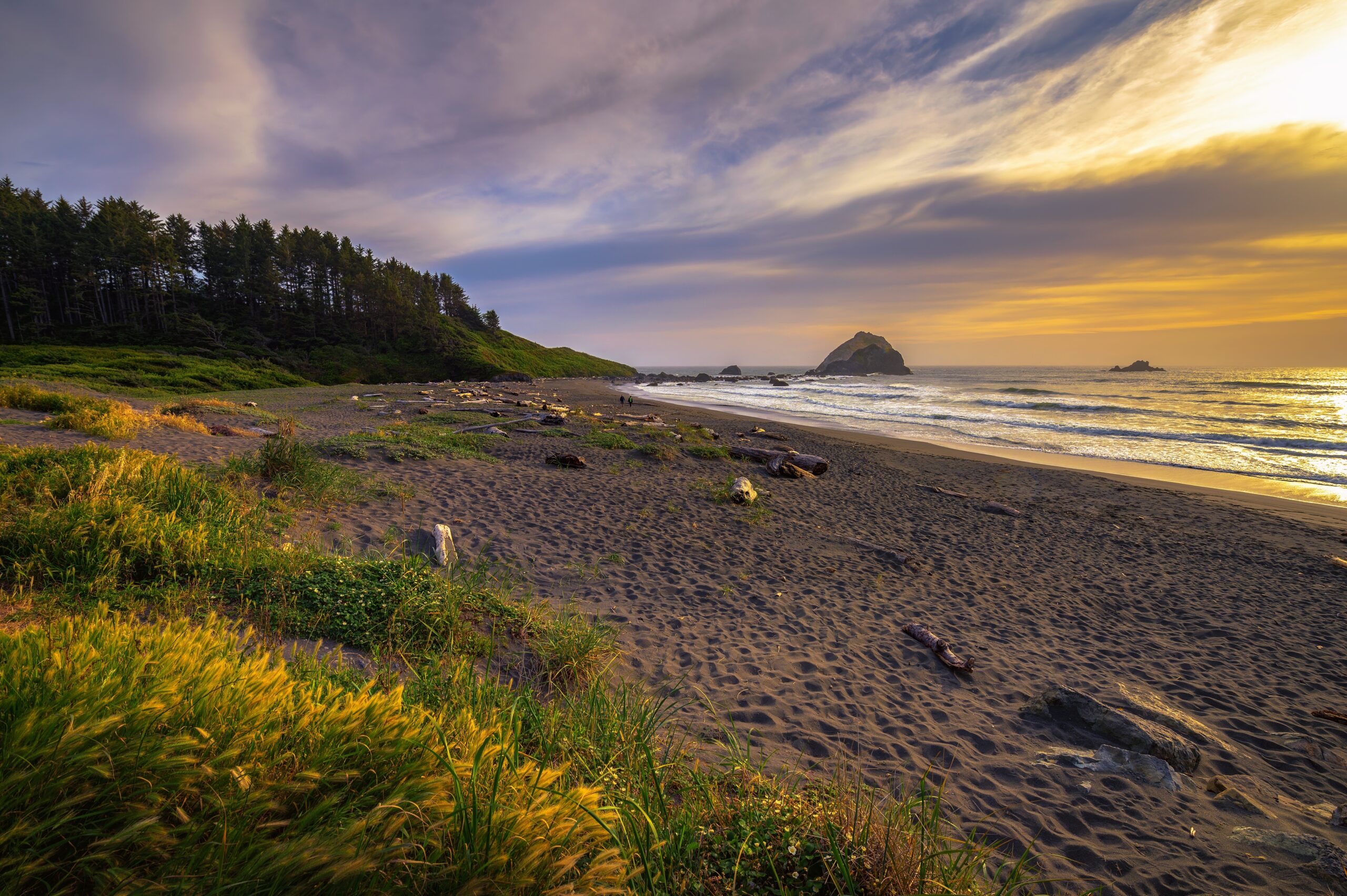
Redwood National Park is known for its beauty and calm atmosphere, but many water features can change quickly and without warning. Some of the most serious drownings or near-drownings happen in places that look safe at first glance:
- Rivers and creeks where strong currents run beneath smooth surfaces.
- Coastal beaches affected by tides, waves, and sudden cold water exposure.
- Shorelines and access points without lifeguards or physical barriers.
- Campgrounds located close to water with open access and minimal signage.
- Remote swimming areas where emergency help takes time to arrive.
These spots are often popular because they feel peaceful and untouched, which can make hidden risks harder to see until something goes wrong.
Frequently Asked Questions
How do I know if someone was actually at fault?
Fault usually depends on whether unsafe conditions existed and whether they should have been addressed ahead of time. That’s not always obvious right away.
What should I do after a near-drowning?
Get emergency medical care immediately, notify park staff, and document the area when possible. Even if the person seems okay, delayed complications can happen.
Does the location inside a national park really matter?
Yes. National parks follow different legal rules and timelines, and those differences can impact how—and whether—a claim can move forward.
Talk to Maison Law After a Drowning Accident Near Redwood National Park
A drowning or near-drowning near Redwood National Park can permanently change how a family feels about a place that was supposed to be relaxing or memorable. At Maison Law, our Redwood National Park personal injury team can guide you through the process and help you move forward. Set up a free consultation today to talk through your options.
