Maison Law can help you if you’re hurt in a car accident in or around Redwood National Park in California. When you’re driving to a campsite or just cutting through the park along Highway 101, you could be involved in a car accident. That doesn’t make the aftermath any easier, especially when the government is involved. Our team will be there with you from the start with guidance. Set up a free consultation today to talk through your options.
Why Would I Need a Lawyer?
Even the peaceful surroundings of Redwood National Park can hide serious car accident risks. One moment you’re enjoying the scenery; the next, a curve, slippery road, or unexpected wildlife crossing can turn your drive into a dangerous situation.
Still, not every car accident needs a lawyer. Minor fender-benders with no injuries may be handled through insurance. But accidents in the Redwoods are complicated by:
- Federal or state road maintenance with overlapping responsibility
- Lots of tour and rental vehicles
- Desolate stretches of road
That’s when you need help, and that’s where our team can step in to:
Figure out who is actually responsible for your crash
- Collect reports, photos, and evidence while it’s still fresh
- Deal with insurance companies and adjusters so you don’t have to
- Make sure you don’t miss deadlines, which can be tighter on park roads
Even if you’re unsure, speaking with someone who knows Redwood accidents can save time, stress, and confusion. It doesn’t mean you’re filing a lawsuit—it just means you know your options.
Where Do Car Accidents Happen in Redwood National Park?
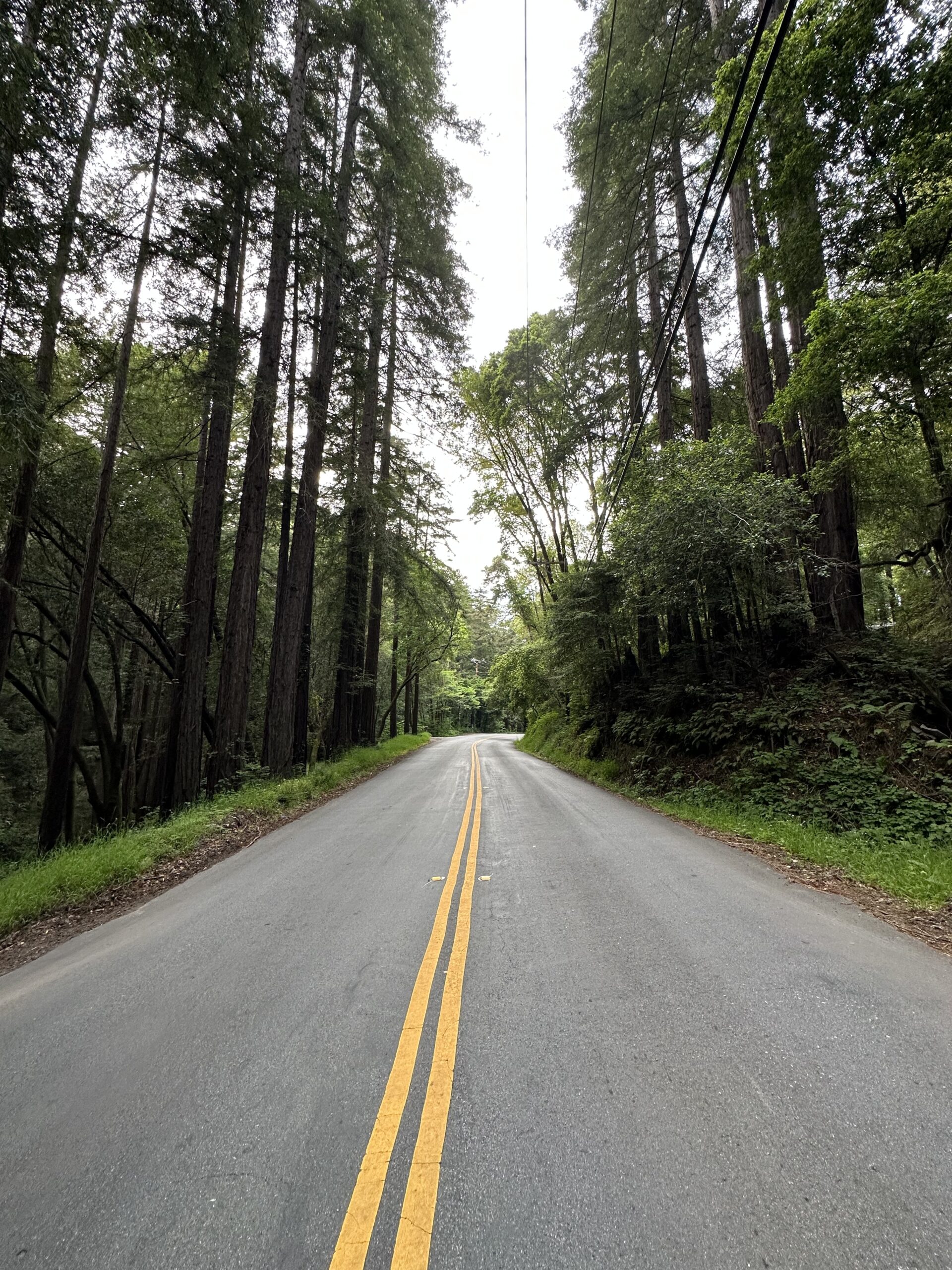
Some parts of the Redwoods feel so serene it’s hard to imagine danger. But the truth is, accidents can happen anywhere—from high-speed stretches of Highway 101 to quiet campground access roads. Still, there are certain spots that see accidents over and over again:
- Highway 101 stretches. This highway cuts through the park and features winding sections with curves, narrow lanes, and limited shoulders. Fog and low sunlight can reduce visibility.
- Newton B. Drury Scenic Parkway. While scenic, the parkway’s twists, turns, and shaded areas can hide hazards like wet pavement or fallen branches.
- Trailhead parking lots. Many accidents occur in small lots where vehicles, pedestrians, and cyclists converge, often with limited visibility.
- Campground access roads. Roads to Gold Bluffs Beach, Jedediah Smith, and other campgrounds can be narrow and crowded, increasing collision risks.
- Coastal access roads. Roads near coastal areas may become slick from rain or morning fog, and wildlife can appear suddenly.
As you’ll find out, the location of your particular car accident is everything. That’s going to give you a clue as to what your options are moving forward. But at least initially, you’ll want to focus on getting evidence at the scene.
What Evidence Should I Look For After My Car Accident?
After an accident, your priority is safety and medical care—but the moments afterward are crucial too. In the Redwoods, where roads twist through dense forests and cell service can be spotty, the evidence you collect can make a big difference later. Here’s what you should look for:
- Pictures and videos. You’ll want to take numerous pictures/videos of the accident scene, vehicle damage, skid marks, road conditions, guardrails, signage, and environmental factors like fog or wet leaves. Of course, only take these if it’s safe and if you’re able.
- Official accident reports. Police, CHP, or ranger reports can provide an unbiased account of what happened. We can help you get this report later.
- Witness information. Other drivers, hikers, cyclists, or campers may have seen the accident—or even if they were involved directly. Get names, phone numbers, and any brief statements they can give.
- Medical records. Even minor injuries should be recorded—hospital visits, follow-ups, therapy, or prescriptions can all support your claim.
If you weren’t able to get everything at the time, don’t worry. Our team can help track down ranger logs, maintenance records, and emergency dispatch notes to piece together what happened. From there, though, you need to understand how the claims process works.
Can I File an Injury Claim After a Car Accident in Redwood National Park?
Filing a claim after a Redwood car accident can feel complicated for all the reasons we’ve talked about. But understanding your options early can save time, stress, and uncertainty. Basically, your rights and options don’t change with a car accident near the park—just the way you file your claim:
- Federal Tort Claims Act (FTCA). If the National Park Service maintained the road or facility where the accident happened, you have to file a claim through the FTCA. This requires filling out Standard Form 95. The agency then has up to six months to investigate and respond.
- California Tort Claims Act (CTCA). If a state or local agency is responsible for the road, trail, or parking area, where your accident happened, you can file a claim through the CTCA. The process is a bit different, though:
- You have six months from the date of the accident to file a Notice of Claim.
- Your damages have to be more than $10,000.
- The state has 45 days to respond.
- Private claims. If another driver or private company caused the accident, you can file a standard personal injury claim through insurance or a lawsuit.
No matter what kind of claim you need to file, the goal is the same: recover damages like:
- Current and future medical expenses
- Lost income or lost earning potential
- Car repair/replacement costs
- Pain and suffering
- Emotional distress
- Reduced quality of life
- Funeral or burial expenses after fatal accidents
Like any other car accident claim, your damages are going to be based on your injuries. But again, car accidents in Redwood National Park or the surrounding area are going to be a bit more complicated. A good way to cut through that, though, is to understand who pays for these damages.
Who Pays For My Damages After a Car Accident in Redwood National Park?
When you’re hurt in a car accident, the big question is often: who’s going to pay for this? In Redwood National Park, responsibility isn’t always obvious. But the standard is still the same: negligence. With that, here’s who’s usually responsible for your damages:
- Other drivers. If someone else caused the crash, their insurance may cover your medical bills and property damage.
- Government agencies. The National Park Service or California State Parks may be responsible if poorly maintained roads, missing signage, or fallen debris contributed.
- Private companies. Rental vehicles, tour operators, or other businesses could be liable if their equipment or actions played a role.
Accidents in the Redwoods bring a lot of uncertainty, especially when it comes to responsibility. But as far as you go, your focus should be on your health and moving forward. Our team can help you do that.
Frequently Asked Questions
What if another driver hit me and left the scene?
Report it to park rangers or the CHP right away. Our lawyers can help track evidence and guide you on recovering damages even if the driver isn’t found.
Can the park or government be responsible for my accident?
Yes. If road hazards—like missing guardrails, fallen branches, or slick curves—contributed, the agency maintaining the road could share liability.
Do accidents in parking lots or trailheads count?
Absolutely. Collisions in lots, access roads, or near campgrounds are still valid accidents. Photos, witness info, and reports help support your claim.
Move Forward With Maison Law After a Car Accident Near Redwood National Park
Redwood National Park is meant for exploration and enjoyment, not injuries, medical bills, and uncertainty. If your drive ended in a car accident, you don’t have to go through it alone. At Maison Law, our car accident lawyers will look into your situation and walk you through the process so you can focus on getting better and moving forward. Set up a free consultation today to get started.
