Maison Law can help you through the claims process when you’re hurt on the job at a Carbon California Operating Company oil field. It’s no secret that working in an oil field carries risks. You’re around heavy equipment, pressurized systems, and moving crews—all of which require precision and focus to keep everyone safe. But even when you’re careful, things can still go wrong. When it does, our team will be there to support you. Set up a free consultation today to talk about your options.
Do I Need to Talk to a Lawyer?
You might be wondering if talking to a lawyer is really necessary. After all, you were just doing your job, and the company should take care of things, right? Unfortunately, it’s rarely that simple—especially in your situation.
Carbon California’s operations include a lot of moving parts–and multiple contractors, subcontractors, suppliers, and crews. That means your injury might involve several different companies and insurance policies. Trying to sort that out on your own can feel overwhelming, and that’s exactly why it helps to talk to our team. We can help you by:
- Explaining your rights and which types of claims apply to your situation.
- Getting safety records, maintenance logs, and inspection reports to understand what went wrong.
- Handling talks with the companies and insurance carriers involved so you don’t get buried in paperwork or pressured into early decisions.
- Filing and tracking your claim, keeping things organized from start to finish.
- Making sure you aren’t rushed back to work or into a settlement before you’re ready.
Our goal isn’t to stir up trouble—it’s to make sure you’re not left trying to navigate a complex process while you’re still recovering.
What Should I Keep Track of After an Oil Field Accident?
When you’re hurt on the job at a Carbon California oil field, the last thing you’re thinking about is documentation. But once you’ve gotten medical care and things start to settle, keeping track of a few key details can make your claim stronger later. Here’s what can help:
- Medical records. Keep copies of doctor visits, test results, or therapy notes. They show how serious your injury is and how much it’s affected your ability to work and recover.
- Photos or videos. If you’re able, snap a quick photo of the area or the equipment involved—or even your injuries. Sometimes a picture says more than a long report ever could.
- Pay stubs or timesheets. Hang onto pay stubs or timesheets. These help show when you were off work and how much income you lost because of the injury.
- Notes about unsafe conditions. If something seemed off—like a slick surface, a missing guard, or a leak that had been ignored—make a note of it while it’s still fresh in your mind.
- Texts or emails about the accident. If you texted your supervisor or got follow-up messages from HR, save those. They can help show how quickly the accident was reported and what steps were taken afterward.
- Statements. If anyone saw what happened, write down their names. Their memories can help back up your story later, especially if there’s any confusion about how things unfolded.
Don’t worry if you don’t have all of this figured out right away—that’s what we’re here for. We can help track down official reports, safety logs, and even surveillance footage if it exists. The more complete the story we can build, the stronger your claim will be. But this brings up another question: what kind of claim will you file?
What Kind of Claim Will I Need to File?
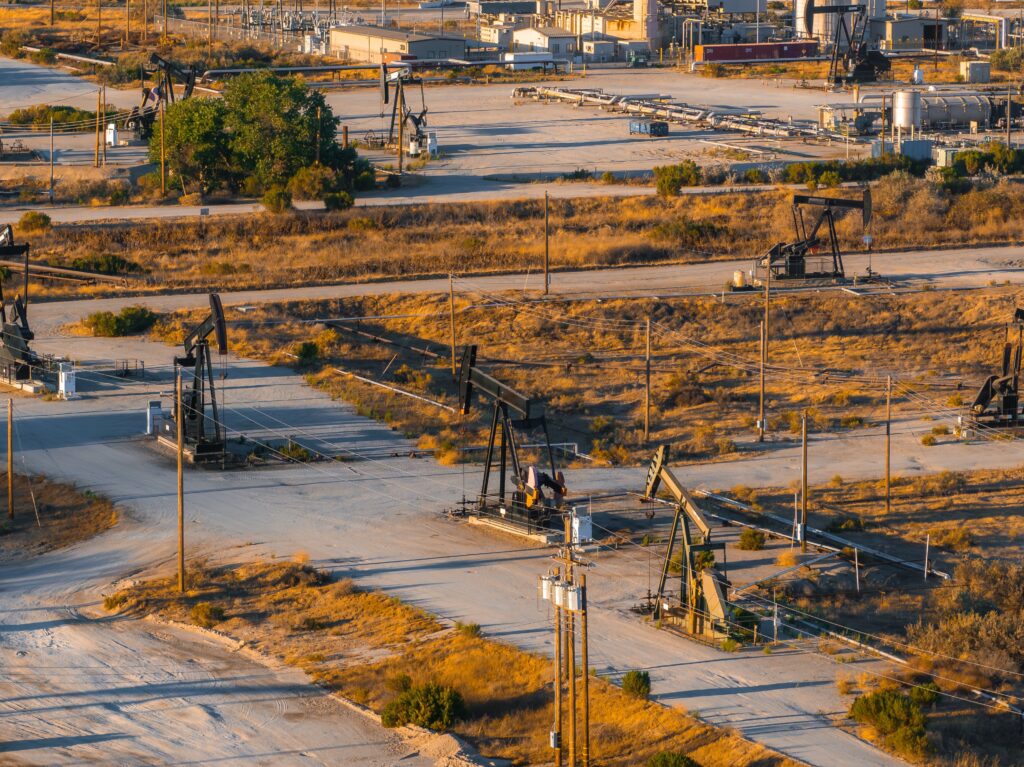
Carbon California’s fields aren’t small or quiet—they’re big, busy worksites in places like Kern County and Coalinga. You’ve got lots of moving parts and lots of people: contractors, equipment suppliers, and maintenance crews all working side by side.
So when someone gets hurt, it’s not always easy to tell what happened—or who’s supposed to take responsibility. Those details matter because they shape what kind of claim you can file and which insurance policy should cover it. Here’s what that usually comes down to:
- Workers’ compensation claim. This is the most common path if you’re a full-time employee. It’s designed to cover your immediate needs, and all you have to do is submit a claim form to your employer (and their workers’ comp insurance carrier.) Once it’s accepted, you’ll start receiving benefits that cover:
- Your medical care, including hospital visits, physical therapy, and medication.
- A portion of your lost income if you’re unable to work or placed on light duty.
- Temporary or permanent disability benefits if you’re more seriously injured.
A workers’ comp claim doesn’t require you to prove fault—but the process can still be frustrating when claims get delayed or even denied. That’s when your other options come into play.
- Injury claim. If someone outside your company—say, an equipment manufacturer, contractor, or another crew—played a part in your accident, you might be able to file a separate injury claim against them. This type of claim can cover things workers’ comp doesn’t, including:
- Ongoing medical expenses beyond what insurance pays
- Full lost income, not just a percentage
- Pain and suffering, both physical and emotional
- Reduced quality of life if you’re unable to do what you used to
- Wrongful death expenses, if a loved one was killed in a field accident
Sometimes both types of claims apply—but timing matters. If filing for workers’ comp, you have to:
- Report your accident within 30 days.
- File your claim within one year of the accident.
For an injury claim, you only have two years to file. That’s another reason why it helps to have a lawyer guide you from the start, so no deadline or opportunity slips by.
Why Do Accidents Happen at Carbon California Operating Oil Fields?
Working in an oil field is demanding and fast-paced. Even when everyone follows safety rules, accidents can still happen. These aren’t unique to Carbon California sites, but it’s still helpful to look at a few common factors that often come up:
- Equipment issues. Machinery and tools at these sites are complex and heavy-duty. If something isn’t maintained properly or fails unexpectedly, it can create serious problems.
- Human error. Long shifts, fatigue, or miscommunication between crews can lead to mistakes that result in injury.
- Unsafe conditions. Slippery surfaces, exposed wiring, missing guardrails, or poorly marked hazards can all contribute.
- Skipped or ignored safety. Multiple companies on-site. With contractors, suppliers, and service crews all working together, it’s easy for safety gaps to appear.
Understanding why an accident happened is key to figuring out who’s responsible and what types of claims make sense. That’s where we step in—to help piece together the details and build a clear picture for your claim.
Frequently Asked Questions
Will I have to go to court?
It depends, but most claims settle without ever going to court. However, we’ll be prepared if it does go to court.
Can I still file an injury claim if my workers’ comp claim is denied?
Yes. While the two are related, they’re not disqualifying. An injury claim only requires that you show negligence, so even if the company disputes your injuries, that doesn’t mean you can’t file a civil claim.
What if someone else’s equipment caused my injury?
If faulty equipment played a role, you might have a separate personal injury claim against the manufacturer or contractor responsible.
Talk to a California Oil Field Injury Lawyer
If you were injured while working at a Carbon California Operating Company site, you don’t have to handle it all on your own. Between the medical recovery, lost wages, and insurance red tape, it’s a lot to manage—especially when you’re trying to get back on your feet.
At Maison Law, we’ll walk you through your options, build a strong claim, and make sure you understand every step before it happens. Reach out today to set up a free consultation.
