Maison Law’s Madera premises liability lawyers help people who’ve been injured in slip and fall accidents on city, county, or state property. A slip and fall can happen anywhere in Madera—sometimes in places you don’t give a second thought. A courthouse entrance. A public sidewalk. A park path you’ve walked dozens of times. When that fall happens on government property, things get more complicated fast. We can help you through it. Set up a free consultation today.
Why Would I Need a Lawyer?
When a slip and fall happens on government property in Madera, the rules change quickly. Your rights don’t disappear—but the process moves faster and comes with stricter deadlines than a normal injury case. That’s usually where people start feeling overwhelmed. This is where having guidance can make things easier. Our lawyers can help by:
- Looking into what likely caused the fall
- Explaining how California law applies to government-owned property
- Figuring out which city, county, or state agency is actually responsible
- Preserving evidence before the hazard is repaired or cleaned up
- Tracking deadlines that don’t exist in regular slip and fall cases
Not every slip and fall requires a lawyer. But when the government is involved, things tend to move whether you’re ready or not. Reports get filed. Repairs happen. And once that clock starts ticking, getting clear answers early can make a real difference.
What Details Can Help After a Slip and Fall on Government Property?
Slip and fall accidents happen fast. It’s normal to feel shaken or unsure about what to do next. Your health always comes first. Once you’re safe, though, a few details can make a real difference later—especially when government property is involved.
- The accident report. Many government buildings and public spaces in Madera have staff, security, or maintenance crews who create incident reports. These help show when and where the fall happened and that the responsible agency was notified.
- Medical records. Emergency room visits, urgent care records, imaging, follow-up appointments, physical therapy—all of it helps connect your injuries to the fall and shows how serious the impact has been.
- Photos or video of the scene. If you’re able, photos matter. Capture the hazard itself—uneven pavement, pooled water, broken steps—as well as lighting, signage, and surrounding conditions. On government property, hazards are often fixed quickly.
- Your own notes. Write down what you remember while it’s still fresh. Where you were walking. What caused you to fall. How your body felt right afterward.
- Witness information. If anyone saw what happened, getting their name and contact information can help fill in gaps later.
None of this guarantees a successful claim. What it does is give you a solid foundation, which is vital in these types of situations. More importantly, it preserves your options—and on government property, that’s important.
Where Do Slip and Fall Accidents Happen on Government Property in Madera?
In Madera, most slip and falls on government property don’t happen in strange or out-of-the-way places. They happen in spots people use all the time—places you’ve probably walked through dozens of times without thinking much about it. Here’s where these types of accident susually happen:
- City offices near Gateway Drive and Cleveland Avenue, where people are coming and going all day. Entryways get slick, concrete settles unevenly, and small changes in the surface can catch you off guard when you’re focused on getting inside.
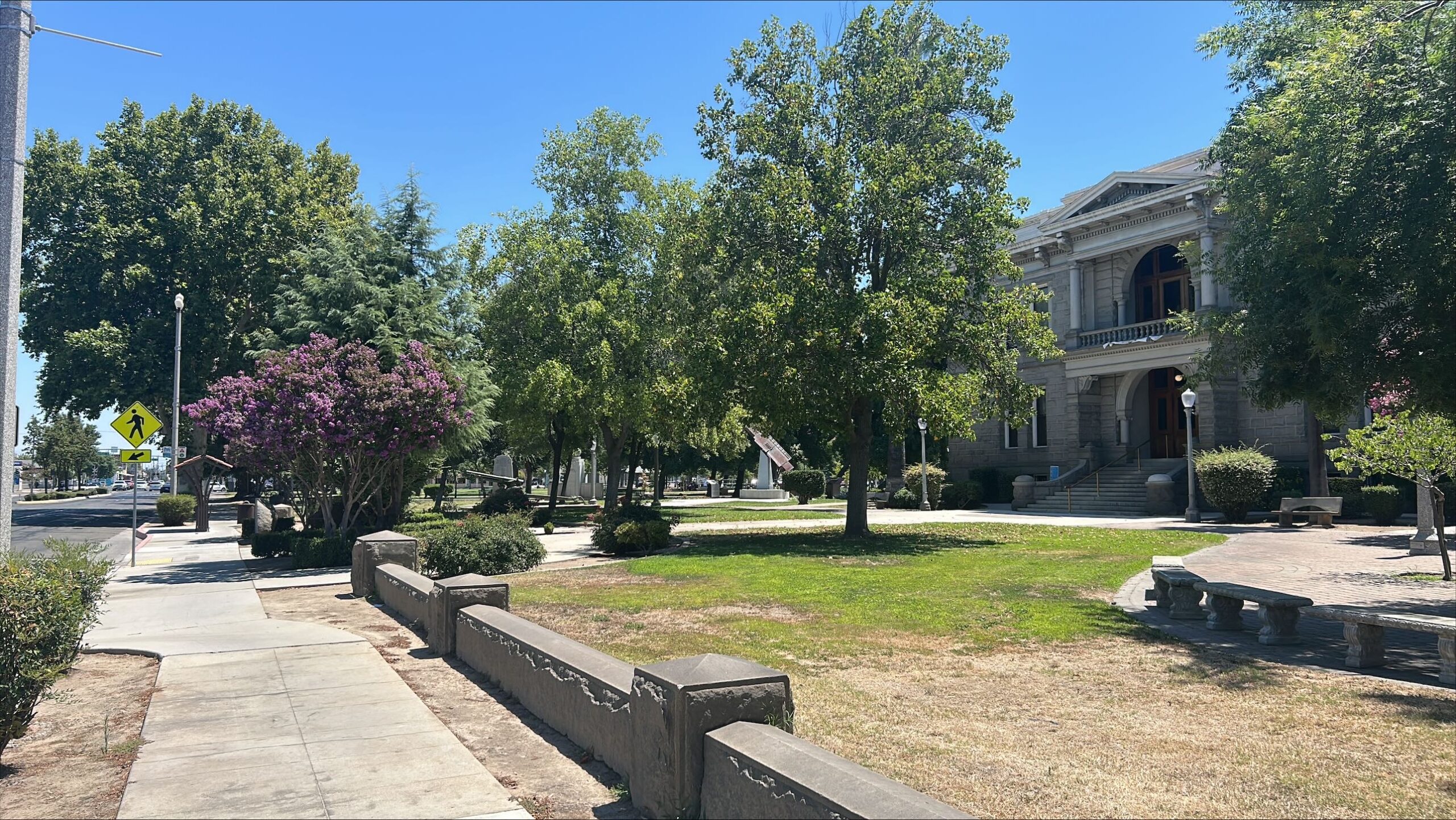
- Madera County Superior Court—especially on the sidewalks leading in from public parking or near the entrances. People are often distracted, running late, or dealing with stress, which makes cracked pavement or a bad curb ramp more dangerous than it looks.
- Sidewalks along Yosemite Avenue, Lake Street, and Gateway Drive are another common problem area. Over time, concrete shifts, patches wear down, and repairs don’t always line up cleanly. You’re just walking along, and suddenly your foot catches on something that shouldn’t be there.
- Falls also happen inside and around public buildings like the Madera County Library and other community spaces. A freshly mopped floor, poor lighting between aisles, or a worn step can turn a quiet visit into a painful one—especially when there’s no warning sign in sight.
- Madera Unified School District campuses are another place people don’t expect to get hurt. Parents dropping off kids, attending events, or walking across campus after hours often deal with cracked walkways, outdoor stairs, or temporary construction zones that aren’t well marked.
- City parks and recreation areas, like Lions Town and Country Park. Uneven paths, raised concrete from tree roots, slick restroom floors, or worn picnic areas are all things people encounter while just trying to enjoy the space.
- Even parking lots tied to government buildings can be an issue. Poor lighting, uneven pavement, broken curbs, or faded markings don’t always stand out—until you’re on the ground wondering what happened.
What all of these places have in common is pretty simple: the hazard usually didn’t pop up overnight. It was there long enough that someone should’ve noticed and fixed it—or at least warned people. When that doesn’t happen, and someone gets hurt, that’s when questions about responsibility start to matter.
Who Can Be Responsible for a Slip and Fall on Government Property?
Even when a fall happens on government property, it’s still a premises liability claim. The core question stays simple:
- Did the property owner or manager know about the hazard, or should they reasonably have known, and fail to fix it or warn people?
So it depends on the location, but responsibility might fall on the:
- City, county, or state agency
- School district or public campus system
- Private company hired to maintain the property
- Outside contractors handling cleaning, repairs, or construction
Sorting this out isn’t easy. Agencies often point fingers, and records matter. That’s where having someone dig into maintenance logs, contracts, and reports can make a difference. But it’s also important because the actual claims process differs when the government is involved.
What Are My Options for Filing a Slip and Fall Claim Against the Government?
Slip and fall injuries can linger longer than people expect. Add government rules to the mix, and the process can feel overwhelming. California law still gives you options—it just works differently. Government property claims fall under the:
- California Tort Claims Act (CTCA).
A CTCA claim requires:
- A formal notice of claim filed within six months of the injury
- Damages that exceed $10,000
- A response period where the government has 45 days to investigate
Missing that six-month deadline can end a claim before it starts. This is where many people lose options without realizing it—because they’re focused on recovery and assume they have more time. But if everything is handled correctly, the government can pay for your damages that include:
- Medical expenses, now and ongoing
- Lost income or reduced ability to work
- Damaged personal property
- Physical pain and long-term limitations
- Emotional distress
- Changes to daily life and independence
In some cases, a fall happens on government property but a private company is actually responsible. When that happens, the timeline and process look more familiar, with up to two years to file a claim. Either way, having early guidance and support matters, and our team will be with you from the start.
Talk With Maison Law About a Madera Government Property Slip and Fall
A slip and fall on government property feels especially frustrating. You were walking where the public is expected to walk. When injuries linger or bills start stacking up, it helps to understand your options before time quietly runs out.
At Maison Law, we focus on making things easier, not harder. We’ll walk you through what applies to your situation and help you decide what makes sense for you. If you were hurt on government property in Madera, set up a free consultation today and let us help you through the process.
