
Maison Law’s Hanford premises liability lawyers can help you if you’re hurt in a slip-and-fall accident on government property. You’re not doing anything differently—you’re just walking where you always do. But government property is like anything else. A broken sidewalk, raised tile at the courthouse, or a wet floor in city hall can cause a slip-and-fall. We can help you through what comes next. Set up a free consultation today.
Why Would I Need a Lawyer?
Most people don’t think about calling a lawyer after a slip and fall—at least not right away. They’re thinking about pain, swelling, whether they can keep working, or how long it’s going to take to feel normal again. That hesitation makes sense.
But when the fall happens on government property, the process starts moving quietly in the background. Reports may already be written. Maintenance crews may already be scheduled. And deadlines that don’t exist in regular injury cases are already ticking.
That’s usually where having guidance helps—not because you’ve decided to file a claim, but because you want to understand what you’re dealing with before options disappear. We can help you by:
- Looking closely at what actually caused the fall, not just what it seemed like at first
- Explaining how California law treats injuries on public property
- Figuring out which government agency controls the exact spot where you fell
- Figuring out whether a private contractor or maintenance company is involved
- Getting and keeping evidence before repairs or cleanup erase it
- Making sure strict government claim deadlines aren’t missed
- Handling the paperwork and back-and-forth so you can focus on getting better
Not every slip and fall needs a lawyer. But when the government is involved, waiting too long or assuming you have plenty of time is one of the most common ways people lose options without ever realizing it.
Where Do Slip-and-Fall Accidents Happen on Government Property in Hanford?
There’s nothing inherently risky about government property. After all, a courthouse is just a building, a park is still a park, and a sidewalk is still a sidewalk. That means it’s fairly easy to overlook a slip-and-fall risk. But it’s also about being prepared and knowing what to watch out for. Here’s where most slip-and-falls happen on government property in Hanford:
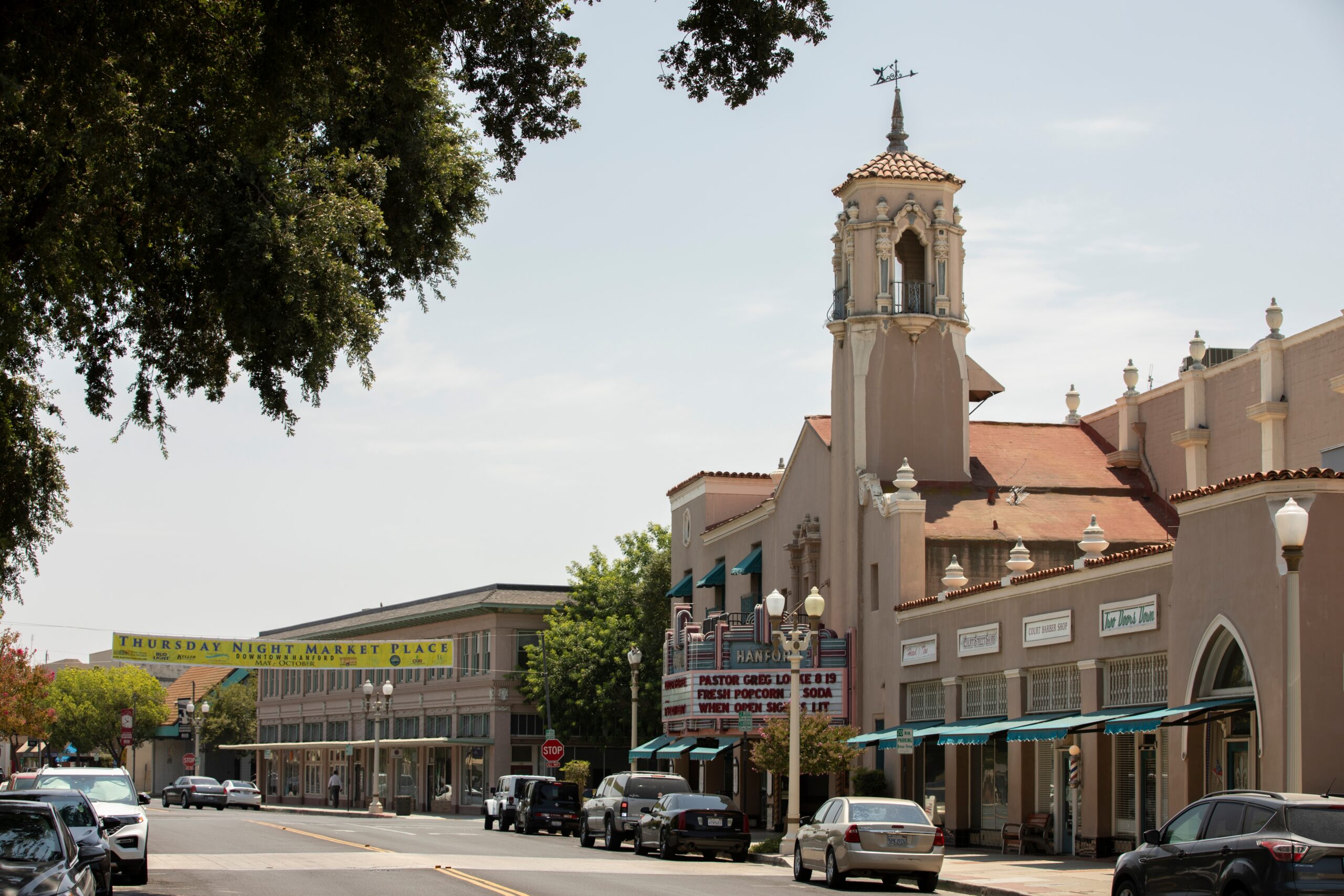
- Downtown government buildings, especially around Irwin Street and Seventh Street. You’re focused on getting inside, finding the right office, or heading back to your car. A slick entryway, uneven concrete, or awkward step near a door doesn’t give much warning.
- Around the Kings County Superior Court, particularly the sidewalks between public parking and the entrances. People are stressed, distracted, or running late. A cracked slab or bad curb ramp doesn’t seem like a big deal—until it stops your foot cold.
- Sidewalks along Lacey Boulevard and nearby downtown streets, where concrete has shifted over time and old repairs don’t quite line up anymore. You’re just walking where you’re supposed to walk, and suddenly the ground isn’t level.
- Inside public buildings like the Hanford Branch Library and others. Maybe the floor was just cleaned. Maybe the lighting’s a little dim. Maybe a stair edge is more worn than it looks. None of it jumps out—until you lose your balance.
- Hanford High School or San Joaquin Valley College, where parents are dropping off kids, attending events, or crossing campus after hours. Outdoor stairs, cracked walkways, and temporary construction zones are easy to miss when you’re focused on where you’re going.
- Parks and recreation areas, including Civic Park. People are relaxed, not watching their step. Tree roots push up pavement, restroom floors get slick, and picnic areas wear down over time.
- Parking lots tied to government buildings, where lighting is poor, curbs are chipped, or pavement has settled unevenly. These are often the last places people expect to fall—right when they’re getting in or out of their car.
What all of these spots have in common is this: the problem usually didn’t show up overnight. It was there long enough that someone should’ve noticed it and dealt with it—or at least warned people. When that doesn’t happen, and someone gets hurt just going about their day, that’s when responsibility starts to matter.
Who’s Legally Responsible When There’s a Slip-and-Fall on Government Property?
Even though the property is publicly owned, these cases are still based on premises liability. The core question stays the same:
- Did the party responsible for the property know—or should they reasonably have known—about the dangerous condition and fail to fix it or warn people in time?
What makes government cases harder is figuring out who that responsible party actually is. There’s a lot of people involved—even more than usual—but the legal responsibility usually falls on:
- A city, county, or state agency
- A public school district or campus system
- A private maintenance or property management company
- Outside contractors handling cleaning, repairs, or construction
- Security providers responsible for monitoring conditions
Government property is often maintained through layers of contracts. One entity owns the property. Another handles maintenance. Another oversees inspections. When someone gets hurt, those groups don’t always agree on who dropped the ball. Sorting that out usually takes records, maintenance logs, contracts, and evidence showing how long the hazard existed. It’s rarely obvious just by looking at the property.
What Kind of Claim Do I File After a Slip-and-Fall on Government Property?
Most slip and falls on government property in Hanford fall under the California Tort Claims Act (CTCA). This law doesn’t take away your right to seek financial recovery—but it does change how the process works. Under the CTCA:
- You generally must file a formal notice of claim within six months of the injury
- Missing that deadline can bar the claim entirely, even if the fall was preventable
- Your damages must exceed $10,000
- The government then has 45 days to investigate and respond
This shorter timeline catches a lot of people off guard. They focus on medical care and assume they have time, only to find out later that the window has already closed. When the process is handled correctly, a successful claim may help cover things like:
- Medical bills and ongoing treatment
- Future care or physical therapy needs
- Lost income or reduced ability to work
- Damage to personal property
- Physical pain and long-term limitations
- Emotional distress and changes to daily life
In some situations, the fall happens on government property, but a private company is actually responsible. When that’s the case, the claim may follow a more typical injury timeline. The key is figuring that out early—before the wrong deadline passes.
Set Up a Free Consultation After a Slip-and-Fall on Government Property in Hanford
A slip and fall on government property can be frustrating in a very specific way. You weren’t doing anything unusual. You were just walking where the public is expected to walk. When injuries linger, work gets missed, or everyday movement becomes harder, it helps to understand your options before time quietly takes them off the table.
At Maison Law, we help people in Hanford make sense of government property slip and fall claims. We focus on clarity, timing, and making the process easier to manage. If you were hurt on government property and want to talk through what comes next, we’re here to listen—starting with a free consultation.
