
Maison Law can help you through the claims process when you’re hurt in a slip-and-fall accident on government property in Glendale. Any slip-and-fall is tough to deal with, but when it happens somewhere that’s owned and operated by the government, it makes the aftermath even more complicated. Our premises liability lawyers will be there to support you. Set up a free consultation today.
Should I Get a Lawyer?
Not every slip-and-fall needs a lawyer. Some people fall, heal up, and move on. But when the fall happens on government property, things start moving in the background whether you realize it or not. What that means for you is that you don’t have a lot of time.
So, the main reason you should get a lawyer is because we can slow things down. This helps you answer important questions like:
- What caused the fall?
- How long was the hazard there?
- Who was responsible for fixing it?
- What rules apply to your situation under California law?
Just because the timeline is shortened in these types of cases doesn’t mean you’re out of options. But it’s more about acting quickly—especially right after the accident happens.
What Evidence Should I Try to Gather After a Slip-and-Fall?
Slip-and-falls don’t give you much warning. One moment you’re walking, the next you’re on the ground wondering what just happened. If you’re hurt, your health comes first. That always matters more than documentation. Once things settle, though, a few details can make a real difference for you:
- Photos are a big one. If you’re able, try to capture what caused the fall itself. Cracked concrete. A slick surface. A broken curb ramp. Lighting matters too. So do warning signs—or the lack of them. On public property in Glendale, hazards are often repaired quickly once they’re reported.
- Medical records are another key piece. Emergency room visits, urgent care notes, follow-ups, physical therapy—those records help show how the fall affected you and connect the injury back to that moment.
- Incident reports. If the fall happened near a government building or inside one, there should be an incident report. City offices, libraries, and public facilities often document accidents even when no one mentions a claim.
- Write things down while they’re still fresh. Your own memory matters. Where you were walking. What your foot caught on. How your body felt right afterward. Small details tend to fade faster than people expect.
None of this guarantees anything. But on government claims, preserving options is half the battle. But as you’ll find out, where the accident actually happened is very telling.
Where Do Slip-and-Falls Usually Happen on Government Property in Glendale?
Government property isn’t immune from slip-and-fall risks. In fact, there’s certain parts of the city where slip-and-falls are even more common. Here’s where they usually happen:
- City offices and public buildings around downtown Glendale see constant foot traffic. Entryways get slick. Floor transitions wear down. Concrete settles unevenly near doors where people are focused on getting inside, not watching their footing.
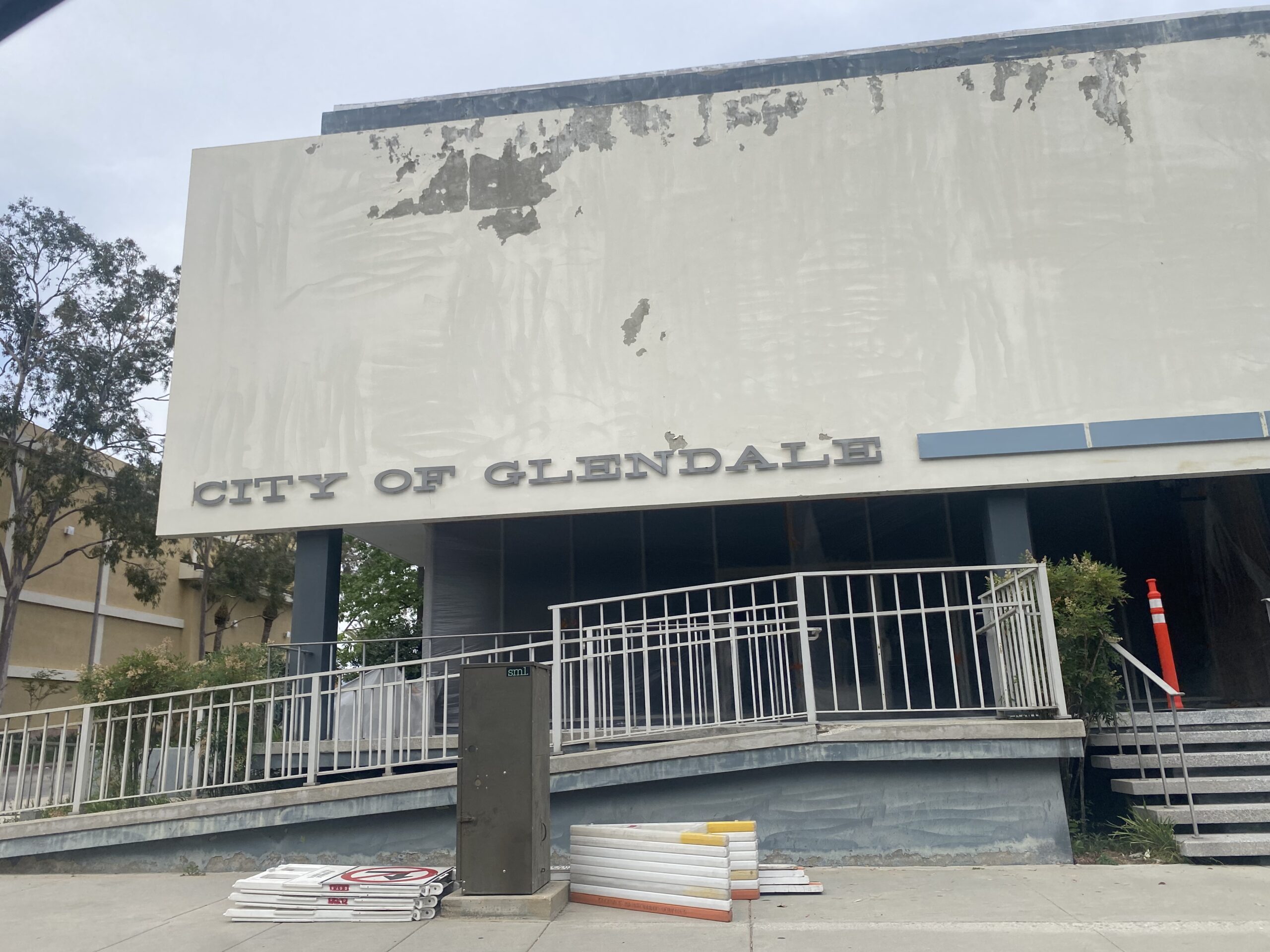
- The Glendale Civic Center and nearby parking lots and garages are another common spot. People are often distracted—thinking about appointments, meetings, or errands they need to run next. A cracked curb or uneven ramp doesn’t look like much until it sends someone off balance.
- Public sidewalks along Brand Boulevard and surrounding streets create their own risks. Older concrete, tree roots, and patchwork repairs don’t always line up cleanly. These sidewalks are often maintained by the city, not private businesses, which changes how responsibility works.
- Libraries and community centers also see their share of falls. The Glendale Central Library and neighborhood branches serve seniors, parents with kids, and people carrying books or bags. Recently cleaned floors, worn stair edges, or dim lighting in older areas can turn a routine visit into a painful one.
- School campuses add another layer. Glendale Unified School District properties host games, meetings, and weekend events. Walkways between buildings, drop-off zones, and temporary construction areas aren’t always well marked—especially after hours.
- Parks and recreation areas matter too. Places like Verdugo Park and city-maintained walking paths see families, joggers, and people out for casual use. Uneven pavement, raised concrete from tree roots, slick restroom floors, or worn picnic areas often cause falls when people are relaxed and not expecting trouble.
- Parking lots connected to government buildings can be just as hazardous. Poor lighting, broken curbs, uneven surfaces, and faded markings don’t stand out until someone steps wrong getting out of their car.
Across all of these places, the pattern is usually the same. The hazard didn’t appear overnight. It existed long enough that someone should have noticed and addressed it—or at least warned people.
Who Pays for Damages After a Government Property Slip-and-Fall?
At the heart of any slip-and-fall case is a simple question:
- Who was responsible for keeping the area safe?
Even though your fall happened on government property, liability doesn’t automatically land in one obvious place. In Glendale, responsibility might belong to the:
- City department
- County agency
- State government
- Public school district
In some cases, a private company hired to handle cleaning, repairs, or maintenance is actually the one in charge of the area where you fell. What matters most is whether the responsible group knew—or reasonably should have known—about the fall risk and failed to fix it or warn people. A cracked sidewalk that’s been there for months tells a very different story than something that appeared that same morning. And again, it doesn’t change your options—but it does change the process.
How Does the Claims Process Work After a Slip-and-Fall on Government Property?
A slip-and-fall on government property doesn’t erase your right to file a claim—but it does change how everything works. In California, most of these cases fall under the California Tort Claims Act (CTCA), which comes with a faster timeline and a few extra steps. In most situations, that means you have to:
- File a formal notice of claim within six months of the injury. This deadline is strict. Miss it, and the claim can be shut down completely—even if the fall was preventable and the injuries are serious. The claim itself is a written notice explaining what happened, where it happened, and what losses you’ve suffered. To move forward, your damages usually need to exceed $10,000.
- Give the government time to respond. Once the claim is submitted, the government has up to 45 days to review it, investigate the situation, and decide how to respond. This is where many people lose momentum without realizing it. They focus on healing, assume they have time, and don’t find out about the deadline until it’s already passed.
After that initial claim step, the case starts to look more familiar. Like any other slip-and-fall, it becomes about recovering damages tied to what the injury has actually cost you, including:
- Medical bills, both current and ongoing
- Lost income or reduced ability to work
- Damage to personal items like clothing, shoes, or electronics
- Physical pain and ongoing discomfort
- Emotional stress
- Changes to daily life or independence
The biggest difference is speed. Everything moves faster, which can make it harder to fully understand the impact of an injury—especially if symptoms are still developing. That’s why it’s important to get help early.
Reach Out to Maison Law After a Slip-and-Fall on Government Property in Glendale
When you slip-and-fall on government property in Glendale, your rights don’t change. You still have the ability to recover financial help for your injuries. But as we’ve talked about, the timeline is sped up. That’s why it’s important to reach out to our team at Maison Law early. We’ll explain how the rules apply to your situation and help you figure out what makes sense next. Don’t wait—set up a free consultation today.
