Maison Law can help you if you’ve been hurt at one of the Gilroy area’s RV parks. Spending time at one of these parks is supposed to be low-stress—maybe you’re unwinding under the oak trees, grilling with family, or settling in for a quiet weekend stop. But when something goes wrong on the property, the situation can get complicated fast. That’s where our team can step in and support you. Set up a free consultation today to learn more.
Why Would I Need a Lawyer?
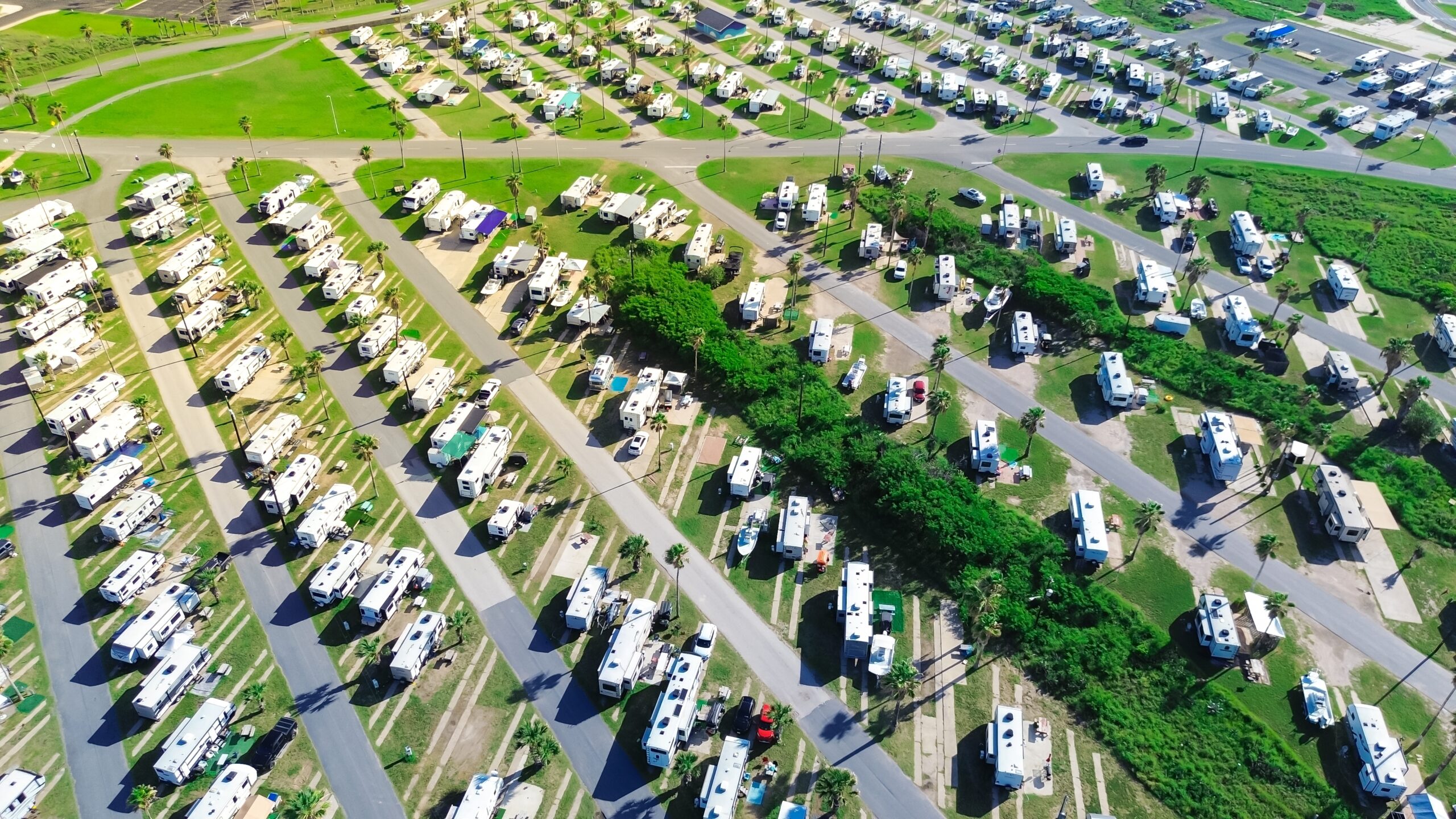
RV parks around Gilroy—whether you’re near Uvas Creek, traveling through the Garlic City area, or staying at a private campground—tend to feel relaxed and community-oriented. But even in a quiet setting, accidents happen. A loose step on a deck, a poorly lit walkway, a broken utility hook-up, or a reckless driver inside the park can change your plans in seconds.
You’re not required to get a lawyer, but it’s worth considering if your injury is more than a minor scrape. RV park accidents can be surprisingly complex because responsibility isn’t always obvious. Our team can make things easier by helping you:
- Figure out who’s at-fault for what happened
- Get important information and evidence
- Handle the paperwork and deadlines
- Handle the back-and-forth with insurance companies
- File a lawsuit, if that’s what it comes to
An injury at a Gilroy RV park can leave you dealing with pain, unexpected bills, and a lot of questions about what you should do next. You shouldn’t have to sort through issues or demands on your own. That’s where our team can step in and help. And that often starts with getting the right information.
What Information Helps Build a Strong RV Park Injury Claim?
One of the last things you’re probably thinking about when you’re hurt in an accident at an RV park is getting “evidence.” But the reality with these accidents is that the details–and information–matter. Here’s what can really help if you need to file a claim:
- Pictures and videos. Pictures of the hazard—like a broken step, exposed wiring, a pothole, or a leaking water line—show the conditions as they were.
- Statements from witnesses. Friends, family, neighbors at the park, or other guests can help fill in details or confirm what you saw.
- Incident reports. Park management, security, or staff should write up a report about what happened. Even if they don’t, ask them to create a record of what happened. If they refuse, write up your own that notes where/when it happened.
- Medical records. Your medical records show the seriousness of the injury, how it’s affecting you, and what doctors expect going forward.
- Maintenance or inspection history. Many RV parks keep maintenance logs or work orders. These can show whether the owner knew about a hazard but didn’t fix it. They likely won’t just give this to you, but they are required to keep them. We can officially make them produce these documents.
Even if you don’t have everything right now, that’s okay. We can help gather the documentation you need to support your claim. While you focus on getting what you can, we can help you move forward in the process. That starts with figuring out what went wrong and who’s responsible.
Who is Usually Responsible for an Accident at an RV Park?
One of the hardest parts of an injury at an RV park is figuring out who actually caused it. RV parks operate like small communities, and several groups play a role in keeping the property safe. Responsibility usually depends on:
- Who had a duty to maintain the area;
- Where you were hurt and whether they failed to take reasonable care.
In most situations, that means liability falls on:
- The RV park owner or property management company. They’re responsible for maintaining safe walkways, utility connections, lighting, parking areas, and common spaces.
- Contractors or maintenance crews. Electrical contractors, landscapers, construction crews, or outside companies hired to maintain the property can share fault if they left unsafe conditions behind.
- Other visitors or RV park guests. Reckless driving inside the park, leaving hazards at a campsite, or unsafe behavior can contribute to an accident.
Understanding exactly who’s responsible matters because it determines who should cover your medical bills, lost income, and other damages. Once liability is clearer, you can start taking the right steps to move your claim forward.
How Is the Claims Process Different for an RV Park Injury?
The reason that the details matter so much in an RV park accident is pretty simple: where and who manages the park itself brings a different claims process. It all comes down to whether the park is privately owned and operated or owned and operated by the government. Here’s how the two processes differ:
- Private RV parks. This process is similar to filing a claim against a business, where you can file an insurance claim out of court or a lawsuit within two years of the accident. With a claim filed, you can get damages.
- Government-owned RV parks. If your accident happened at a government-run site, things move much faster:
- You have only six months to file a government claim.
- You must submit a formal Notice of Claim before pursuing damages.
- The agency has 45 days to accept or reject your claim.
Regardless of who owns the park, you can potentially recover things like:
- Current and future medical costs
- Lost income or reduced earning ability
- Property damage
- Pain and suffering
- Emotional distress
- Decreased quality of life
- Wrongful death–related losses (in the most serious cases)
Because different rules apply depending on ownership, acting quickly is important. You don’t have to navigate any of this alone—we can help identify the right process and get things started.
What Kinds of Accidents Happen Most Often at Gilroy RV Parks?
Given how busy they are, it’s pretty easy to see how accidents happen at RV parks in the area. People are parking large vehicles, walking around at night, setting up equipment, and navigating unfamiliar terrain. But that doesn’t excuse negligence, and that’s what leads to accidents in the first place, usually with:
- Slip-and-fall or trip-and-fall accidents. It doesn’t take much for someone to get hurt—an uneven patch of ground, loose gravel, a cracked walkway, a wobbly step, or a wet community area can easily send a person to the ground and cause serious injuries.
- Electrical and utility issues. RV parks rely on a lot of utility hookups, and when something isn’t maintained—like a faulty power pedestal, exposed wiring, a leaking water line, or a damaged connection—it can quickly become dangerous.
- Campground and recreation injuries. Simple, everyday park features can cause harm when they aren’t kept up. A broken picnic table, an unstable deck, unsafe playground equipment, or a poorly maintained common area can turn a normal day into an unexpected emergency.
- Vehicle and RV-related accidents. Driving inside an RV park can be tricky. Tight turns, narrow roads, low visibility, unclear signs, or even just another guest driving carelessly can lead to collisions.
- Unsafe or unsecured areas. Some parts of an RV park can become unsafe when lighting is poor, security is lacking, or hazards left by other guests go unaddressed, all of which can create conditions where someone gets hurt.
Even injuries that seem minor at first can lead to bigger problems. And the claims process—especially with commercial insurance companies or government agencies—can be difficult without help. That’s when our team can step in.
Get Help After an RV Park Accident in Gilroy
Going to an RV park in Gilroy should be a relaxing, fun time with family and friends. Unfortunately, an accident there can change everything. But it’s not something you have to go through alone.
Our team of RV park accident lawyers at Maison Law are here to make the process easier, step by step. If you’d like to talk about what happened and what your options look like, set up a free consultation today.
