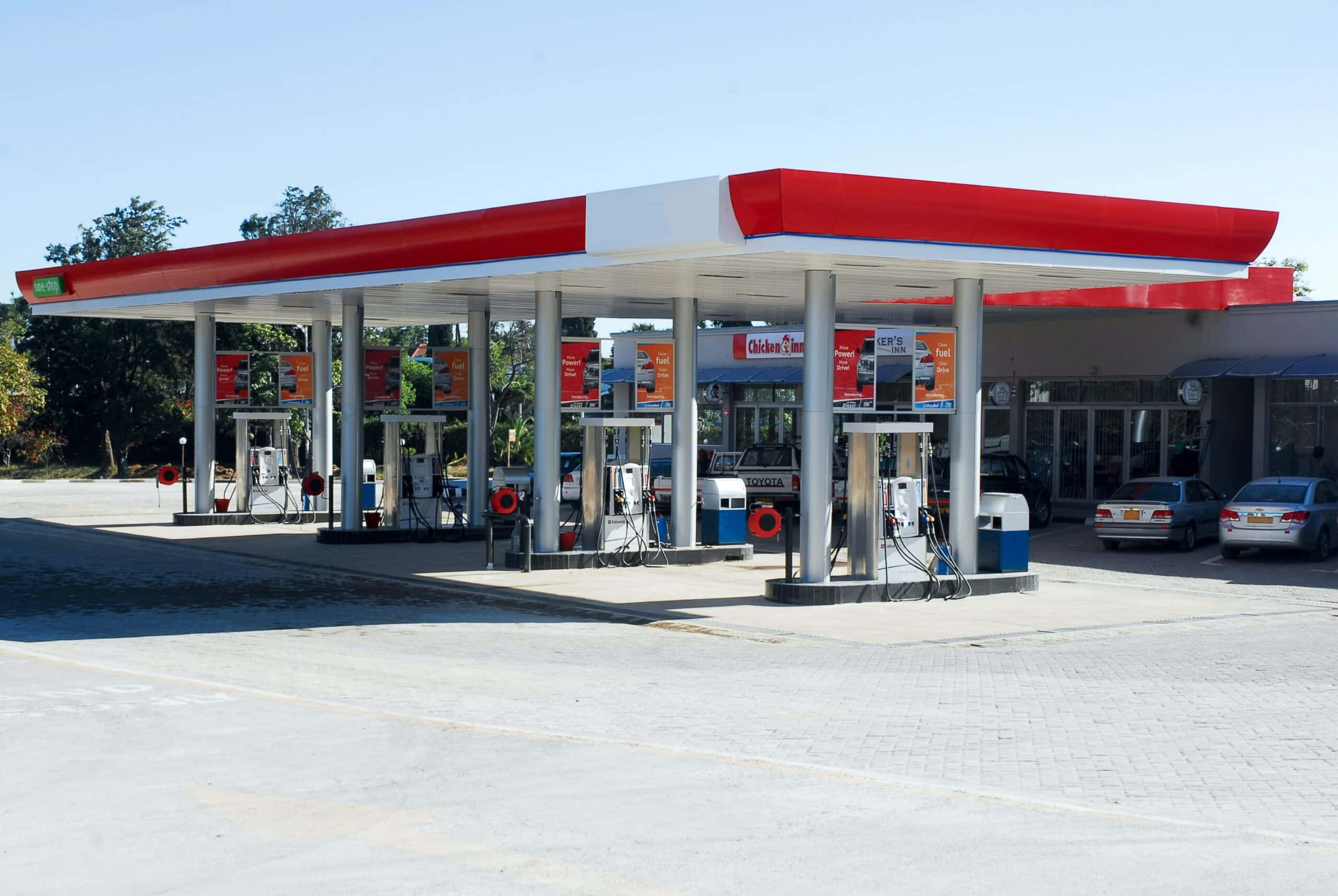
Maison Law can help you if you’re hurt in a slip-and-fall accident at one of the many gas stations in Gilroy. Just like anywhere else, you can be injured in a slip-and-fall at one of these places–whether it’s inside or outside. While it’s frustrating, you have options if certain conditions are met. Our team can explain your options and answer your questions. Set up a free consultation today.
Why Should I Get a Lawyer After a Slip-and-Fall at a Gas Station?
Gas stations have potential issues people rarely think about—oil slicks near the pumps, uneven concrete, spilled drinks inside the mini-mart, broken curbs, dim lighting, or water tracked in during wet weather. And when those things aren’t taken care of, a simple stop for gas can turn into a seriously painful fall.
That’s where having a lawyer helps. Not because every slip-and-fall calls for one, but because gas station owners and their insurance companies almost always downplay these accidents. They’re quick to say it was “your fault,” or that “the spill just happened.” Meanwhile, you’re the one dealing with medical bills, missed work, and a painful recovery. That’s where our team can:
- Break down your legal options in plain language
- Track down records, video, and information the gas station won’t hand over easily
- Look into how long the hazard was there and who should’ve addressed it
- Handle the back-and-forth with insurance so you don’t have to
- Prepare your case for court if that’s what it takes
You shouldn’t be stuck paying the price for a dangerous condition that never should’ve been there in the first place. Getting help early is a way for you to focus on getting better. That process can start right there at the site of the accident.
What Information Should I Try to Get After My Slip-and-Fall?
Slip-and-falls at gas stations happen quickly. One moment you’re stepping out of your car; the next, you’re on the ground wondering what just happened. While your first priority is getting medical attention, gathering information—either at the scene or soon after—can make a huge difference in how things play out:
- Any accident reports made by the gas station, because these show when and where the accident happened. They’ll also show that the business was aware of it–which they can’t deny later.
- Medical records from the ER, urgent care, or your regular doctor, which document your injuries, your symptoms, and the treatment you need now and in the future.
- Pictures/videos of the hazard, such as spilled fuel, a leaking drink machine, a loose floor mat, uneven pavement, or poor lighting. Images help show what caused the fall and what the area looked like.
- Notes and details about what you remember, including what you saw, what you slipped on, and how the fall affected you in the hours and days afterward.
- Names and contact information from witnesses, because they can confirm what the condition looked like before the fall or whether employees ignored the hazard.
- Any damaged clothing or personal belongings, such as torn shoes, stained pants, or broken items, which can help support your story.
On their own, these details might seem small. But together, they create a clear, grounded picture of what happened and why the fall wasn’t just “bad luck.” It helps show that the hazard could have been prevented, and that your injury wasn’t something you caused yourself. More importantly, gathering this information early puts you in a stronger position to figure out what comes next.
How Can I Get Financial Help After a Slip-and-Fall at a Gas Station?
Once you’ve dealt with the immediate chaos after your slip-and-fall—getting checked out, gathering information, and trying to get back to your routine—you’ll eventually reach a point where the financial impact of what happened becomes clear. Medical bills come in. Missed work starts adding up. And pain doesn’t follow a convenient schedule.
That’s when you need to start thinking about filing a claim. It gives you the opportunity to make a case for “damages.” These are simply what you’ve lost because of your injuries–the medical bills, lost income, and pain you’re going through. To do that, you can either:
- File an insurance claim out of court.
- File a personal injury lawsuit.
Things usually start with an insurance claim, where you file with the gas station’s liability insurance carrier. They’ll investigate what happened and (usually) offer a settlement. While you might think this is straightforward, insurance companies—especially liability carriers—will look for any way they can to pay out as little as possible.
When that happens, a lawsuit becomes the next option. It’s not about being difficult—it’s about putting your case in front of a neutral decision-maker (a judge) who can look at the evidence and decide what you should receive. This can include costs related to your:
- Medical care now and in the future
- Lost income or a loss of earning potential
- Damage to clothing, shoes, phone, or anything else damaged in the fall
- Pain and suffering
- Emotional distress
- Loss of enjoyment of everyday life
California gives you two years to file, but the reality is that evidence doesn’t last that long. Acting earlier gives you a much clearer path forward–especially when it comes to figuring out who actually has to pay for your damages.
Who Pays For My Damages After a Slip-and-Fall at a Gas Station?
One of the hardest things about a slip-and-fall situation at a gas station is figuring out who pays for your damages.
The main question is simple: Who was supposed to keep the area safe?
That person—or company—is usually the one responsible for paying your damages. In many cases, responsibility falls on the property owner or station operator who either knew about the hazard and didn’t handle it, or should have known because the problem had been there long enough. But responsibility can extend beyond just the gas station:
- Employees who didn’t clean a spill, ignored a leaking pump, or skipped regular safety checks.
- Maintenance crews responsible for lighting, pavement repairs, or daily cleanup.
- Outside companies delivering fuel, stocking the store, or repairing pumps.
- The city or county government if the fall happened on public walkways or sidewalks leading to the station.
California’s comparative negligence laws mean that even if you were partially distracted—maybe you didn’t see the puddle right away—you can still file a claim. Your recovery may be adjusted slightly, but you’re not prevented from filing a claim. And remember, our team will be there to help you through it all.
Talk to Maison Law After a Slip-and-Fall at a Gas Station in Gilroy
A fall at a gas station in Gilroy might seem minor to everyone else, but you’re the one dealing with the pain, the medical bills, and the disruption to your life. You shouldn’t have to handle all of that alone—especially when the accident could have been prevented.
Maison Law understands what you’re going through and can help you. Reach out today for a free consultation to talk through your options and what comes next.
