Maison Law can help you and your family if there’s been injuries from a dog bite. Most people in Gilroy love dogs. They’re part of our neighborhoods, our parks, our families. But even a well-trained dog can have an off moment. One second everything feels normal, and the next you’re dealing with a bite, pain, and a whole lot of questions you didn’t see coming. Our team will be there to answer them. Set up a free consultation today.
Do I Really Need a Lawyer for a Dog Bite?
A lot of people ask this right after a bite—usually while they’re still replaying the moment in their head. Sometimes the injury is minor, and you can probably handle things without legal help. But other times, the bite is more serious, the medical bills start piling up, or the dog owner isn’t taking responsibility. That’s when having a lawyer makes a real difference. Not to overcomplicate things, but to take the weight off your shoulders. Our team can:
- Take a close look at what happened and walk you through your options in plain language.
- Help gather the evidence that shows exactly how the bite occurred.
- Look into any insurance that might apply so you aren’t left guessing who pays for what.
- Handle the claims process so you can focus on healing, not paperwork.
Our role is simple: make this process easier for you and your family. Nobody plans for a dog bite, but knowing what to expect can give you back a sense of control. That starts with getting information.
What Information Will I Need for a Dog Bite Claim?
After a dog bite, your mind is usually in a hundred places at once—pain, worry, frustration, anger, shock. But the information you gather early on can make a real difference later if you decide to file a claim. Here’s what helps most:
- Basic details. Where it happened, when it happened, and what led up to it. Even rough notes are better than trying to remember the details days later.
- Information about the dog and the owner. A name, address, phone number—anything that ties the dog back to the person responsible. If you couldn’t get it at the moment, animal control or the police can often help.
- Pictures and/or videos. Not just of your injuries, but of the location, the dog (if possible), the surroundings, torn clothing, or anything that shows the severity of what happened.
- Your medical records. This ties the injury directly to the bite and documents infections, stitches, antibiotics, follow-up visits, and long-term concerns like nerve damage or scarring.
- Animal control or police reports. These reports often include vaccination history, past complaints, whether the dog has bitten before, and notes from officers.
- Statements from anyone who saw what happened. One witness who saw the dog loose, unrestrained, or behaving aggressively can significantly strengthen your case.
You don’t need to have all of this right away—most people don’t. Part of our job is gathering missing pieces, contacting the right agencies, and building a clear picture of what happened. From there, though, everything points toward filing a claim.
Who Pays for Damages After a Dog Bite?
When a dog bites you, one of the first questions that comes up—usually after the shock wears off—is, “Who’s actually responsible for this?” Most people assume you have to prove the owner did something wrong or that the dog had a history of biting. In California, that’s not how it works.
Imagine you’re out for a walk in your neighborhood and a dog rushes out from behind a half-open gate. You don’t know the dog. You don’t know the owner. You’re just trying to get home. The law doesn’t expect you to read the dog’s body language or guess whether it’s friendly. If it bites you, the responsibility lands on the owner—period.
Legally, this is called “strict liability.” So, when you’re bitten, the owner is responsible for the injuries. Even if they say, “He’s never done this before,” or “I don’t understand what set him off,” the law doesn’t make you prove anything about the dog’s past behavior.
There are a couple of situations where things get more complicated:
- If you were somewhere you weren’t allowed to be. For example, climbing over someone’s fence or cutting through their private backyard.
- If you provoked the dog. Not teasing—true provocation. Think hitting, threatening, or physically harming the dog.
In those situations, your recovery might be reduced, but it doesn’t automatically wipe out your claim. Most people bitten aren’t doing anything wrong; they’re just going about their day. With that said, a bite can cause a lot of issues. That’s why the law is in place, but to get help, you’ll need to file a claim.
What Can You Recover in a Dog Bite Claim?
When you decide you have the right information and need to actually get financial help for your dog bite injuries, the natural next step is to file a claim. But it raises a key question: what can you get? The answer is the same as any other accident–anything that’s related to your injuries. Whether you decide to file an insurance claim or a full lawsuit, you can get certain “damages” like:
- Current and future medical expenses, including costs related to permanent injuries or scarring.
- Lost income from missed work
- Loss of earning potential if your injuries prevent you from working
- Repair/replacement costs for damaged clothing, electronics, etc.
- Pain and suffering
- Emotional distress
- Reduced quality of life
What you recover depends on the facts, the documentation, and how clearly the claim is presented. And although it doesn’t matter where the bite happens, it’s still important to the overall process.
Where Do Dog Bites Usually Happen in Gilroy?
One of the toughest parts of a dog bite–aside from injuries–is where they happen. The vast majority of dog bites in Gilroy happen in a few common places:
- Homes. This seems obvious when you think about it, but the most frequent setting of a dog bite is also the most domestic. They happen right inside someone’s house or yard.
- Parks, sidewalks, and neighborhood streets. This is often the result of an unsupervised encounter. Maybe a dog was supposed to be on a leash, or the owner was just distracted. It’s the classic situation where an unleashed dog bounds up to a person or another dog, and the greeting goes sideways.
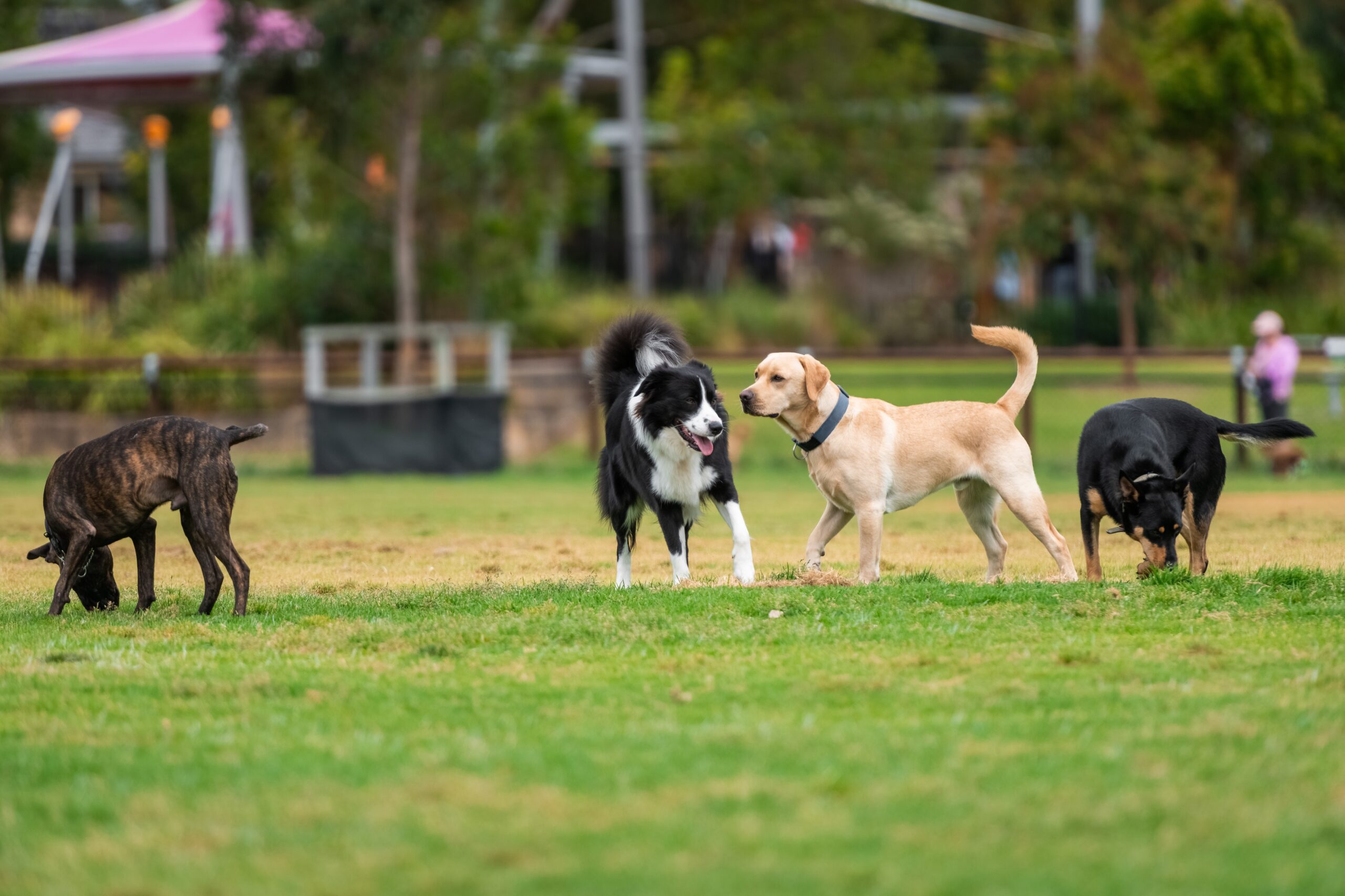
- Dog parks. Even though they’re designed for dogs, dog parks in the city and area bring together many unfamiliar dogs, often well-trained, but their personalities clash in a confined space.
No matter which scenario plays out—whether it was a delivery driver on the job, a kid playing in their own yard, or a jogger surprised by a roaming dog—there is one rule that never changes: The owner is always ultimately responsible. At that point, you have legal options, and our team will be there to guide you through them.
Frequently Asked Questions
Does it matter if the dog has never bitten anyone before?
Not in California. We have “strict liability,” meaning the owner can be held responsible even if it was the dog’s very first bite.
What if I was bitten while I was on the dog owner’s property?
If you were there legally (like a visitor or worker), you can still file a claim. Being on their property doesn’t erase the owner’s responsibility–even if they have warning signs.
How much time do I actually have to file a claim?
You generally have two years from the date of the injury. Don’t delay—the sooner we start, the stronger your evidence will be.
Reach Out to Maison Law Accident and Injury Lawyers of Gilroy After a Dog Bite
A dog bite can shake up your life fast—physically, emotionally, and financially. At Maison Law, we’re here to walk you through a dog bite claim from start to finish. Don’t wait—set up your free, no-obligation consultation today.
