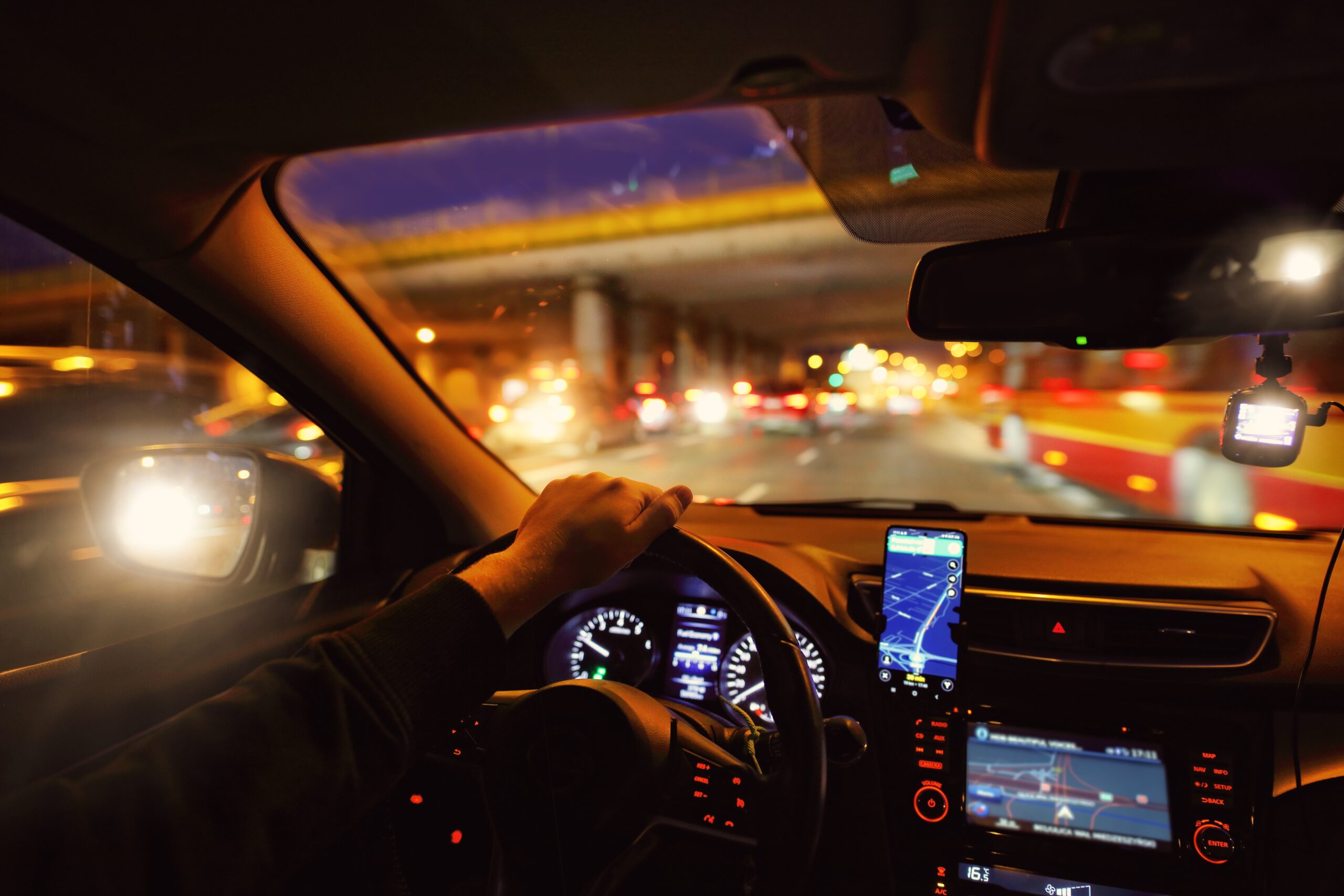
Rideshare companies like Lyft and Uber have provided a new way for people to get around without relying on personal vehicles or traditional taxis. They have also provided new sources of income for individuals who need flexible scheduling and want to work for themselves. Unfortunately, as with any form of transportation, accidents happen.
Unlike the typical car accident, rideshare car accidents are especially complex. There can be additional victims and multiple parties who could potentially be at fault. Then add the numerous insurance policies that can apply to a single accident. As a result, getting relief for injuries sustained in a rideshare crash can be a burdensome and drawn-out process. This is especially true when rideshare companies try to avoid liability.
Did you get hurt in a rideshare car accident? Maison Law is ready to help. If you’re a driver, passenger, or pedestrian, our attorneys know how to handle these types of complex personal injury cases, especially those from California. Whether you’re in Los Angeles, San Francisco, Sacramento, San Diego, or any other part of the state, we’ll work hard to make sure you get the compensation you deserve. Contact Maison Law today to schedule a free consultation.
Rideshare Car Insurance Rules for California
California has special car insurance rules for companies like Lyft and Uber, but their application depends on the rideshare driver’s operating status at the time of the accident. This means that if you’re hurt in an accident involving a rideshare driver, the timing of the crash decides whose insurance coverage applies and in what amount. Below is a summary of how these coverages work:
- Rideshare app is off: The rideshare company’s insurance coverage won’t apply. Instead, any car insurance coverage comes from the rideshare driver’s personal auto policy.
- Rideshare app is on, and the rideshare driver is available to get a passenger: If the rideshare driver’s personal auto policy doesn’t apply, Lyft and Uber will provide third-party liability coverage up to $25,000 for property damage, $50,000 per person, and $100,000 per accident.
- Rideshare app is on and the rideshare driver has accepted a trip: If the rideshare driver’s personal auto policy doesn’t apply, Lyft and Uber will provide up to $1 million in third-party liability coverage and UM/UIM coverage up to $60,000 per person and $300,000 per accident.
Complexity of Rideshare Accident Cases
As you can see, knowing what coverage applies is critical for determining how much you might receive in compensation if you get hurt in a rideshare accident. And deciding which coverage applies can be a complicated and fact-specific inquiry following an accident.
If there are any facts from the accident that point to a rideshare company avoiding liability, the rideshare company’s lawyers will focus on those facts to help their client avoid paying damages. One way they do this is to argue that the rideshare drivers are independent contractors.
Uber and Lyft Use Independent Contractors
California law allows companies like Lyft and Uber to classify their drivers as independent contractors and not employees. This is an important distinction for several reasons, including allowing rideshare companies to avoid liability for the negligence of their drivers.
However, this immunity has exceptions. If you’re hurt in an accident caused by a rideshare driver, in addition to just suing the driver, there are limited situations where you could potentially also sue the rideshare company that driver was working for.
For instance, imagine the rideshare company knew one of their drivers was unsafe (perhaps they have a history of accidents or an invalid driver’s license), yet allowed that person to drive anyway. In this scenario, it’s possible the rideshare company could also be liable for damages you sustained in the accident.
Recoverable Damages for Rideshare Accident Injuries in CA
Should you suffer damages in a rideshare crash, you’ll be entitled to financial compensation. The goal of these damages is to make you as whole as possible and will compensate you for things like medical bills. If a rideshare incident results in litigation, depending on the facts of your case, there are two main types of damages you could likely recover:
- General damages: These compensate you for non-economic harm, like pain and suffering, mental anguish, depression, and anxiety.
- Special damages: Also known as economic damages, these compensate you for out-of-pocket financial losses stemming from the accident. This can include things like past and future medical bills, lost wages, and property damage.
In accidents that result in someone dying, wrongful death damages are possible. These are damages that a spouse or other close relative can bring to recover both tangible and intangible losses such as medical bills, funeral costs, lost household services, and loss of consortium.
If the rideshare driver or rideshare company’s wrongful acts were especially wrongful, you might be able to recover punitive damages. The point of punitive damages is not to compensate you, but instead to punish those responsible for the accident.
Punitive damages might be possible if the rideshare driver or company acted intentionally, grossly negligently, or recklessly. Most rideshare accident cases don’t result in punitive damages, though.
How Much Can I Recover in an Average Rideshare Car Accident Case?
The amount of damages you can receive depends on many factors, such as:
- The severity of your injuries in terms of medical costs and pain and suffering.
- The effect your injuries had on your ability to earn income.
- The level of emotional trauma suffered from the accident.
- The conduct of the rideshare driver and company and whether their actions were “honest mistakes” or abhorrent conduct that courts and the general public wish to punish.
- Insurance coverage limits of applicable policies.
- The amount of fault you had in causing your injuries. If you were partially at fault for causing your injuries, any award you’re entitled to receive may be reduced by your level of fault, whether it’s 1% or 99% (also known as “pure comparative negligence”).
Some of these variables are somewhat straightforward to calculate, but others are especially challenging. One such example is determining the severity of physical injuries. These can often be categorized into three tiers:
- Tier 1: Minor injuries that don’t involve surgery. Can include contusions, strains, and sprains.
- Tier 2: Deep lacerations and cuts, as well as broken bones, any of which require surgery.
- Tier 3: Traumatic brain or spinal cord injuries. These can involve permanent or temporary paralysis.
Figuring out the damages you may be entitled to is rarely easy or simple. For example, it might take several weeks or months for you to notice an injury caused by the accident. There’s also likely to be differences in opinion as to the emotional trauma you may have suffered from the accident. Because of this, here are two important points to remember:
- Expect a low-ball settlement offer. Assume that whatever amount the rideshare company and/or their insurance company offers you to settle the case will be less than you’re legally entitled to receive.
- Don’t sign anything without first talking to a lawyer. You don’t know what you don’t know, and before signing any document that asks you to waive any rights, you should have an attorney analyze your case first. Only after getting this legal advice can you make an informed decision about how much your case is worth and whether to settle a case.
Ignoring either of the two points will often mean accepting less money than you deserve and/or losing out on legal rights that can help you recover additional compensation.
Maison Law’s Rideshare Accident Lawyers Are Here for You
Just because you’re a victim in a rideshare accident doesn’t mean your suffering is any less important. But it does mean you may have to jump through more hoops to get fair compensation for your injuries. Medical bills, repair costs, and lost income can quickly turn what should be a normal ride on the road into a financial and legal mess.
If you’ve been hurt in a rideshare accident in California, don’t try to take on Uber, Lyft, or the insurance companies by yourself. Instead, reach out to the car accident lawyers of Maison Law. We’ll help you navigate your way through the insurance and litigation confusion and get your life back to normal as much as possible. Contact us today to set up a no-cost consultation.