
If you have a garage, you probably use it every day. Whether you’re leaving for work, carrying groceries into your house, or your kids are playing, you probably don’t think twice about the garage door going up and down. But when a spring breaks, it’s extremely dangerous. And when you or your child get hurt, it’s natural to wonder who’s at-fault for what happened. That’s where our team at Maison Law can help you. Set up a free consultation today.
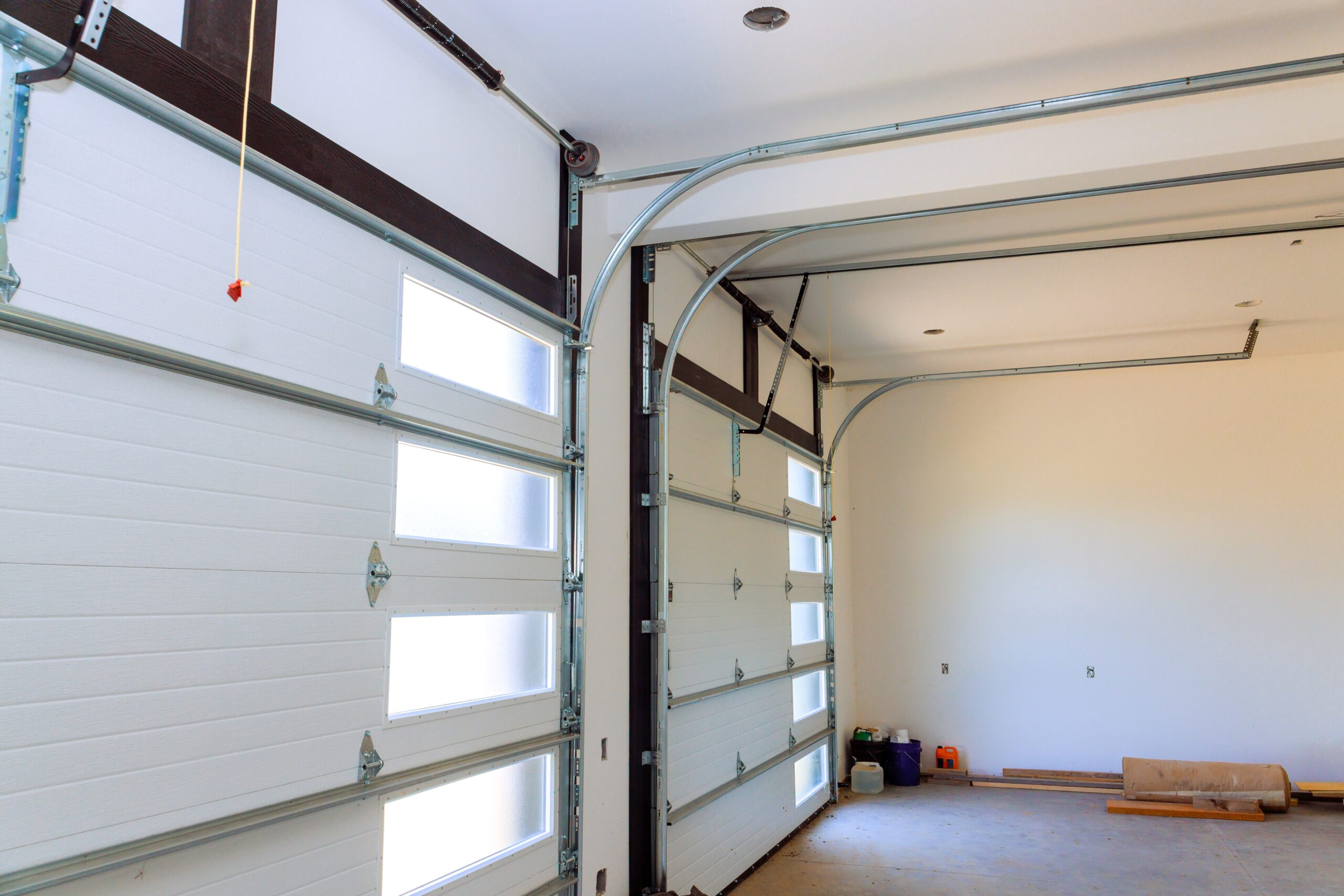
Who’s Liable When There’s an Injury From a Garage Door Spring?
The springs on a garage door are extremely important. And if you use your garage door a lot, there’s bound to be some wear and tear on them (as well as the other parts of the door itself.)
As the homeowner, it’s your responsibility to make sure everything is working and any problems are taken care of. Accidents and injuries bring up more questions, though. If it’s simply an issue where the springs wore out, there’s probably not any claim that can be made.
However, there’s a couple situations where you can file an injury claim in this situation:
- The spring is defective. If the spring itself is defective, or there’s some other design flaw, the company that made the garage door or its individual parts could be liable for your injuries.
- Poor repairs or maintenance. If a company or person was responsible for fixing the spring and didn’t perform the repairs correctly, they could be liable for your injuries.
- The builder or previous homeowner failed to tell you about a potential issue. Sometimes, it might point back to the builder or previous homeowner. If they sold you the house, but didn’t disclose problems with the garage door spring, they could be liable for your injuries.
In this situation, it’s not about what happened. It’s about why it happened. That’s the key to liability—someone could have prevented the accident, but through actions or inaction, they didn’t and you ended up hurt. But moving forward with a claim takes evidence.
What Evidence Should I Look For If I Need to File a Claim?
Unfortunately, it’s not enough to just say that a faulty garage door spring caused your injury. If you want to file a claim, you need to show what happened—and why it shouldn’t have happened. The key is simple: hold onto the details early, before anything gets repaired, replaced, or cleaned up. Here’s what actually helps you do that:
- Pictures/videos. If you’re able, take photos right away. Focus on the spring itself and anything that shows what went wrong—broken coils, signs of rust, misalignment, or parts that snapped under tension. Even a short video of the door not working correctly can be powerful.
- Maintenance or repair records. Garage doors need regular servicing. These records can show whether the spring was ever inspected, adjusted, or replaced when it should have been. Gaps in maintenance can matter a lot.
- Medical records. This connects your injury directly to the incident and helps show the seriousness of what you’re dealing with.
- If anyone saw the accident or knew the garage door had been acting up before, their account can help support what you’re saying happened.
- Service history and installer details. Knowing who installed or last repaired the door—and when—can help show whether the work was done properly or if something was missed.
- How it’s affecting you. Missed work, limited movement, ongoing pain, or difficulty doing normal tasks all help show the real impact of the injury.
Every situation is different, but these are the kinds of details that usually matter most. And with something like a garage door spring, timing really matters—because once it’s repaired or replaced, it becomes much harder to show what actually went wrong.
Maison Law Can Help After a Garage Door Spring Injury in California
You don’t expect something like a garage door spring to fail and hurt you, especially at home or in a place you should be able to rely on. But when it does happen, it can turn into a serious injury situation quickly. Even though you’re allowed to file a claim on your own, the process can get messy fast—especially when it comes to proving what failed and why. That’s where our team at Maison Law can step in to help:
- Look closely at what happened and how the injury occurred
- Break down your options in plain, easy-to-understand terms
- Help preserve important evidence before it’s lost or fixed
- Identify who may be responsible for the faulty repair, installation, or maintenance
- Handle the insurance process and, if needed, take the next step of filing a lawsuit
Most importantly, we aim to take some of the pressure off you and your family while you recover. If you’re dealing with a garage door spring injury, we’re here to help you figure out what comes next and talk through your situation whenever you’re ready. Set up your free consultation today.