Maison Law and our Trinity National Forest personal injury lawyers can help you and your child if they’re hurt in an accident there. There’s no situation where you want your child to get hurt, let alone one that happens in such a family-friendly area. But Unfortunately, just like anywhere else, children can get hurt here—and when that happens, parents are often left wondering what to do next. We can help answer your questions. Set up a free consultation today.
Should I Get a Lawyer if My Child Is Hurt in Trinity National Forest?
There’s nothing more upsetting than seeing your child injured—especially in a place that’s supposed to feel safe, peaceful, and fun. Whether your family was hiking near Canyon Creek, biking on a forest road, camping near Trinity Lake, or just spending the day outdoors, accidents can happen fast. When they do, many parents ask the same question: Should I get a lawyer?
It depends on the situation, but it’s usually worth at least having the conversation. Our team can step in to:
- Explain your child’s rights and your options in clear, plain language.
- Look closely at what happened and figure out who may be responsible.
- Gather medical records, witness statements, and other key details.
- Take over communication with insurance companies or government agencies.
- Prepare the case for court if that becomes necessary.
Your job is to focus on your child—helping them heal and feel safe again. Our job is to handle the paperwork, phone calls, and deadlines that come with an injury claim, so you don’t have to carry all of that on top of everything else. Once you have support in place, the next step is understanding what information can help your child’s claim.
What Information Can Help My Child’s Injury Claim?
After your child gets hurt in Trinity National Forest, everything can feel like a blur. Maybe your child fell while hiking near the Trinity Alps, crashed their bike near a campground, or got injured around a lake. Even if you didn’t see every detail yourself, there’s still important information you can gather that may help later on:
- Official reports. If Forest Service staff, park rangers, or local authorities responded, ask how to get a copy of the report. This creates a record of what happened and where.
- Medical records. Save hospital paperwork, doctor notes, therapy records, and any follow-up instructions. These documents help show the scope of your child’s injuries and recovery.
- Changes at home or school. Missed school days, trouble sleeping, mood changes, or needing extra help with daily activities all matter and help show the real impact of the injury.
- Bills and receipts. Keep track of medical costs, travel for appointments, and time you miss from work caring for your child.
- Witness statements. Other campers, hikers, volunteers, or staff who saw what happened can help confirm details later on.
If you weren’t able to collect everything right away, that’s completely understandable. Most parents are focused on their child, not documentation. We can help track down reports, request records, and organize the information when you’re ready.
Who May Be Responsible When a Child Is Hurt in Trinity National Forest?
When your child gets injured, your first thought is always their safety. But once things settle, practical questions start to come up—especially about responsibility. In California, responsibility usually comes down to negligence, but in a place like Trinity National Forest, figuring that out isn’t always simple. It basically comes down to:
- Who knew–or should have known–about a risk and failed to act to fix it.
So, it depends on the situation, but generally, any of the following could be responsible:
- Drivers. Forest highways, access roads, and campground roads are shared by vehicles, bike riders, and pedestrians. A distracted or speeding driver can cause a serious accident in an instant.
- Property or campground management. Unsafe conditions like broken railings, uneven walkways, or poorly maintained facilities can lead to injuries.
- Camps, schools, or organized groups. If your child was part of a trip or camp and supervision fell short, those organizations may share responsibility.
- Product makers. Defective bikes, helmets, outdoor gear, or recreational equipment can fail without warning and cause injuries.
- Government agencies. Federal, state, or local agencies are responsible for maintaining trails, roads, bridges, and public spaces. Missing signs, hazardous conditions, or poor upkeep can play a role.
These overlapping responsibilities are what make injuries in Trinity National Forest more complicated than they might seem at first. But no matter how many parties may be involved, your child still has the right to pursue a claim.
How Does the Claims Process Work for a Child’s Injury?
Once you have a sense of who may be responsible, the next step is understanding how to move forward with a claim. In Trinity National Forest, the process depends heavily on the circumstances—mostly where the injury happened and who was involved.
- Federal land or employees. If your child was hurt on Forest Service land or by a federal employee or vehicle, the claim typically falls under the Federal Tort Claims Act (FTCA). This requires filing a claim directly with the federal agency, usually using Standard Form 95. The agency has six months to respond before a lawsuit can be filed.
- State or local government property. If the injury occurred on a county-maintained road, park, or facility, the California Tort Claims Act (CTCA) applies. This requires filing a notice of claim within six months of the injury. There also has to be over $10,000 in damages and the state has 45 days to respond.
- Private claims. If no government agency is involved, the process looks more like a standard personal injury case—starting with an insurance claim and, if needed, a lawsuit in civil court.
One way or the other, the goal of any claim is to get “damages” for your child’s injuries. This can include:
- Medical care now and in the future
- Lost income from time you miss caring for your child
- Therapy, counseling, or educational support
- Physical pain and emotional distress
- Loss of enjoyment of everyday activities
Like any injury situation, it’s hard to tally damages. But it’s even harder when it’s your child—even after physical injuries heal, the emotional and psychological damage can last much longer. And with government involvement, everything is sped up. That’s why it’s important to know where these kinds of accidents happen.
How Do Children Get Hurt in Trinity National Forest?
Trinity National Forest offers endless opportunities for families—but those same opportunities can come with risks, especially for curious, energetic kids. Injuries often happen during:
- Biking accidents on uneven forest roads or gravel paths
- Hiking falls on rocky trails or steep terrain in the Trinity Alps
- Camping injuries from campfires, cooking gear, or uneven ground
- Water-related accidents near lakes, rivers, docks, or boat launches
- Dog bites in campgrounds or on crowded trails
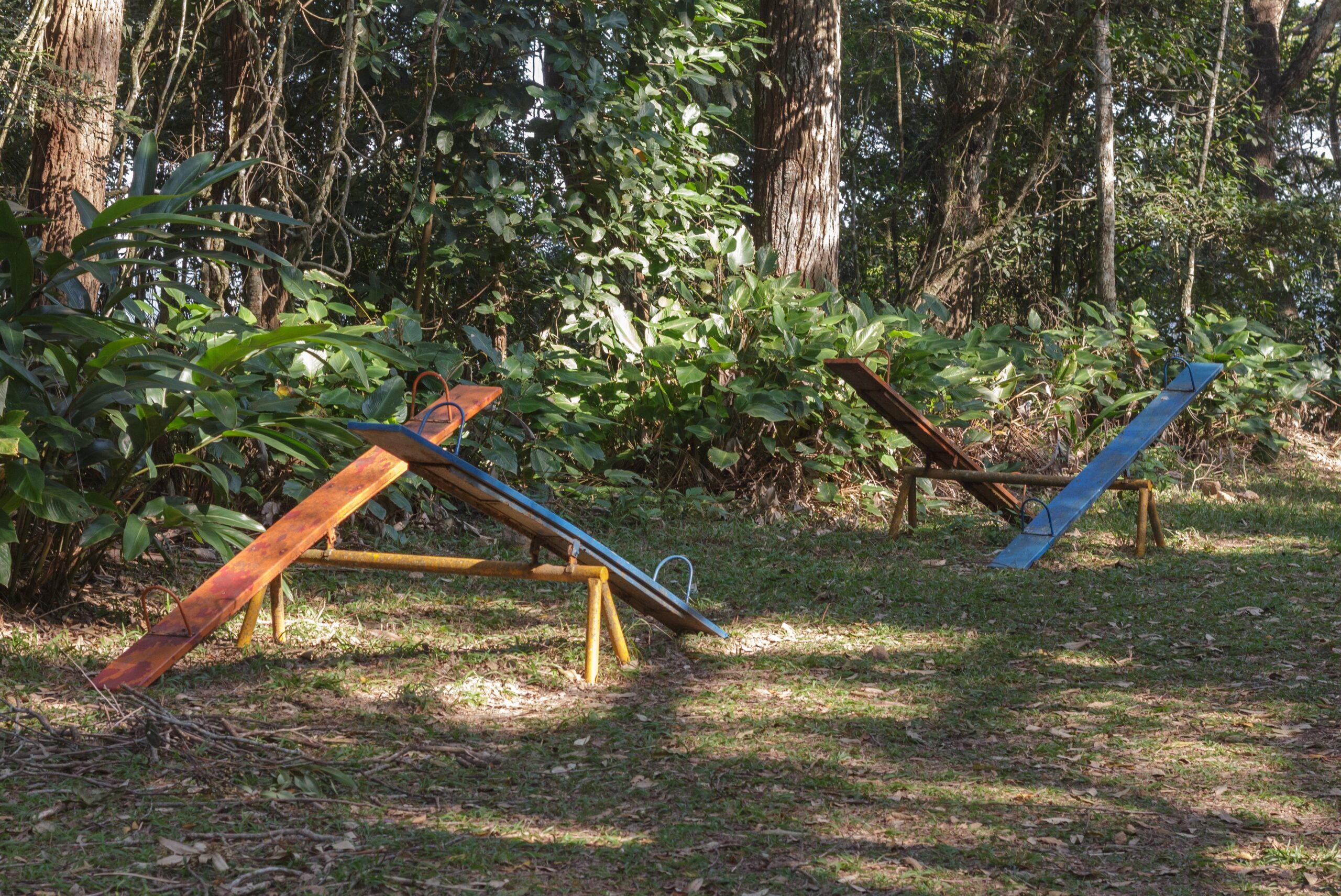
- Falls from picnic tables, decks, or playground-style equipment
These accidents happen quickly, but again, the main issue is that their effects can last much longer. Knowing your options helps you regain a sense of control and focus on helping your child get better.
Frequently Asked Questions
What should I do right after my child gets hurt?
Make sure they’re safe and get medical care. If you can, take photos, note where it happened, and gather witness information.
Do I need a lawyer right away?
Not always, but if injuries are serious or a government agency may be involved, early guidance can protect your options.
What if I’m not sure how injured my child is?
That’s normal. Kids are very resilient, but it’s still important to get them checked out immediately. This creates a medical and official record of what happened and links it to the accident.
Maison Law Helps Families After a Child’s Accident in Trinity National Forest
No parent expects their child to be hurt while hiking, camping, or exploring the forest. When it does happen, the last thing you should have to worry about is paperwork, deadlines, or legal confusion. At Maison Law, we help families understand their options and move forward with confidence. Reach out for a free consultation whenever you’re ready.
