
Maison Law’s Porterville premises liability lawyers can help you if you’re hurt in a slip-and-fall accident on government property. It’s like any other slip-and-fall in terms of your injuries, but the process is different when the government is involved. Our team will be there from the beginning with guidance and support. Set up a free consultation today to talk through your options.
Should I Get a Lawyer?
Most people don’t wake up expecting to talk to a lawyer. Especially not because of a fall. In Porterville, a lot of slip-and-falls on government property happen during normal, everyday errands—walking into a public building, heading back to a car, or cutting across a sidewalk you’ve used for years.
What catches people off guard isn’t just the injury. It’s how quickly things start moving once the fall happens.
On government property, reports are often written the same day. Maintenance crews are called. Hazards get patched, pressure-washed, or replaced. And all of that can happen while you’re still trying to figure out whether the pain in your back or knee is going to fade—or get worse.
That’s usually when questions start creeping in:
- Who’s actually responsible for this area?
- Was this something they should’ve fixed earlier?
- And how much time do I really have to do something about it?
Not every slip-and-fall needs legal help. But when the government is involved, waiting too long or assuming you’ll “deal with it later” is one of the most common ways people lose options without realizing it.
Where Do Slip-and-Falls Happen on Government Property in Porterville?
In Porterville, these falls rarely happen in strange or hidden places. They happen where people already feel comfortable—where attention naturally drifts because the setting feels familiar.
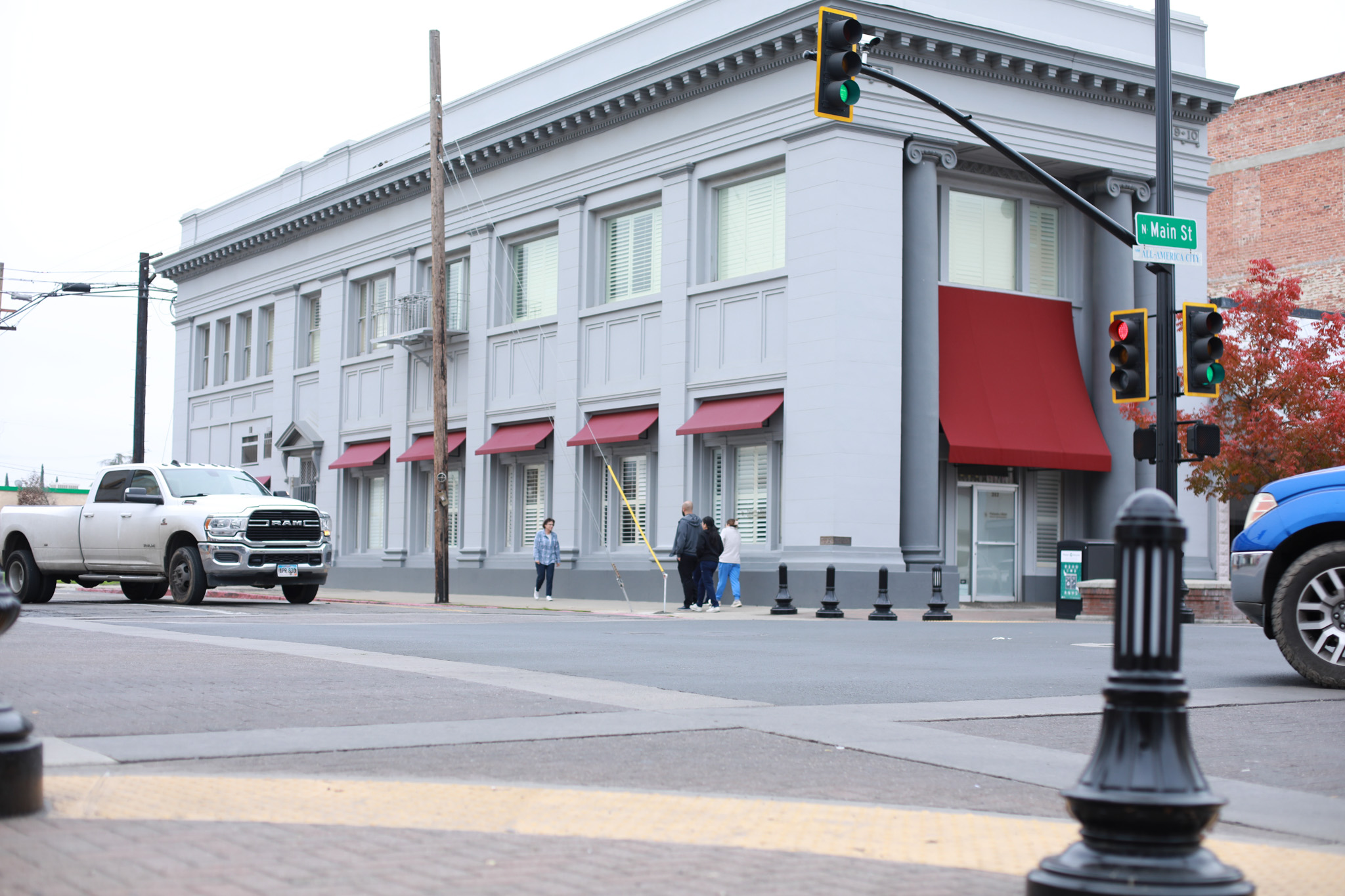
- Downtown Porterville is a common example. City offices near Main Street and Olive Avenue see steady foot traffic all day. Entryways get slick from foot traffic and cleaning. Concrete settles unevenly over time. A small crack or raised edge doesn’t look like much—until someone catches a toe on it.
- Falls also happen around the Tulare County Superior Court in Porterville, especially between public parking areas and courthouse entrances. People are often distracted, stressed, or focused on getting inside on time. That’s when uneven pavement or a poorly sloped curb ramp becomes dangerous.
- Public sidewalks along Porter Road, Henderson Avenue, and sections of Main Street are another frequent issue. Concrete shifts. Repairs don’t always stay level. Tree roots push up walking surfaces inch by inch. These are the kinds of hazards people stop noticing—until they trip.
- Inside public buildings, the risks are quieter. Places like the Porterville Branch Library, community centers, and senior facilities see falls caused by freshly mopped floors, worn stair edges, dim lighting, or uneven thresholds. These are spaces meant to feel calm and safe, which is why people often aren’t watching the ground closely.
- Porterville High School, Porterville College and other school campuses are another spot people don’t expect to get hurt. Parents attending events, picking up kids, or walking across campus after hours often deal with cracked walkways, outdoor stairs, or temporary construction areas that aren’t clearly marked.
- Parks and recreation areas, including Zalud Park, bring their own risks. Uneven walking paths, raised concrete from tree roots, slick restroom floors, and worn picnic areas tend to cause falls during relaxed, casual moments.
Across all of these places, the pattern is usually the same: the hazard didn’t show up overnight. It was there long enough that someone should have noticed it—and done something about it.
What Evidence Should I Try to Get After My Slip-and-Fall?
After a fall, the first priority is your health. Once you’re safe, timing quietly becomes the issue most people don’t realize they’re up against. Some details are only available early, so here’s what you should focus on:
- If the fall happened inside or near a public building, there’s often an incident report made by staff, security, or maintenance. These reports help show when and where the fall happened—and that the responsible agency was notified.
- Medical records matter a lot, just like any other slip-and-fall. ER records, imaging, follow-up appointments, and physical therapy all help connect your injuries to the fall and show how serious the impact has been.
- If you’re able, photos or video of the scene can be invaluable. On government property, hazards are often repaired quickly. A picture taken that day may be the only record of what caused the fall.
- It also helps to jot down your own notes while things are still fresh—where you were walking, what you felt underfoot, how your body reacted right after the fall. And if anyone saw what happened, witness contact information can help fill in gaps later.
It’s hard to think about, but the fact is, this evidence is going to be the backbone of your claim. So, as hard as it can be, you need to do what you can to gather these things. Our team can help, but remember, things are going to get fixed and disappear quickly.
Who’s Responsible When I Slip-and-Fall on Government Property?
One of the most frustrating parts of a government property fall is realizing that responsibility isn’t obvious. The place where you fell might look like it belongs to the city—but that doesn’t always mean the city was responsible for maintaining it. A sidewalk might be owned by one agency, maintained by another, and cleaned by a private company under contract.
This brings in a lot of different groups in terms of responsibility, but legally, it comes down to one question:
- Did the group responsible for maintaining that area know—or should they reasonably have known—about the risk and refused to fix it?
That’s the core of any slip-and-fall case, but ultimately, responsibility is probably going to fall on:
- The city, county, or state government (usually the particular agency)
- The city school district
- The private contractor or maintenance company
Again, this isn’t any different than any other slip-and-fall accident. The government has the same basic duty as any other business or property owner. The difference is in what comes next.
What Kind of Claim Do I File After a Slip-and-Fall on Government Property?
Most government property slip-and-falls in Porterville fall under the California Tort Claims Act (CTCA). What that really means is this: the timeline is shorter than people expect.
In many cases, you have six months to file a formal notice of claim. That six months often gets eaten up by doctor visits, missed work, and waiting to see if injuries improve. Meanwhile, the clock keeps moving.
If the process is handled correctly, you can get damages for your:
- Medical expenses
- Lost income
- Repair/replacement costs for damaged property
- Pain and suffering
- Emotional distress
- Changes to your daily life
The challenge isn’t whether those damages are there—it’s making sure there’s still time to account for them. That’s why it’s important to explore your options early.
Maison Law Can Help You After a Slip-and-Fall on Government Property in Porterville
It’s unfortunate, but a slip-and-fall can happen on government property in Porterville. When it does, your rights don’t change. But the process does, and that’s when you can turn to our team at Maison Law for help. We’ll explain your options and help you through everything. Set up a free consultation today to get started.
