
There’s a lot of unanswered questions when your loved one is in a California drug rehab facility and they’re injured. That only increases if an employee—or someone else inside the rehab facility—provides your loved one with fentanyl. If something goes wrong, our team at Maison Law can help you and your family. Set up a free consultation today.
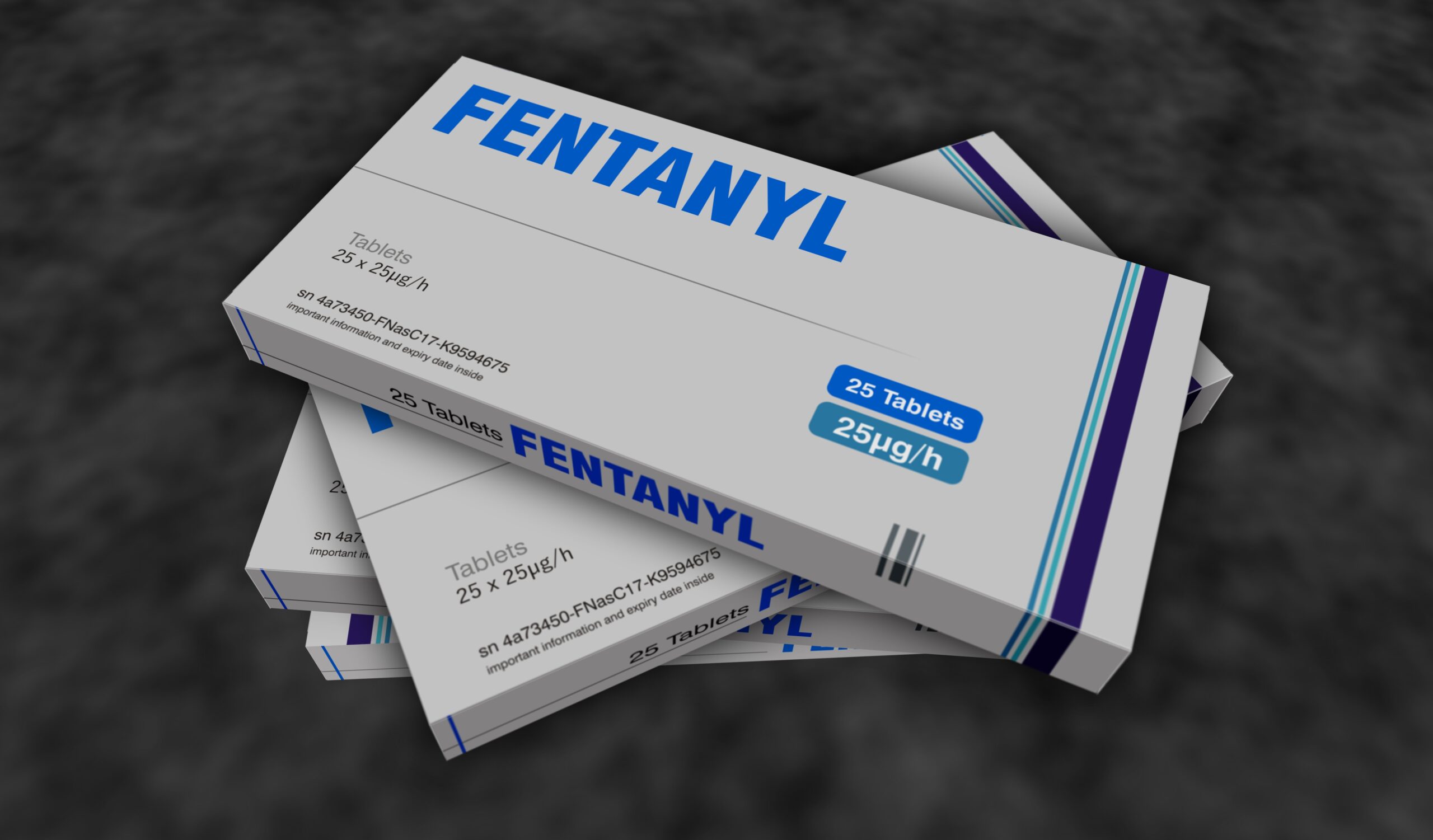
What Can Happen If My Loved One Gets Fentanyl in Their Rehab Facility?
Obviously, opioids like fentanyl are extremely dangerous in any type of environment. But when they get supplied to a patient in a rehab facility, it’s even more dangerous. A lot of patients find themselves in rehab due to becoming dependent on it alone. But the reason Fentanyl is so dangerous is because the rehab environment is supposed to be structured in a way that prevents this from happening. So when it does, it puts everyone in danger through:
- Overdoses. This is the most obvious outcome. Fentanyl is incredibly powerful, so much so that even a small amount can cause an overdose. When someone supplies it to your loved one, they don’t have the physical ability to say no—and that is very dangerous.
- Other health issues. An overdose is the biggest threat when there’s unauthorized fentanyl, but it’s far from the only problem. Using it opens your loved one up to a myriad of other health issues, like brain damage, lung damage, seizures, or heart attacks.
- Relapsing. Unfortunately, using fentanyl sets your loved one back immediately in terms of their treatment. Basically, they have to start all over again. That’s very demoralizing, on top of the other, more physical problems that come with drug use.
Again, the biggest concern when your loved one gets supplied with Fentanyl in their drug rehab is the possibility of an overdose. But once that passes, other questions come up. Like how it got to them in the first place.
How Does Fentanyl Get into a Drug Rehab Facility?
Because it’s a drug, fentanyl is obviously not allowed in a lot of rehab facilities. But like any situation, it can find its way in through a variety of different ways. Usually, it enters the facility through:
- Another patient sneaks it in.
- Staff cut corners, look the other way, or simply aren’t paying close enough attention.
- Visitors bring something they shouldn’t.
- Security procedures are loose or inconsistent.
- High-risk patients aren’t being watched the way they should be.
Rehab facilities aren’t just housing people—they’re responsible for keeping them safe during one of the most vulnerable points in their lives. Ultimately, though, what they’re supposed to do is to treat them for drug addiction. So when they allow Fentanyl in, it puts your loved one—and all the other patients—in incredible danger.
What Options Do I Have If My Loved One is Exposed to Fentanyl While in Rehab?
It feels complicated, but your loved one being supplied with fentanyl while in rehab still comes down to basic personal injury law. Rehab facilities in California have a legal responsibility to provide a safe environment. When they don’t, and someone gets hurt as a result, there are usually legal options on the table like:
- Filing a claim with the facility’s insurance company
- Filing a personal injury lawsuit in court
Which option you decide to go with comes down to the facts—what happened, who supplied the fentanyl, and how hurt your loved one was because of it. One way or the other, though, either claim is about getting “damages” like:
- Emergency treatment, hospital stays, and follow-up care
- Ongoing medical needs, including neurological or respiratory treatment
- Counseling or mental health support after an overdose
- Lost income if your loved one can’t return to work
- Long-term loss of earning ability
- Physical pain and lingering health problems
- Emotional trauma and setbacks in recovery
- A reduced quality of life
- Funeral and wrongful death expenses, if there’s a fatal overdose
Every situation is different, but one constant is timing. In California, you generally have two years from the date of the injury to file a claim. If that deadline passes, you can lose the right to bring a case at all. Acting sooner rather than later also helps preserve records, surveillance footage, incident reports, and witness statements—things that can disappear faster than you’d expect.
Get Help From Maison Law When Your Loved One is Hurt Inside a California Rehab Facility
When you have a loved one inside a drug rehab facility in California, it’s very challenging. Not just for them, but for you and the rest of your family. And when their facility fails to protect them from fentanyl, bad things can happen. Our California drug rehab facility negligence lawyers at Maison Law will be there to guide you through the claims process. Set up a free consultation today and let us help you and your loved one through their legal options.
