
Maison Law can help you through the claims process if you’re injured in a slip and fall accident on government property in California. A slip and fall can happen anywhere, which means that sometimes, the actual state government is responsible. That doesn’t change your rights, but it does change how the process works. Our team can guide you through it all. Set up a free consultation today.
Should I Talk to a Lawyer?
Most people think that government property is somehow different—that because it’s publicly funded, it’s safer, better maintained, or immune from the kinds of things that cause slip-and-fall accidents you see in private buildings. In reality, government properties deal with the same issues as anywhere else—and sometimes, worse. That can quickly lead to you getting hurt, but these situations are about showing why it happened, who was responsible for fixing it, and what rules apply when the property owner is a city, county, state, or federal agency.
That’s when you should think about talking to our team. We can help you by:
- Walking through what likely caused the fall
- Explaining what your rights are under California law
- Getting evidence before it disappears
- Figuring out which government entity (or contractor) is responsible
- Handling deadlines and paperwork that don’t apply in normal injury cases
- Making the process less overwhelming while you focus on healing
At the end of the day, the government has the same basic duty as any other property owner: to keep their property reasonably safe. When they don’t—and you get hurt—there are legal options. With that said, details are important.
What Details Can Help Me After a Slip-and-Fall on Government Property?
Slip and fall accidents happen fast. It’s normal to feel shaken or unsure of what to do next. Your health comes first, but once you’re safe, a few details and pieces of information can really help later—especially when the fall happens on government property:
- The accident report. Most government buildings and public spaces have a way to document injuries. This might be an incident report completed by staff, security, or maintenance. These reports help show when and where the fall happened and that the agency responsible for the property was notified.
- Medical records. Any medical care connected to the fall matters. Emergency room visits, doctor appointments, imaging, prescriptions, and physical therapy records all help connect your injuries to the fall and show how serious the impact has been.
- Photos and video of the scene. If you’re able, take photos or short videos of where you fell and what caused it—such as a wet floor, cracked sidewalk, or broken step. Try to capture lighting conditions and whether warning signs were missing or unclear. Hazards on government property are often fixed quickly.
- Your notes and witness information. Write down what you remember while it’s still fresh: where you were walking, what caused the fall, and how you felt afterward. If anyone saw the fall, getting their name and contact information can be very helpful later.
Collecting this information doesn’t mean you’re committing to a claim. It simply keeps your options open and makes it easier to understand what happened, who may be responsible, and what your next step should be—if you decide to take one.
Where Do Slip-and-Fall Accidents Happen on Government Property in California?
Government property isn’t any different in terms of the risk of a slip-and-fall. After all, buildings are still buildings, no matter who operates them. Public sidewalks are still sidewalks. But you still need to be prepared. Here’s where slip-and-falls usually happen with government property in California:
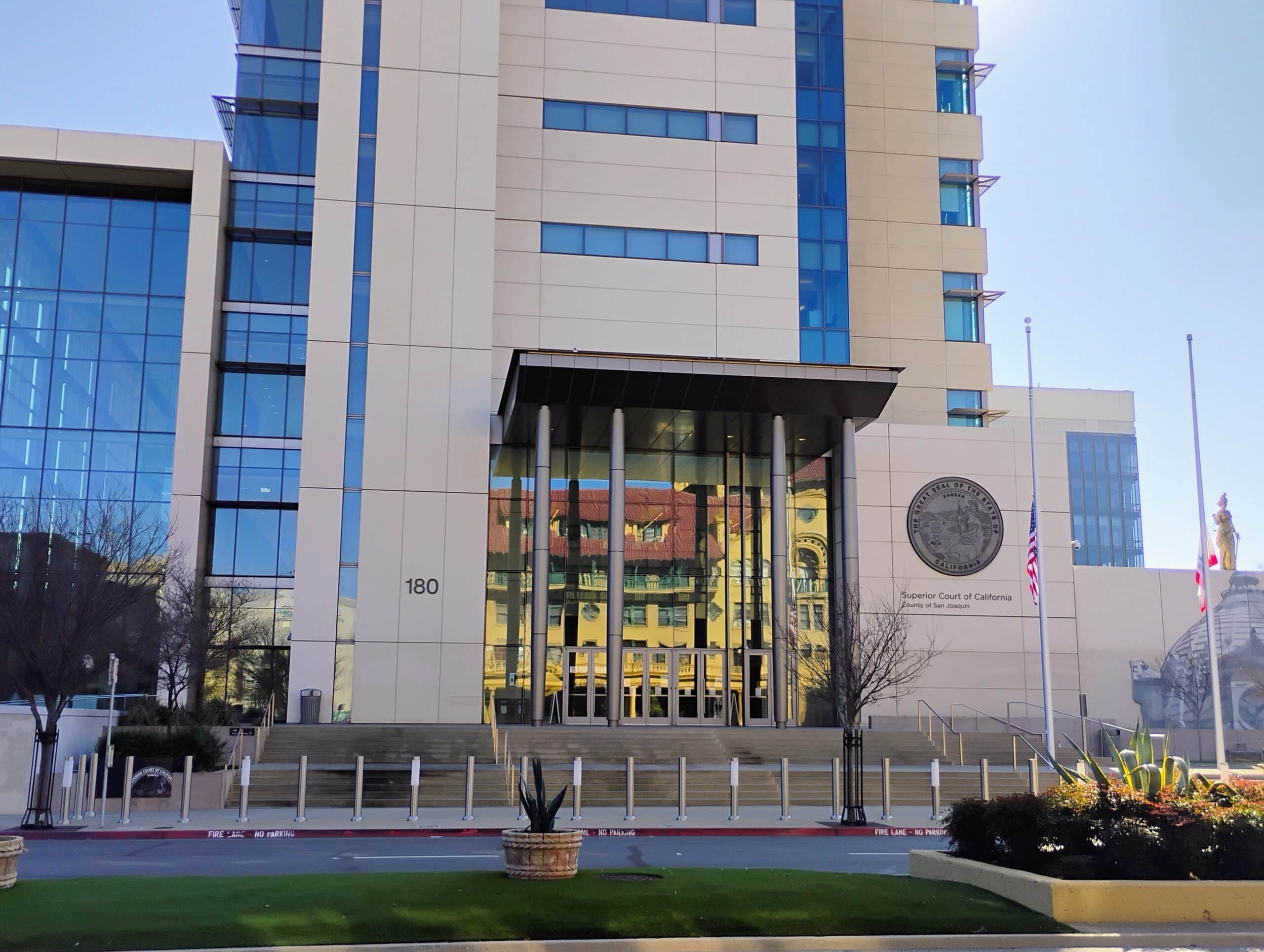
- Courthouses and Government offices. Courthouses, city halls, and administrative buildings see constant daily traffic. Wet lobby floors, worn staircases, loose carpeting, and crowded hallways are frequent issues. People are often distracted, stressed, or rushing—which makes even small hazards more dangerous.
- Public libraries. Libraries are meant to be calm, quiet spaces, but they also have slick floors, older buildings, stairwells, and restrooms that can become hazardous quickly. A recently mopped floor without warning signs or poor lighting between stacks can easily lead to a fall.
- School campuses. Public school campuses aren’t just for students. Parents, visitors, volunteers, and staff all move through these spaces. Uneven walkways, cracked concrete, temporary construction zones, and outdoor staircases are common sources of injuries—especially during events or after hours.
- Public parks and recreation areas. Parks, playgrounds, and recreation facilities are full of potential hazards: uneven paths, tree roots breaking through pavement, worn steps, slippery restrooms, and poorly maintained picnic or seating areas. Falls often happen during casual activities when people aren’t watching their footing closely.
- Sidewalks and paved walkways. Many sidewalks and pedestrian paths throughout California are owned or maintained by cities or counties. Over time, concrete shifts, cracks widen, and surfaces become uneven. These hazards are easy to miss—and often exist long enough that the government should have known about them.
- Transit and parking. Bus terminals, train platforms, parking structures, and public transit walkways are often government-operated. Oil slicks, puddles, broken steps, and poor lighting are common contributors to falls in these areas.
In all of these places, the underlying issue is the same: a known or knowable hazard that wasn’t fixed or clearly warned against in time. This is key in figuring out legal responsibility—but it’s not always straightforward.
Who’s Responsible for a Slip and Fall on Government Property?
This is where things start to feel confusing for most people. Government property isn’t always maintained directly by the government itself. Responsibility can be shared—or shifted—depending on:
- Who controlled the area where the fall happened.
Depending on the circumstances, responsible parties might include:
- A city, county, or state agency that owns the property
- A school district or public university system
- A private maintenance or property management company
- Outside contractors handling cleaning, repairs, or construction
- Security providers responsible for monitoring hazards
- In limited cases, third parties whose actions created the danger
Figuring this out isn’t something most people can do just by looking at a building. It usually takes records, contracts, maintenance logs, and a close look at how long the hazard existed and who had authority to fix it. This becomes a problem when you need to file a claim because the process is sped up when the government is involved.
How Does the Claims Process Differ With a Slip-and-Fall on Government Property?
You don’t lose your right to file an injury claim just because the government owns the property—but the process is very different from a typical slip and fall case. In California, claims against government agencies must follow strict procedures and deadlines under the California Tort Claims Act (CTCA). Under the CTCA, you have to:
- File a formal notice of claim within six months of the injury. Miss that deadline, and the claim may be barred entirely—even if your injuries are serious and the fall was clearly preventable.
- Your damages have to be over $10,000.
- Then, the government has 45 days to investigate and respond to your claim.
In this situation especially, details are up in the air. What that does is take time to untangle. That’s one of the biggest reasons people get stuck later. They focus on getting better, assume they have time, and don’t realize the clock is already running.
With all that said, once the proper steps are followed, your claim can help you recover things like:
- Current and future medical expenses
- Current and future lost income
- Repair/replacement costs for your clothing, shoes, phone, glasses, etc.
- Pain and suffering
- Emotional distress
- Reduced quality of life
A slip and fall on government property can feel frustrating in a very specific way. You didn’t do anything unusual. You were just walking where the public is expected to walk. When injuries linger or bills start stacking up, it helps to talk with someone who understands how these claims actually work—and how easy it is to lose rights simply by waiting too long.
Reach Out to Maison Law After a Slip-and-Fall on Government Property in California
At Maison Law, we help people make sense of government property injury claims across California. Our goal is to make the process clearer, calmer, and easier to manage—so you can focus on getting back on your feet.
If you were hurt on government property and want to understand what options you have, we’re always willing to talk it through, starting with a free consultation.
