 Maison Law can guide you through the claims process when you’re injured in a bicycle accident in Hanford. There’s a lot of reasons to enjoy biking here in Hanford, from the great weather to all the different sights and sounds around town. Unfortunately, what isn’t great is being hurt in an accident. Our team can make sure you understand your options and will be there to help you through them. Set up a free consultation today.
Does It Make Sense to Get a Lawyer?
It might not seem like it at first, but a bicycle accident is rarely a minor thing. All it takes for serious injuries is a small mistake by a driver or a slight defect in the road. All of a sudden, you’re left facing a lot of questions. That’s when it makes sense to talk to someone who knows how the legal process works.
At Maison Law, our Hanford bicycle accident team can:
- Explain your rights and walk you through what to expect
- Look into what happened and figure out who might be responsible
- Deal with the insurance companies so you don’t have to go back and forth with them yourself.
- Gather the information and evidence you need
After a bike accident, you already have enough on your plate. You shouldn’t have to spend your recovery chasing down paperwork or arguing with an insurance company. Focus on getting better. We’ll help you handle the legal side of things.
Looking at the Different Bike Lanes in Hanford
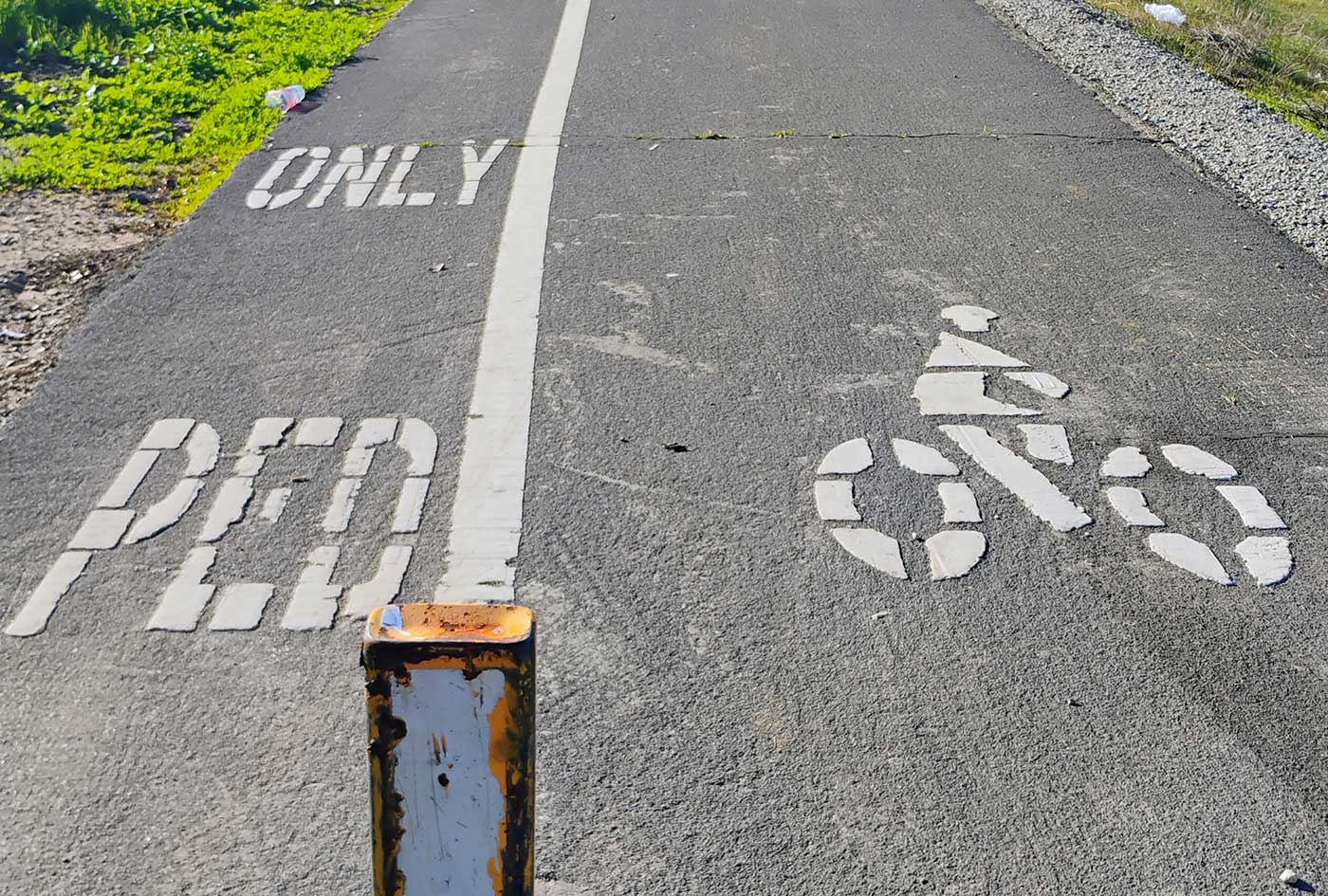
One of the best parts about riding your bike in Hanford is that there’s always somewhere to go and multiple ways to get there. But everyone recognizes the risks that come with biking around so much traffic. The city’s Active Transportation Plan lays out where you’ll find these around town, which are currently made up of around six miles worth of Class II Bike Lanes and around 25 miles of Class III Bike Routes.
- Class II Bike Lanes are the ones you see with the double white stripes that give you a designated place to ride, but you’re still right next to traffic. There’s a popular one that runs along Hanford Armona Road, and another that runs along Centennial Avenue.
- Class III Bike Routes are the ones where you share the road with cars rather than giving you a separate lane. Signs and pavement markings may help you pinpoint the street as a bike route, but you still have to watch for traffic, intersections, and drivers who don’t give you enough room. The Class III Bike Route that runs from Fargo Avenue to Ninth Street is found in the northern section of Hanford.
Obviously, different types of bike lanes bring different risks. While a painted Class II bike lane offers less protection than a separated buffer you’ll find in other cities, accidents can still happen. When it does, location is important, but it’s not the only information you’re going to need.
What Information Can Help Me After a Bicycle Accident?
A bike accident can leave you shaken up, in pain, and unsure what to do next. And while gathering evidence might not be the first thing on your mind, it can make a difference when it comes time to file a claim. Just remember, your health comes first. Everything else can wait.
- Call 911. Report the accident and ask for medical help and police assistance. If you’re seriously hurt, don’t try to move around or collect evidence. Let the professionals take care of you first.
If you’re able to do so safely, there are a few things worth gathering at the scene:
- Photos/videos of your bike, the vehicle involved, your injuries, road conditions, traffic signs, and anything else that might help show what happened.
- Names and contact information of anyone who saw the accident. Also, take note of nearby businesses or traffic cameras that might have recorded what happened.
- The driver’s name, contact information, license plate number, and insurance details.
Of course, none of this is worth putting yourself at risk. If you need medical attention, get it. Let paramedics check you out and take you to the hospital if necessary. You can deal with the rest once you’re safe.
As you start recovering, there are a few other things you’ll want to keep track of. These can help show how badly you were hurt and how the accident has affected your life:
- Medical records and bills showing your injuries, the treatment you’ve received, and any ongoing care you need.
- The police report that documented the accident and took down key details.
- Notes about your recovery, including how much pain you’re in, what you’re having trouble doing, and how your injuries are affecting your daily life.
- Pay stubs and work schedules showing how much time you’ve missed from work and any income you’ve lost because of your injuries.
- Video footage from nearby businesses, traffic cameras, or other sources that may have actually recorded the accident. We can help track this down, but don’t wait too long. Some recordings are erased or overwritten before you have a chance to get them.
Remember, while this information is important, it’s not as important as your health and safety. Plus, you might be injured to the point of not even being able to do anything except being treated by the EMTs. That’s where our team can fill in any gaps in information and evidence.
What Causes Bicycle Accidents in Hanford?
However, an increase in cycling hasn’t been met with a decrease in motor vehicles who now have to share the road with the increasing number of cyclists. This means the inevitable bike v car accidents, and unfortunately, when that happens, it’s usually the cyclist who comes out on the short end.
Hanford cyclists face many dangers when on the roads around the city. Some of the most common of these are:
- Motorist Tunnel Vision. Cyclists have a low profile compared to motor vehicles, and most drivers are not conditioned to look for bicycles when they are driving. This causes significant problems for cyclists and is a factor in just about every motor vehicle-bicycle crash.
- Right Hook. A right hook happens when a cyclist is riding along the far-right side of the right lane, and a motor vehicle takes a right turn into the path of the cyclist. This also happens when a cyclist is riding in a bike lane, and the car enters the bike lane and turns right without yielding to the right-of-way to the cyclist.
- Left Turns. A left turn crash can be deadly to a cyclist and happens when a car turns left into the path of a cyclist that has the right-of-way. Most of the time, the driver simply doesn’t see the cyclist.
- Dooring. A dooring accident happens when an occupant of a parked or stopped motor vehicle opens their door right in the path of a cyclist. Typically, they happen when bikes travel alongside a row or parked cars, or when a vehicle is stopped at a curb and is loading or unloading.
- Blind Spots. Blind spots on motor vehicles are especially dangerous to cyclists due to the low profile of a bicycle and the tunnel vision of most drivers.
- Bike Lanes. In California, if a cyclist can’t keep up with the flow of traffic, they are required to ride in a bike lane if it exists. Bike lanes are created to protect the cyclist, however, they have their problems. Cars illegally parked in bike lanes, and sometimes they travel along rows of parked cars. Also, vehicles often travel illegally in bike lanes making it dangerous for the cyclist.
- Careless driving. Negligent driving around bicyclists can result in fatal bicycle accidents.
A car outweighs a bike by about 20 times, and when a car hits a bike, the cyclist is usually thrown from the bike thus causing further injury to the cyclist. At Maison Law, we are familiar with all sorts of bicycle accident injuries, and some of the most common of these are:
- Traumatic Brain Injuries
- Severe Concussions
- Wrist Fractures
- Broken/Displaced Ribs
- Broke Collarbones
- Broken Arms/Legs
- Chest Compressions
- Internal Injuries/Bleeding
- Severe Road Rash
These causes and injuries are serious no matter what, but because they’re so closely associated with bike accidents, it makes the claims process very important to your recovery.
What Damages Can an Injured Hanford Cyclist Seek?
At Maison Law, we know that the law allows a in injured cyclist to seek all damages related to the accident so long as it can be proven that they came from the negligence of the at-fault driver. Most damages fall under economic and non-economic damages. Economic damages are those that can be tallyed up, like:
- Current and future medical expenses
- Current lost income or loss of future earnings
- Repair/replacement costs for your bike or gear
Non-economic damages are those that aren’t directly connected to a verifiable financial loss but are still compensable injuries to the victim. These are losses such as:
- Pain and suffering
- Emotional distress
- Future disability
- Permanent disfigurement
At Maison Law, we know which losses can be sought according to the circumstances of the case and the injuries to the victim.
Contact a Personal Injury Lawyer.
After any accident involving a serious injury in the Central Valley, contact attorney Martin Gasparian for a free consultation and case evaluation. Mr. Gasparian takes a hands-on approach to every case. He believes that every client should work directly with their lawyer, get honest advice and personalized attention to detail their case deserves.
Contact us today for a free consultation.
